Opens in a new tab
Software Training Institute in Chennai with 100% Placements – SLA Institute

Data Science Full Stack Course

4.50
(5236)
DURATION
Real-Time Location Services
4 Months
EMI
0% Interest
Mode
Rank-Based Percentile Gui Calculator using Tkinter
Live Online / Offline

Softlogic is one of the Top Training institutes for Data Science FullStack. Learn how to use Data Science FullStack, from beginner basics to advanced techniques. Our Data Science Full Stack Course Syllabus covers Python programming, statistics, data wrangling, data visualization, machine learning, deep learning, big data tools, cloud deployment, and real-world project implementation. We offer a Data Science FullStack Course with Placement Assistance, Mock interviews, Resume building, and certification.
Enroll Now
Download Syllabus
0%

AI Powered Syllabus

0+

Realtime Projects

0+

Students Placed in Sept

0+

Certificates

Check Your Eligibilty for IT Training

Ready to start your tech career? Whether you have recently graduated and want to begin your IT career, or want to upskill for your next phase, our Eligibility Assessment Form makes the process easy to begin. For this Data Science Full Stack Course Developer Course, we will match your skills and goals to the best training structure for you. Just fill in the form below for an easy start on your course. Take your first step today!
What We'll Need From You?
Personal & Contact Details
Name and phone number for direct interview updates
Academic Background
Age category, educational qualification, and graduation year.
Technical Experience
Prior programming knowledge and relevant IT certification details.
KNOW MORE ABOUT COURSE +91 86818 84318

IT Training ELIGIBILITY TEST

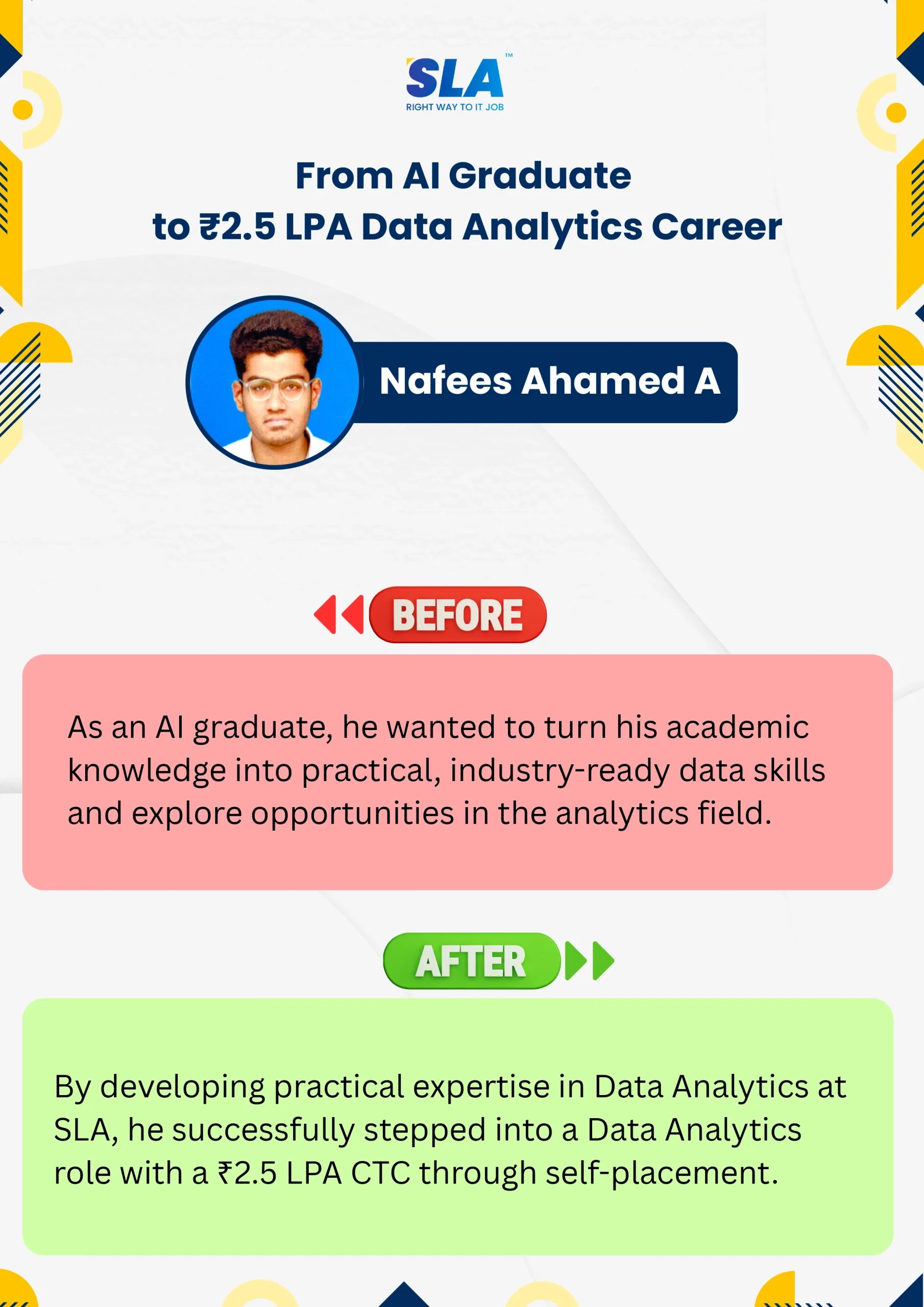
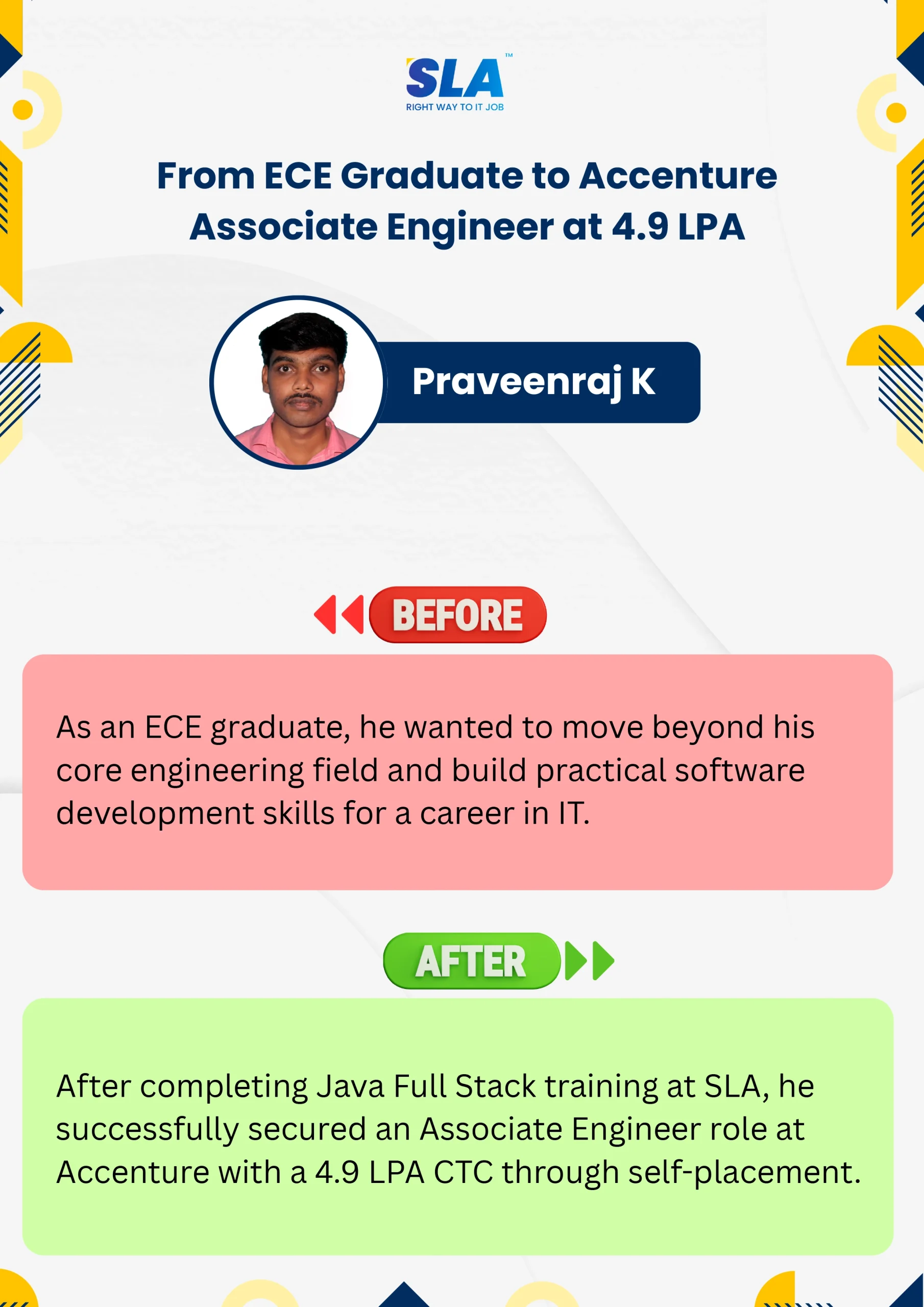
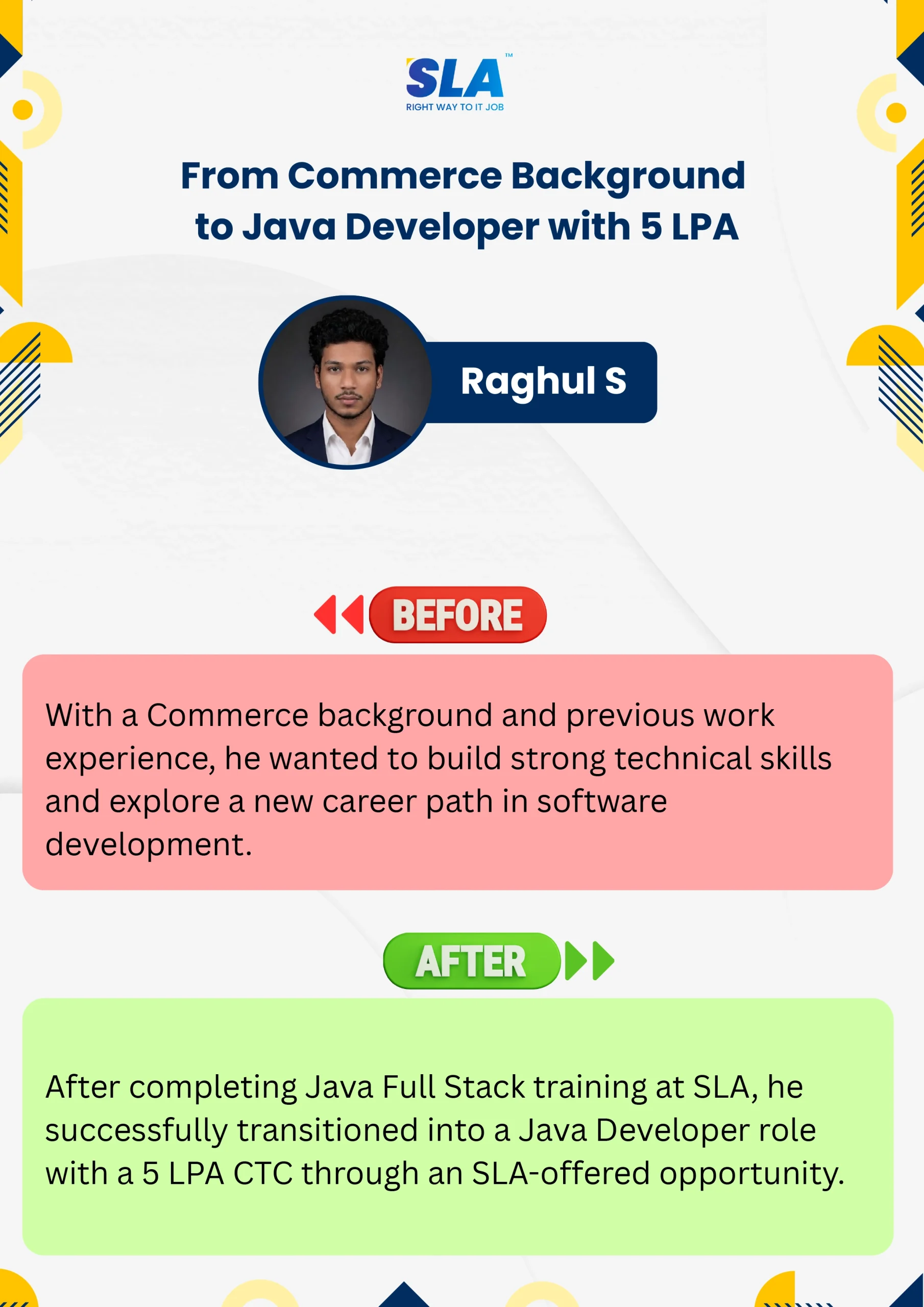
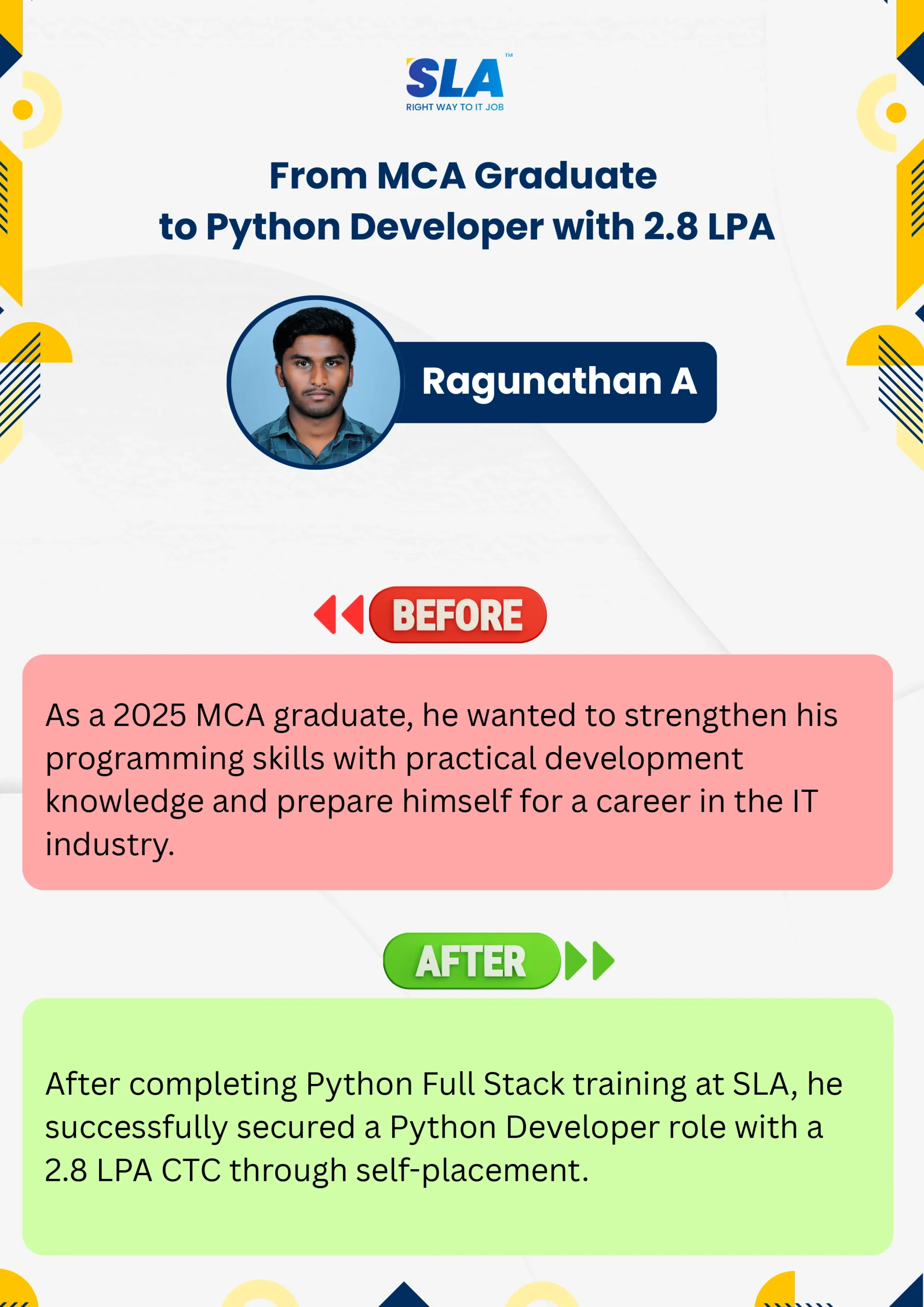
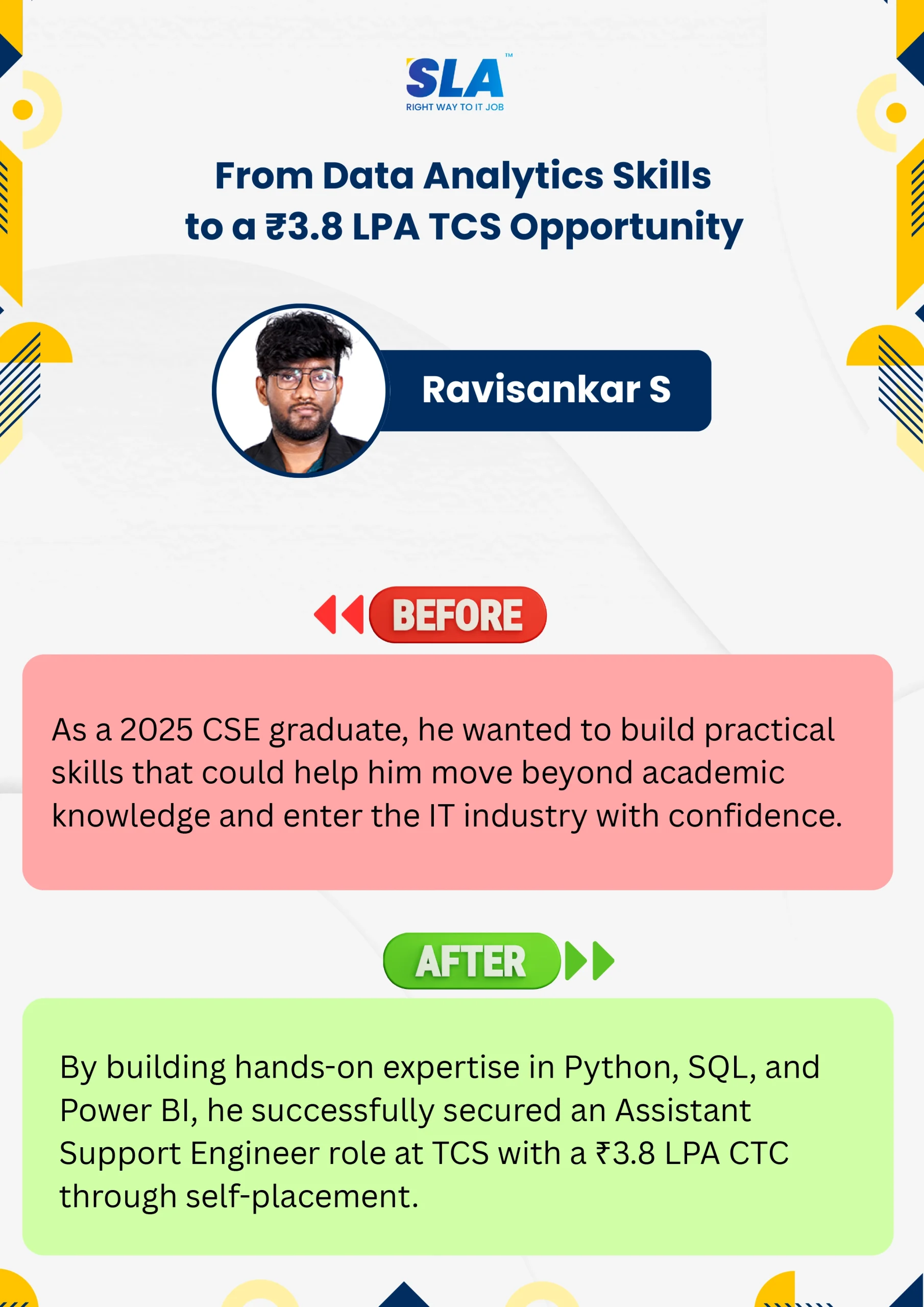
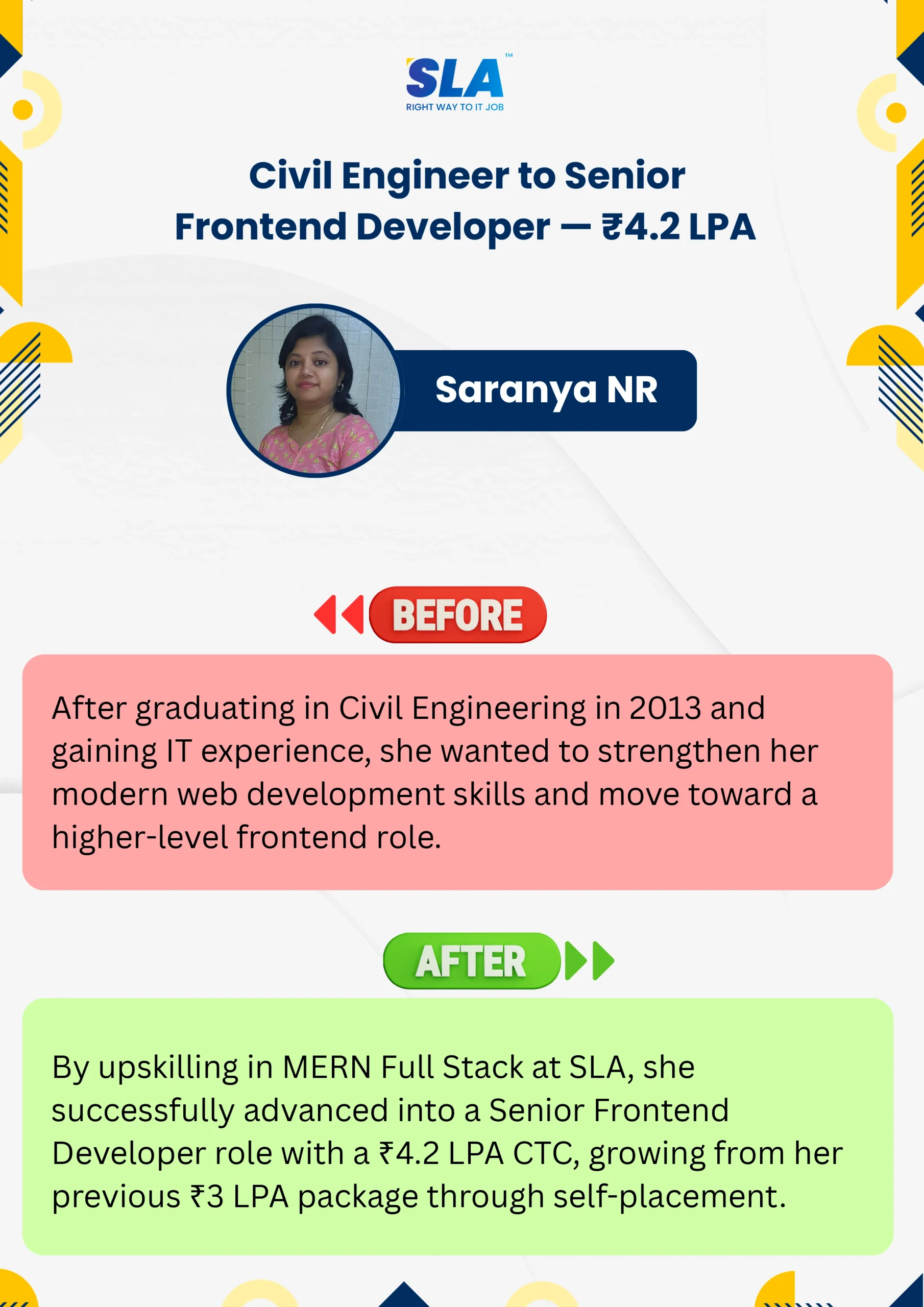
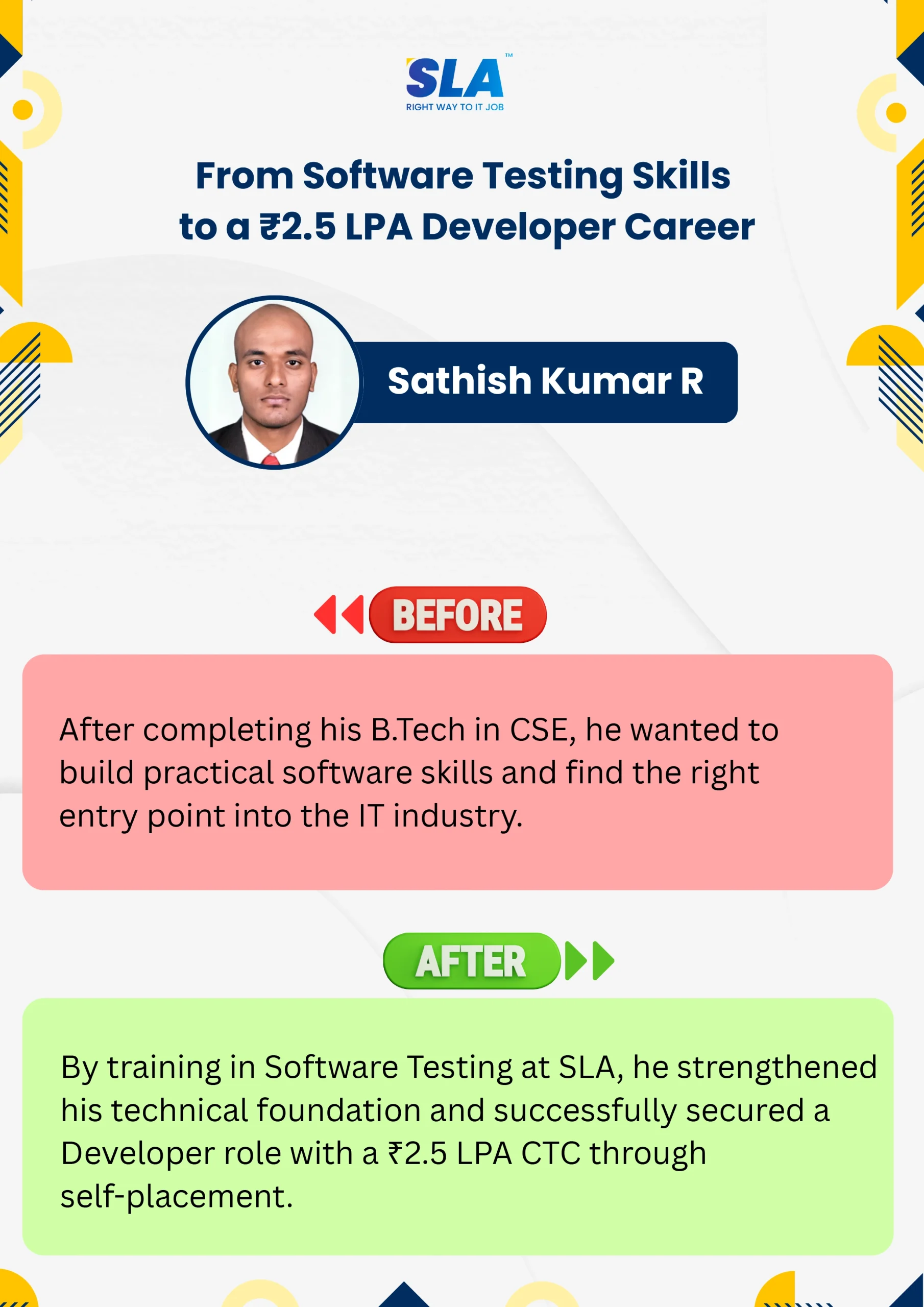
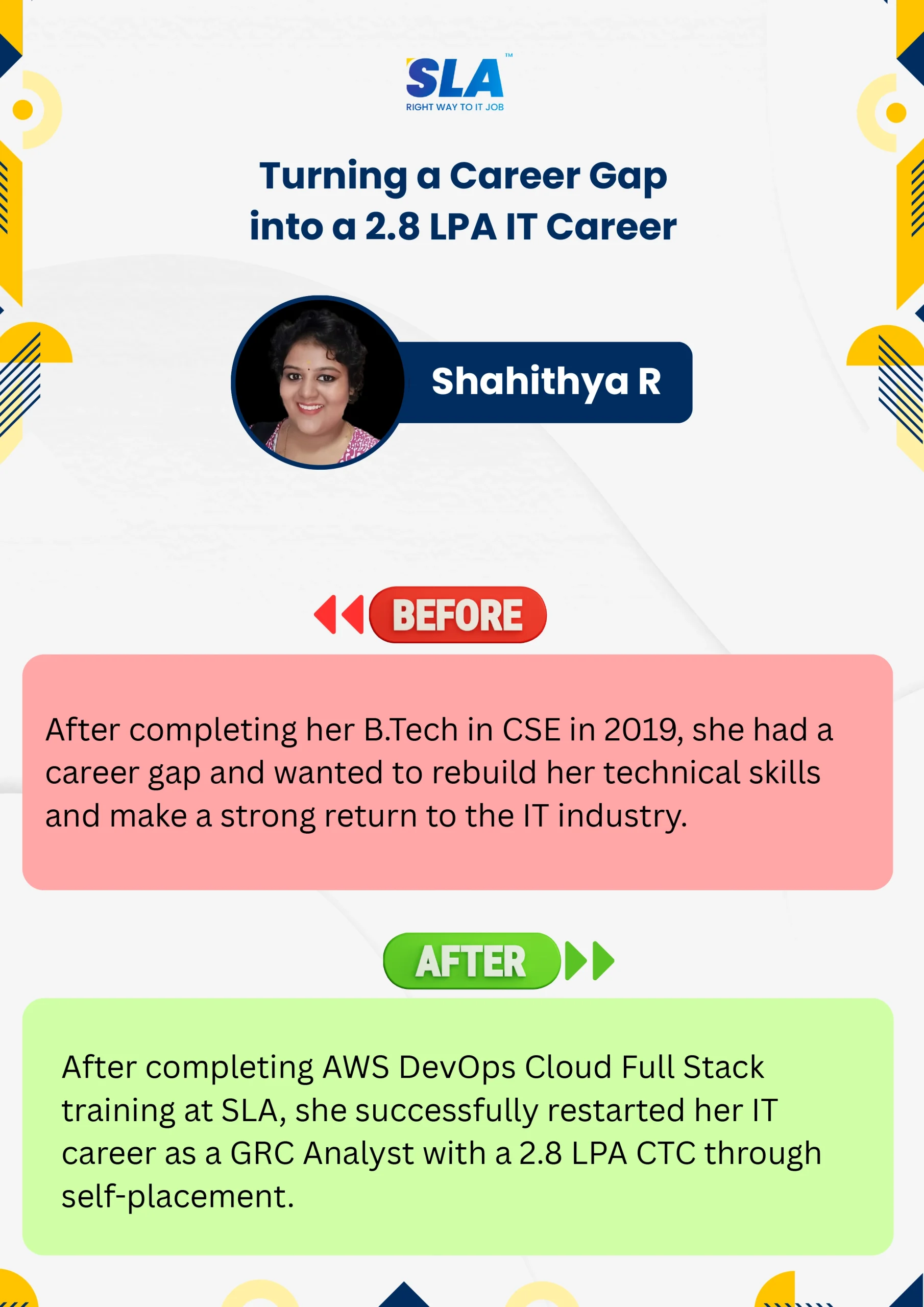
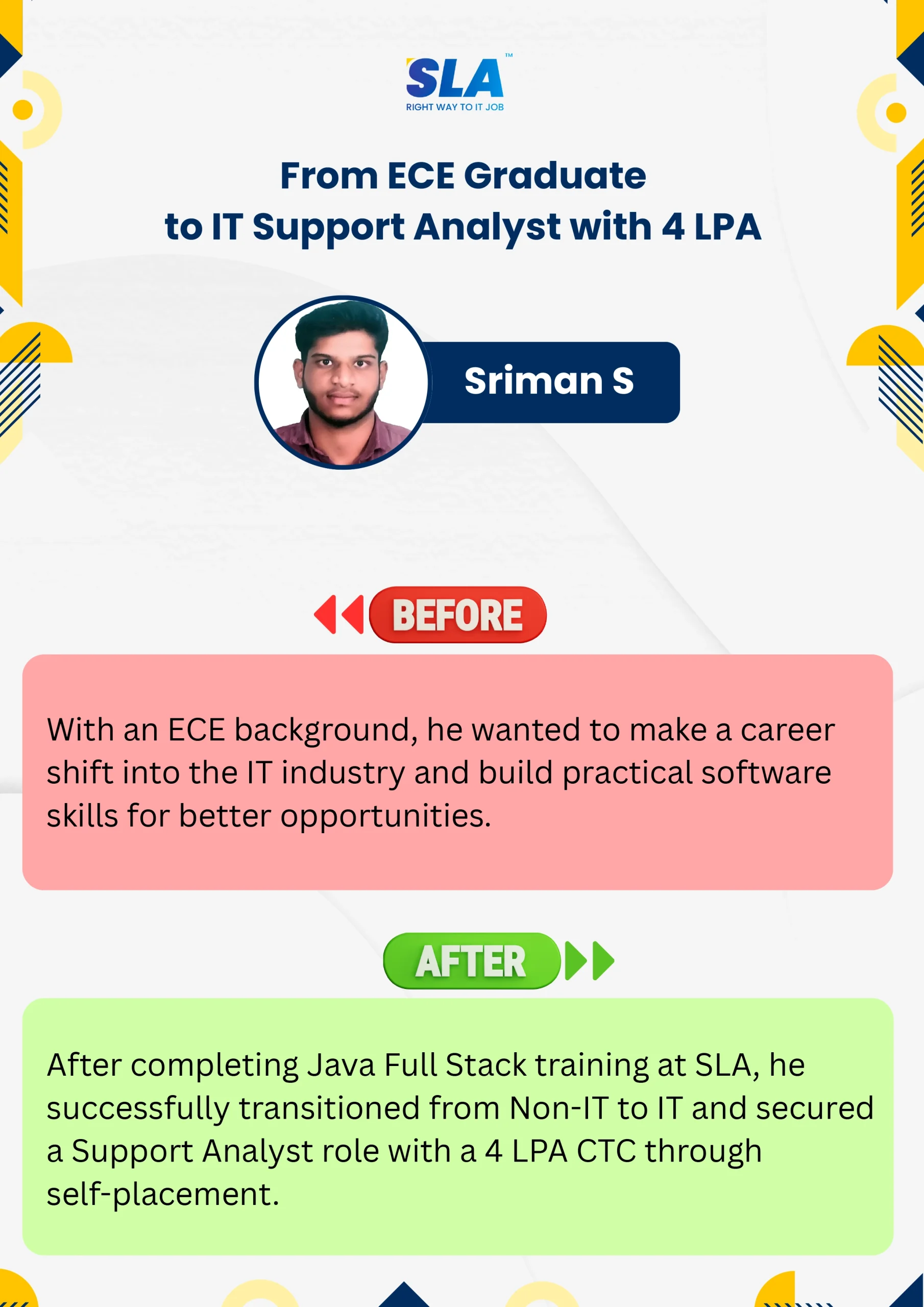
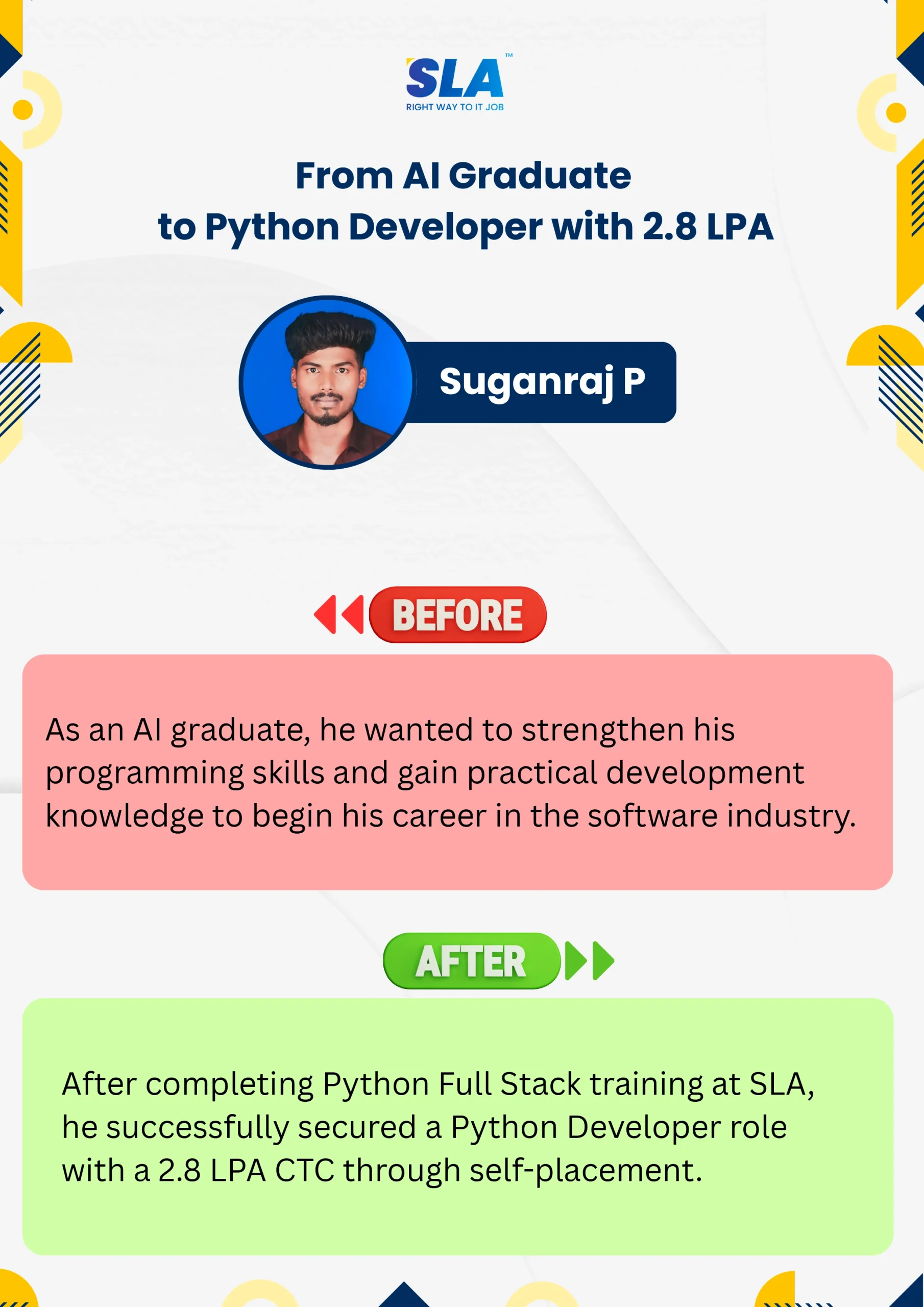
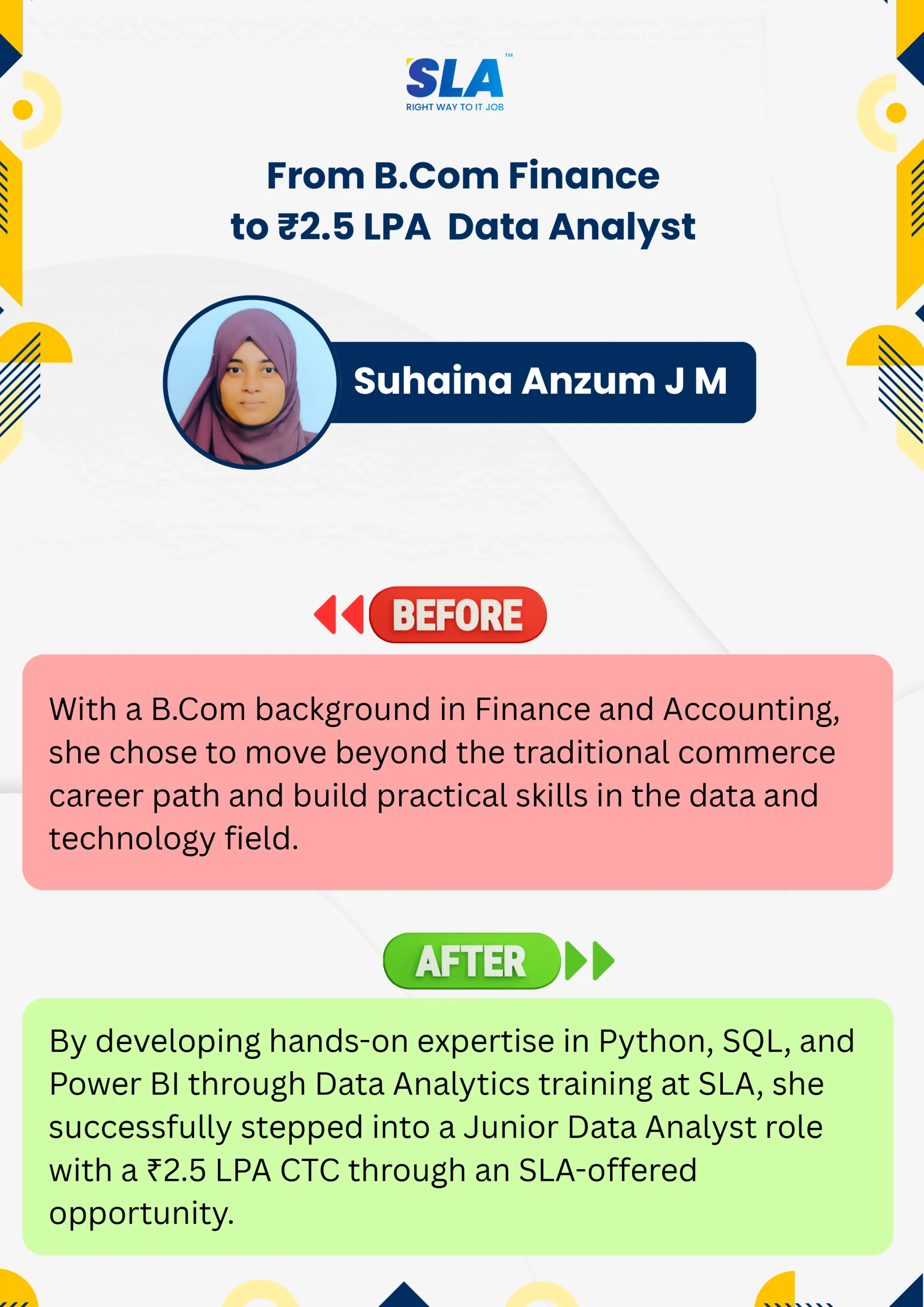
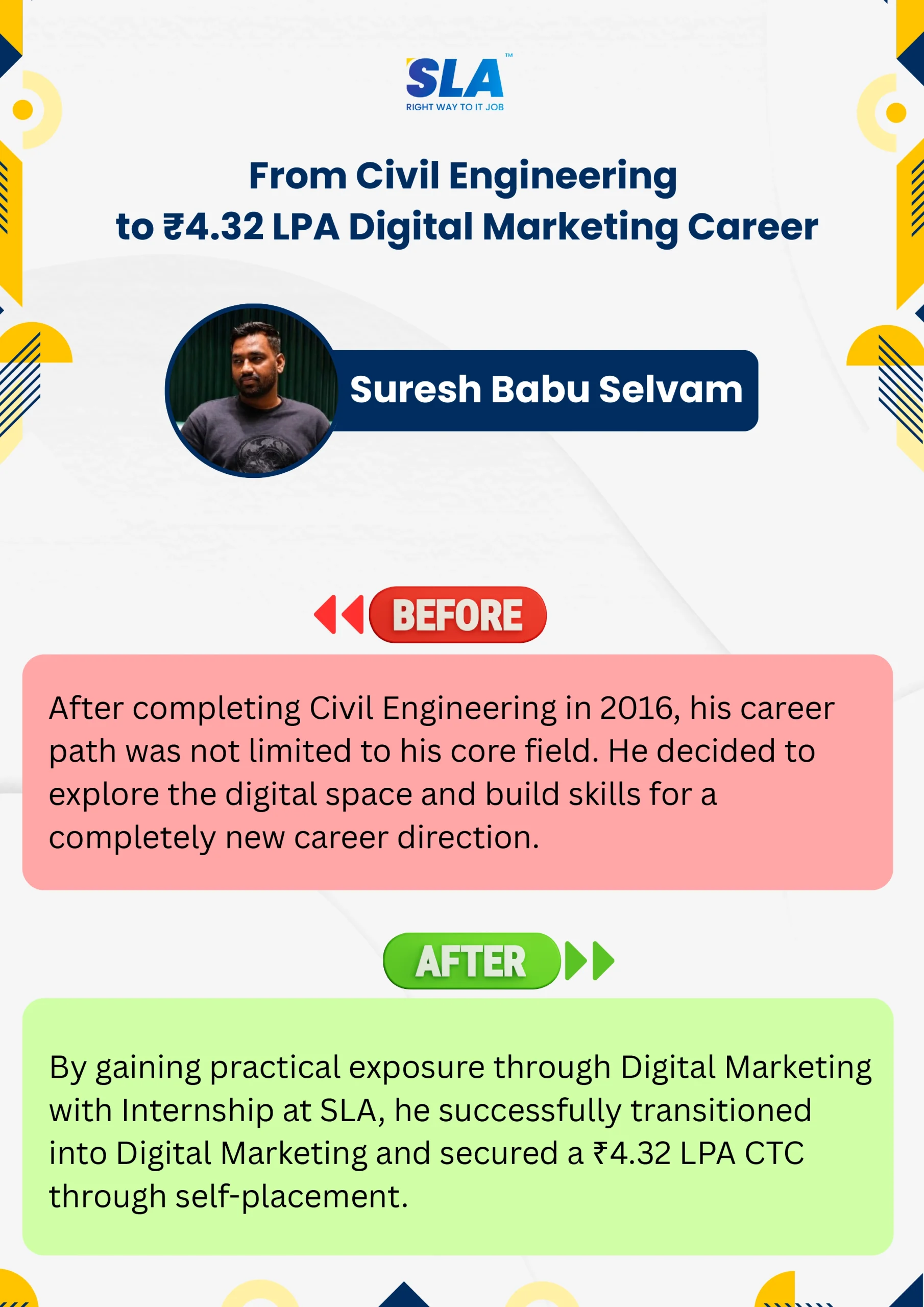
Life Changing Stories

Explore Our Students' Inspiring Leap Stories!

See More Success Stories

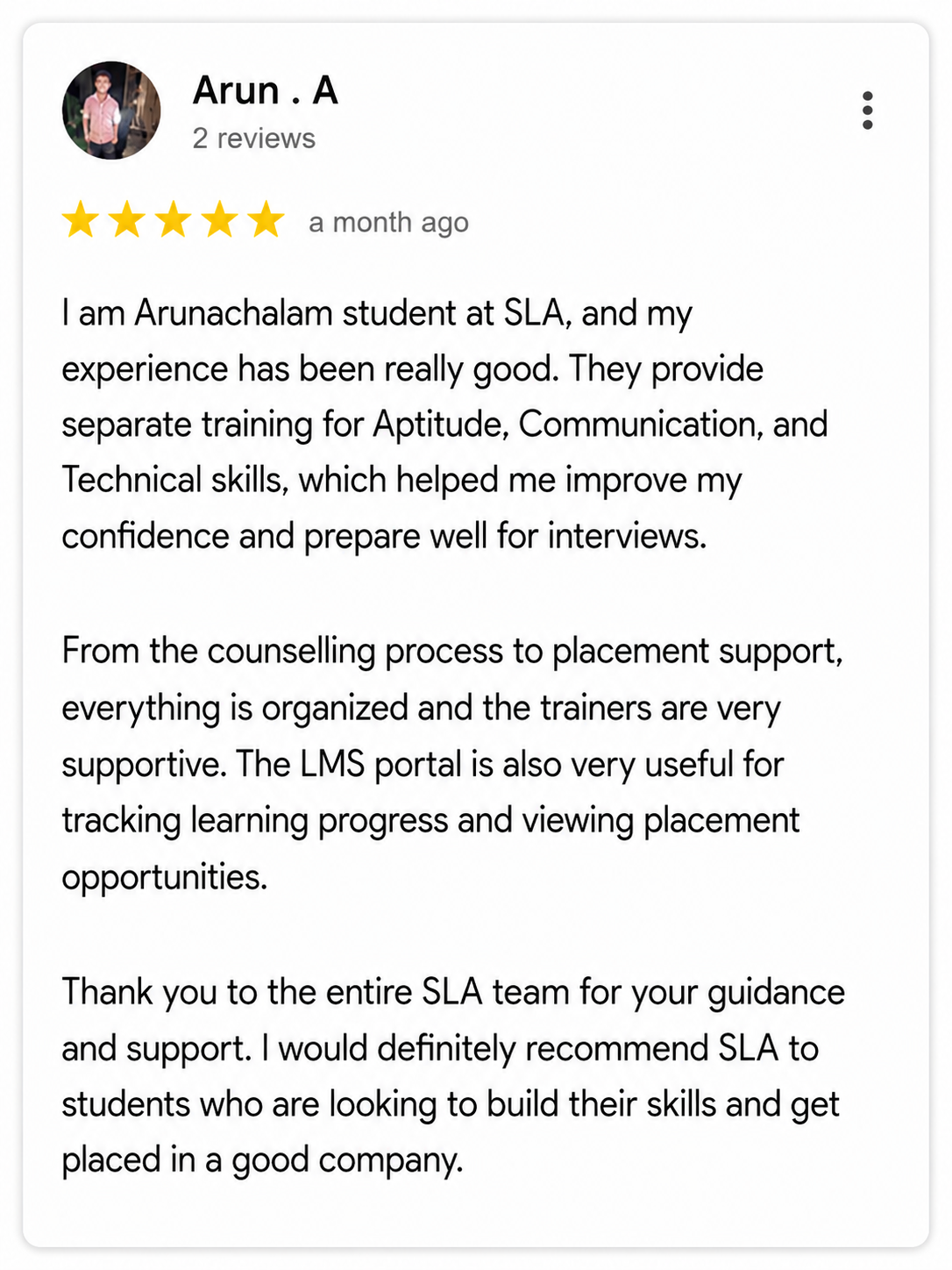
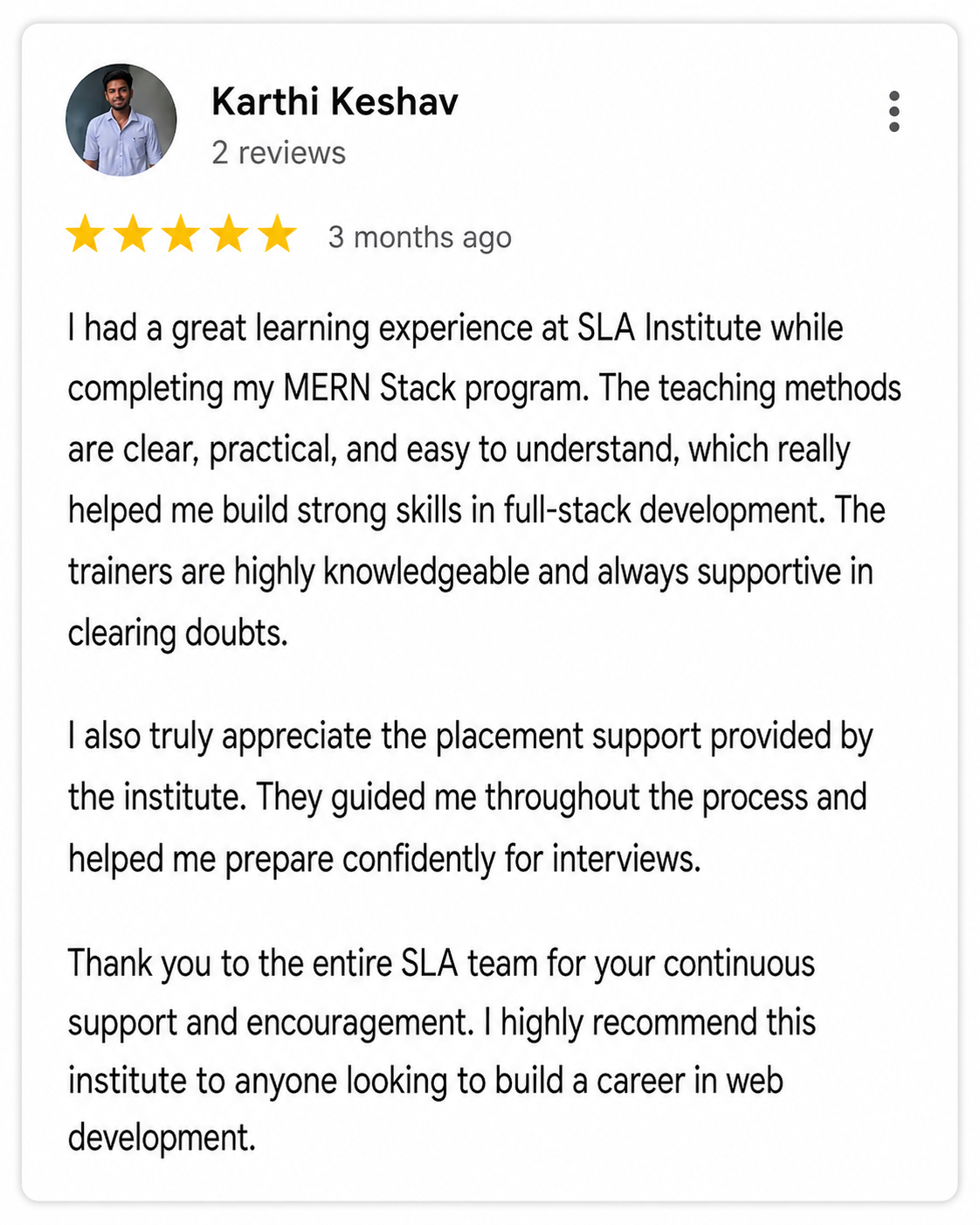
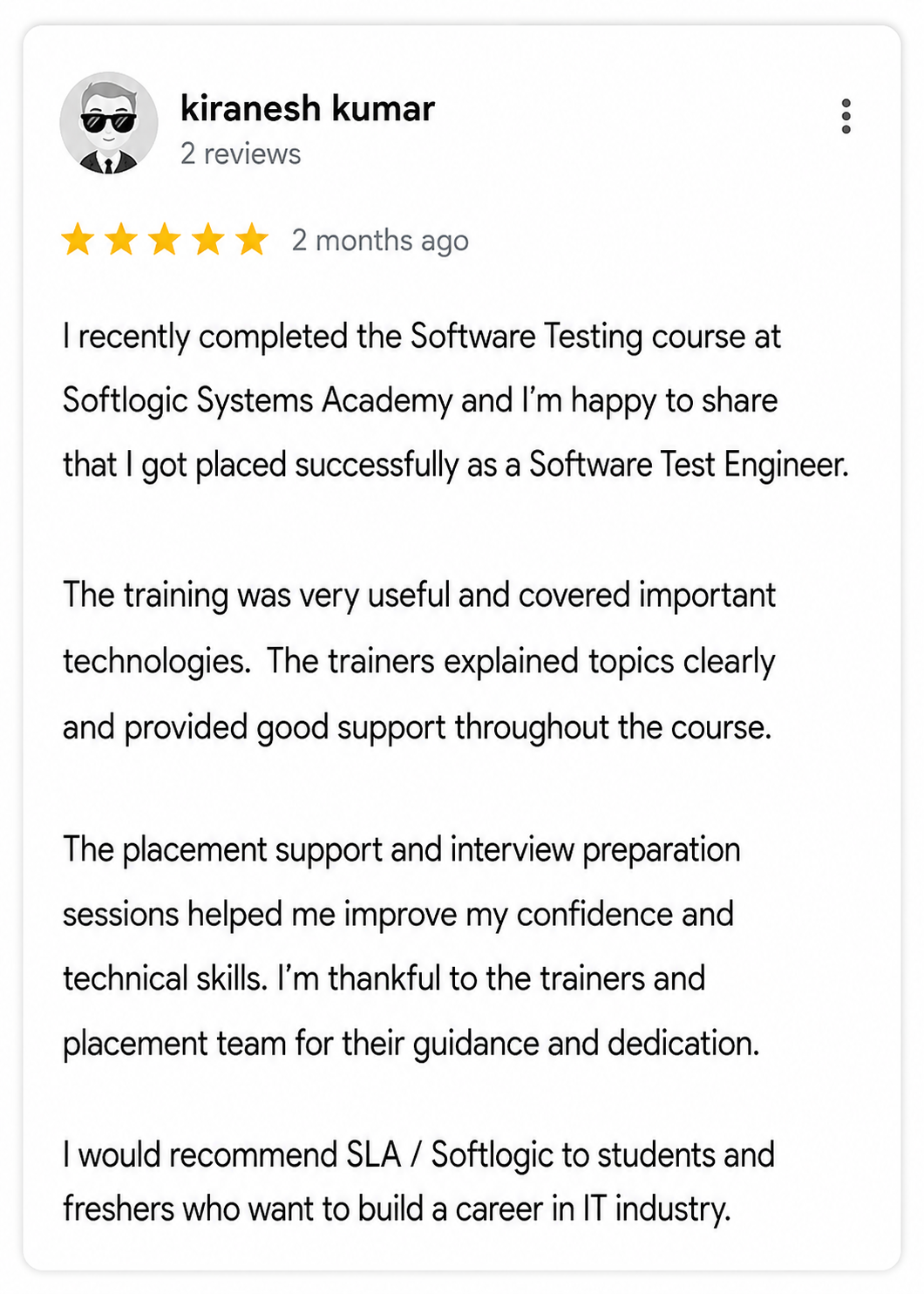
Check our Google Reviews

3D Coverflow Carousel
Review Image
Click here to view all Reviews

Syllabus of Data Science Full Stack Course

Download Syllabus
  • Python Introduction & history
  • Color coding schemes
  • Salient features & flavors
  • Application types
  • Language components (variables, literals, operators, keywords…)
  • String handling management
    1. String operations – indexing, slicing, ranging
    2. String methods – concatenation, repetition, formatting
    3. Supporting functions
  • Native data types
    1. List
    2. Tuple
    3. Set
    4. Dictionary
  • Decision making statements
    1. If
    2. If…else
    3. If…elif…else
  • Looping statements
    1. For loop
    2. While loop
  • Function types
    1. Built-in functions
    2. Math functions
    3. User defined functions
    4. Recursive functions
    5. Lambda functions
  • OOPs
    1. Classes and objects
    2. __init__ constructor
    3. Self-keyword
    4. Data abstraction
    5. Data encapsulation
    6. Polymorphism
    7. Inheritance
  • Exception handling
    1. Error vs exception
    2. Types of error
    3. User defined exception handling
    4. Exception handler components
    5. Try block, except block, finally block
  • File handling
    1. How to create a txt file using python
    2. File access modes
    3. Reading and writing data to a txt file
    4. Data operations
  • Working with PANDAS & NUMPY
    1. PANDAS – data analysis intro
    2. PANDAS – data structures
    3. Series creation types
    4. Data Frame creation types
    5. Accessing data from Series and DataFrame
    6. Data merging
  • Working with PANDAS & NUMPY
    1. Data mapping
    2. Finding duplicates
    3. Removing duplicates
    4. Describing data
    5. Finding null values
    6. Group by function
    7. Sort values
    8. Statistical functions
    9. Reading and writing data from CSV
    10. Data operations on CSV file
    11. Basic visualizations
    12. NUMPY array processing intro
    13. Types of ndarray
  • Numpy attributes
    1. ndim
    2. shape
    3. size
    4. type
  • Shape manipulations
    1. Ravel
    2. Reshape
    3. Resize
    4. Hsplit
    5. Vstack
  • Numpy additional functions
    1. Tile
    2. Eye
    3. Zeros
    4. Ones
    5. Diag
    6. arange
    7. New axis addition
    8. Random number generation
  • Data science terminologies
  • Exploratory data analysis intro
  • Types of machine learning algorithms
  • Classification and regression intro
  • Prediction and analysis techniques to be used in ML
  • MATPLOTLIB – data visualization
    1. Histogram
    2. Pdf
    3. Adding axes
    4. Adding grid
    5. Adding label
    6. Adding ticks
    7. Setting limits
    8. Adding legend
  • MATPLOTLIB plotting
    1. Bar chart
    2. Pie chart
    3. Heat map
    4. Box plot
    5. Scatter plot
    6. 3d plot
  • SEABORN – advanced color palette visualization
    1. Bar chart
    2. Pie chart
    3. Dist plot
    4. Pair plot
    5. Reg plot
    6. Count plot
    7. Swarmplot
    8. Heat map
    9. Scatter plot
    10. Lm plot
  • Machine learning algorithm types
    1. Supervised learning
    2. Unsupervised learning
    3. Ensemble learning technique
  • Working flow of dataset
    1. Loading necessary modules
    2. Loading dataset
    3. Feature scaling
    4. Feature extraction
    5. Data standardization
    6. Data normalization
    7. Data manifesting
    8. Model creation
    9. Fitting data models
    10. Model prediction
  • ML algorithms with live demo and mathematical intuition
    1. Linear regression
    2. Logistic regression
    3. Naïve bayes classifier
    4. KNN (K nearest neighbor)
    5. KMC (K means clustering)
    6. Support vector machines
    7. Principal component analysis
    8. Decision tree
    9. Random forest
    10. XGBoost
  • Neural networks introduction
  • Brain activation functions and layer components
  • Neural network terminologies of ANN, CNN, RNN
    1. Models
    2. Initializers
    3. Optimizers
    4. Layers
    5. Activation functions
    6. Loss functions
    7. Metrics
    8. Model compilations
    9. Model evaluation
    10. Max pooling layers
    11. Edge filters
    12. Back propagations
    13. Early stopping
    14. Epoch
  • Datasets to be used for MLP,ANN, CNN,RNN
    1. Boston house prediction
    2. CIFAR10
    3. CIFAR100
    4. MNIST
    5. FASHION MNIST
    6. IMDB Movie review analysis
  • NLP (Natural Language Processing)
    1. NLTK
    2. NLTK
    3. SPACY
  • COMPUTER VISION
    1. Digital Image Processing using CV2 library
    2. LIVE PROJECTS

Objectives of Data Science Full Stack Course

  • Learn Core Python for a strong programming foundation.
  • Understand Machine Learning algorithms and their uses.
  • Explore Deep Learning and its practical applications.
  • Discover Artificial Intelligence and its real-world uses.
  • Get hands-on with essential data science tools like Numpy, Pandas, Matplotlib, and Seaborn.
  • Gain practical experience through real-world projects.
Click Here to Get Started

Highlights of Data Science Full Stack Course?

The Data Science Full Stack Developer course teaches you all the skills you need for a career in data science. You’ll learn Core Python, Machine Learning, Deep Learning, and Artificial Intelligence, as well as the tools and technologies used in the field. Through hands-on projects, you’ll gain the experience needed for entry-level roles in data science. The course is designed to spark your interest in data science and prepare you for success in this fast-growing field.

There are several compelling reasons to learn Data Science Full Stack Developer:

  • Abundant Career Options: Data Science Full Stack Developers are highly sought-after, with diverse job opportunities in various sectors.
  • Adaptable Skills: These skills can be applied across different areas of data science, such as analysis, machine learning, and big data handling.
  • Lucrative Salaries: Data Science Full Stack Developers often earn competitive pay due to their specialized expertise and high demand.
  • Intellectually Stimulating: Developers tackle complex challenges using data, making their work engaging and innovative.
  • Meaningful Impact: By analyzing data, developers contribute significantly to business decisions and strategies.
  • Promising Future: With the growing reliance on data-driven insights, the demand for these developers is expected to continue rising, providing ample career growth opportunities.

The Data Science Full Stack Developer course is open to all freshers interested in Data Science, without any prerequisites. It’s suitable for recent graduates or professionals looking for a career change. The course provides the essential skills and knowledge needed to succeed in Data Science, regardless of your background.

The fees for our Data Science Full Stack Developer Job Seeker Program vary based on the program level (basic, intermediate, or advanced) and the course format (online or in-person). On average, the fees for the Data Science Full Stack Developer Job Seeker Program range from 50,000 INR to 65,000 INR for a duration of 4 months, which includes international certification. For accurate and current information regarding fees, duration, and certification, please reach out to our premier Data Science Full Stack Developer Training Institute directly.

Some job roles related to Data Science Developer include:

  • Data Scientist: Analyzing data to find insights.
  • Data Engineer: Building and managing data pipelines.
  • Machine Learning Engineer: Developing machine learning models.
  • Big Data Developer: Working with large-scale data processing.
  • Business Intelligence Analyst: Analyzing data for business decisions.
  • Data Analyst: Examining data for trends and reports.
  • Data Architect: Designing data management solutions.
  • Full Stack Developer: Creating front-end and back-end for data applications.

As per Ambition Box, a Data Scientist fresher with less than three years of experience earns an average salary ranging from ₹2.5 Lakhs to ₹5 Lakhs per year. A mid-career Data Scientist with 4-9 years of experience earns an average salary of ₹9 Lakhs per year, while an experienced Data Scientist with 10-20 years of experience earns an average salary of ₹15 Lakhs per year.

Data Science Full Stack Development has various real-world applications, including:

  • Finance: Using real-time data analysis for detecting fraud in banking transactions and analyzing stock market trends.
  • Healthcare: Implementing real-time monitoring systems for patients and providing personalized treatment recommendations.
  • E-commerce: Utilizing real-time data for suggesting products to customers and managing inventory effectively.
  • Transportation: Employing real-time data for monitoring traffic conditions and optimizing routes for logistics.
  • Manufacturing: Implementing real-time quality control measures and predicting maintenance needs for machinery.

Boost your skills with Data Science Full Stack Course with Experts

Our Mentors are from Top Companies like:
  • Our trainers have strong educational backgrounds, specializing in computer science, data science, or related fields.
  • They possess extensive industry experience, having worked on real-world projects in data science and full-stack development.
  • Many trainers hold certifications in data science, machine learning, and full-stack development.
  • With a background in teaching, they excel in explaining complex concepts effectively.
  • Our trainers specialize in various aspects of data science and full-stack development.
  • They are proficient in tools such as Python, R, Java, SQL, and data analysis and visualization tools.
  • Dedicated to learning continuously, they keep themselves updated with the latest trends.
  • Providing mentorship and guidance, our trainers help students navigate the course and develop their skills.
  • Their exceptional communication skills aid in engaging students and facilitating interactive learning sessions.
  • Above all, our trainers are passionate about teaching and dedicated to student success.
Click Here to Get Started

Explore Real Projects Built by Softlogic Students

Explore the real-world, enterprise-level projects designed and executed by our successful alumni. Gain the same hands-on exposure to live industry projects, build a standout portfolio, and prove your practical skills to top hiring managers instantly.
Marketing Analytics
Energy Management
E-commerce Personalization
Project Practices for Data Science Full Stack Course

Why Softlogic Systems is the Best Choice for Data Science Full Stack Course

Crowdfunding Platform
Online & Offline Training Options
Learn at your convenience with flexible classroom and live online training.
Learn from 100+ Real-Time Developers
Get trained by industry professionals with years of hands-on experience.
Voting System with Python Django
Hands-on Projects & Codeathons
Practice with real-time projects and coding challenges to build confidence.
0% EMI Fee Options
Pay your course fees flexibly with easy EMI plans at zero interest.
Resume & Interview Support
Get expert help with resume building, mock interviews, and soft skills.
Placement with Top IT Firms
Access placement opportunities with leading MNCs and IT companies.
500+ Hiring Partners
Benefit from Softlogic’s strong recruiter network for faster job placement.
No Backdoor Jobs
We ensure only genuine placement opportunities with trusted companies.
Request a Free Callback

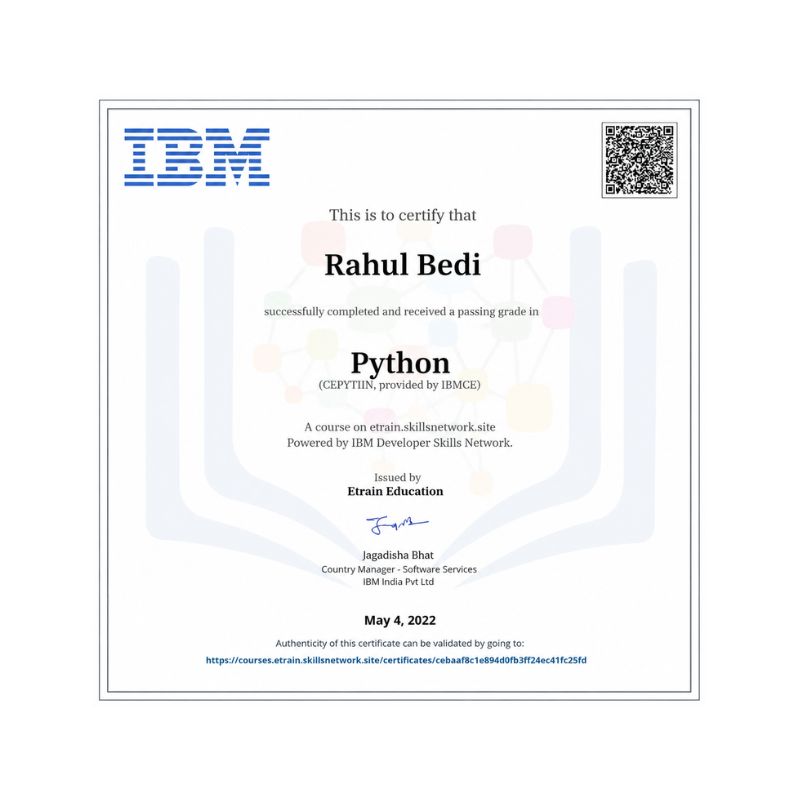
Certifications

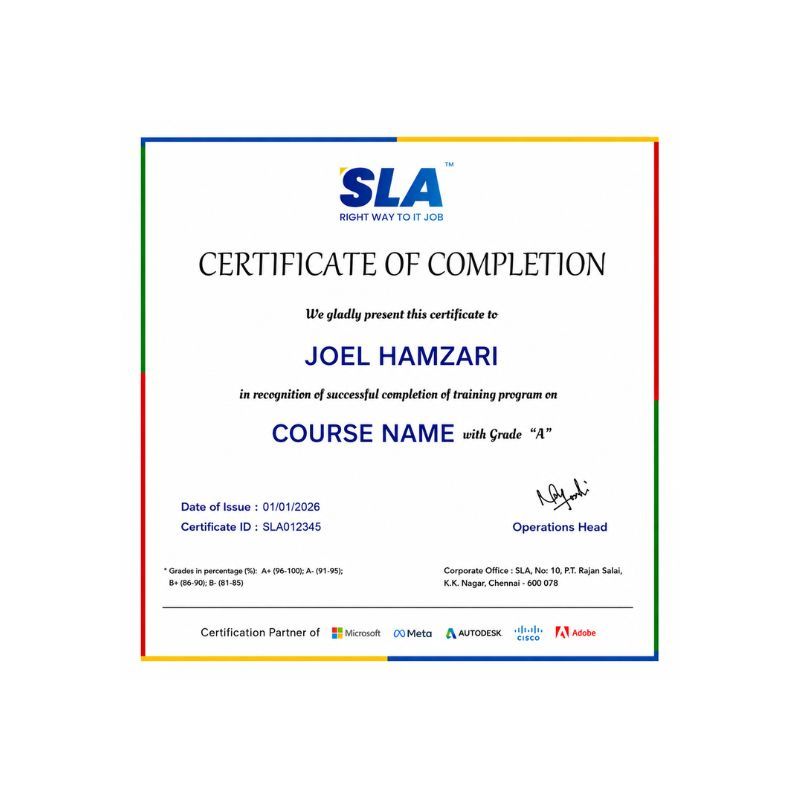
Earn Your Certificate of Completion
Validate your achievements with Softlogic's Certificate of Completion, verifying successful fulfillment of all essential components.
Take Your Career to the Next Level with  Certifications
Get a certifications through our training programs to gain a competitive edge in the industry.
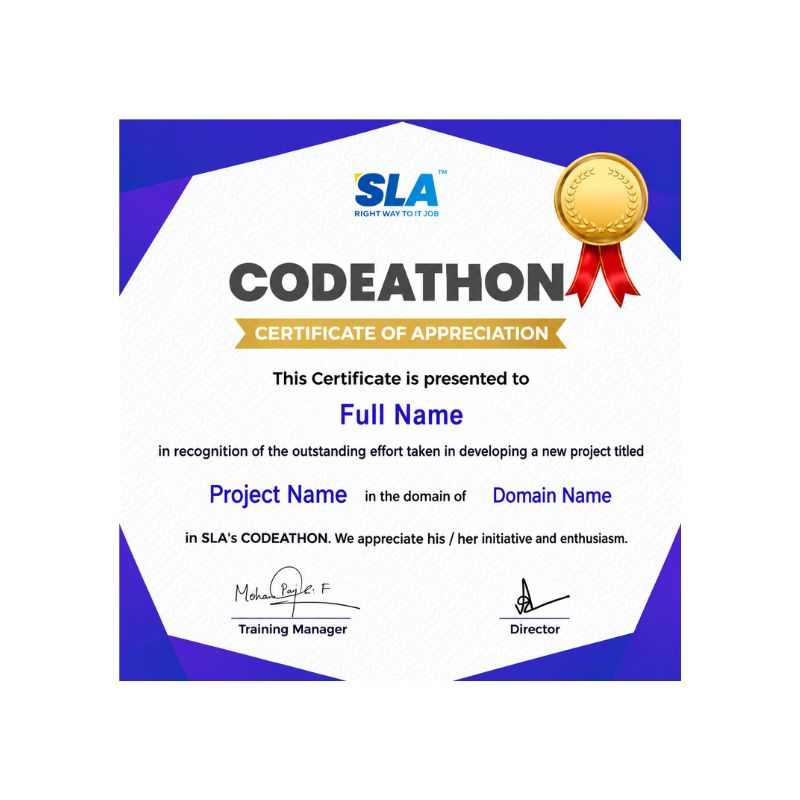
Stand Out from the Crowd with Codethon Certificate
Verify the authenticity of your real-time projects with Softlogic's Codethon certificate.

The Global Edge: Certified Vs. Uncertified

With Global Certification

  • ✅ Visibility in ATS Filters
  • ✅Command Higher Hikes
  • ✅ Verified Skill Proof
  • ✅Global Job Access
  • ✅ Fast-Tracked Senior Roles

Without Global Certification

  • ❌ Stuck in Screening
  • ❌ Lower Starting Pay
  • ❌ Unproven Technical Ability
  • ❌ Limited Local Scope
  • ❌ Slower Career Leader
  •  
Let's take the First Step to a better future! GET Free Career Guidance
The SLA Way to Get Placed

The SLA Way to Get Placed

Seven connected stages, one continuous path from enrollment to your career launch — here is exactly how it works, step by step.

01
🎓

Technical Mastery

Industry-aligned curriculum, daily coding tasks, real-time projects

02
💻

Career Readiness

Aptitude, Communication, ATS-friendly resume optimization

03
🎯

Placement Prep

Aptitude, communication tuning and technical interview mastery.

04
💬

Panel Mock Interviews

Real company-pattern mocks with expert panel feedback.

05
👨‍💼

Interview schedule

Multiple company drives with lifetime placement support.

06
📝

Interview Feedback

Detailed performance analysis and one-on-one guidance.

07
🏆

Launch Your Career

Land your first job with lifetime alumni and career support.

Listen to Our Students' Video Testimonials

FAQ

SLA’s Job Seeker program is designed to help freshers enter the IT industry quickly. The program offers a syllabus tailored for each fresher, based on the expectations of IT clients. It focuses on providing a combination of technologies in full-stack development, which enhances the fresher’s chances of securing a job in IT.

Yes, data science has a bright future. As businesses and industries generate more data, the demand for skilled data scientists will increase. Data science is already used in various fields and with advancements in technology, its role will become more crucial in decision-making and innovation.

Data scientists need to be skilled in programming languages like Python, R, and SQL, and have a good understanding of statistics and machine learning. They should also be adept at cleaning and organizing data, visualizing data effectively, and have knowledge of the industry they work in. Strong problem-solving, communication, curiosity, and creativity are also essential skills.

A data scientist analyzes data to find useful information and solve problems. They use statistics, machine learning, and programming to clean, process, and study large datasets. Data scientists also create visualizations and share their findings with others to help organizations make decisions based on data.

Yes, data science requires coding skills. Data scientists use programming languages like Python, R, and SQL to clean, process, analyze, and visualize data. Coding is essential for data scientists to manipulate data, build machine learning models, and extract insights from datasets.

The salary for a full-stack data scientist can differ based on variables like experience, location, and the company.  However, on average, a full-stack data scientist with less than three years of experience can earn around 3 lakhs per annum. With increasing experience and expertise, their salary has the potential to rise substantially.

Yes, SLA offers IBM-accredited certifications upon successful completion of their Java Full stack developer training course.

The placement team at SLA enhances your job prospects by providing comprehensive support. Whether you’re a certified student looking to switch careers or entering the workforce for the first time, you’ll receive extensive assistance through our placement services. SLA offers the following premium services as part of our placement support:

  • Resume building
  • Career guidance and advising
  • Interview practice sessions
  • Career expos

We accept all major payment methods. Cash, debit cards, credit cards (including Master, Visa, and Maestro), net banking, UPI, etc.

Please contact our course counselor by call or Whatsapp at +91 86818 84318. As an alternative, you can use our Website chat, Website form, or email us at enquiry@softlogicsys.in.

Related Blogs

Our counselors will share the Syllabus PDF with you via Email / Whatsapp

Get Your Instant Job & Placement Eligibility
Report in Just 30 Seconds!

We are excited to get started with you

Give us your information and we will arange for a free call (at your convenience) with one of our counsellors. You can get all your queries answered before deciding to join SLA and move your career forward.