
Opens in a new tab
Software Training Institute in Chennai with 100% Placements – SLA Institute

Oracle Training In Chennai

4.90
(8743)
DURATION
Real-Time Location Services
2 Months
EMI
0% Interest
Mode
Rank-Based Percentile Gui Calculator using Tkinter
Live Online / Offline

Softlogic Systems is No. 1 institute for Oracle training in Chennai for assured placements. Our Oracle Syllabus covers the Oracle architecture, SQL & PL/SQL programming, database design, user management, backup & recovery, performance tuning, and security. Our Oracle course in Chennai comes with placement support, flexible schedules, real-time projects, and certification to help you successfully launch your career. Our placement team connects you with top IT companies for a smooth career transition.
Enroll Now
Download Syllabus
0%

AI Powered Syllabus

0+

Realtime Projects

0+

Students Placed in Sept

0+

Certificates

Check Your Eligibilty for IT Training

Ready to start your tech career? Whether you have recently graduated and want to begin your IT career, or want to upskill for your next phase, our Eligibility Assessment Form makes the process easy to begin. For this Oracle Course In Chennai Developer Course, we will match your skills and goals to the best training structure for you. Just fill in the form below for an easy start on your course. Take your first step today!
What We'll Need From You?
Personal & Contact Details
Name and phone number for direct interview updates
Academic Background
Age category, educational qualification, and graduation year.
Technical Experience
Prior programming knowledge and relevant IT certification details.
KNOW MORE ABOUT COURSE +91 86818 84318

IT Training ELIGIBILITY TEST

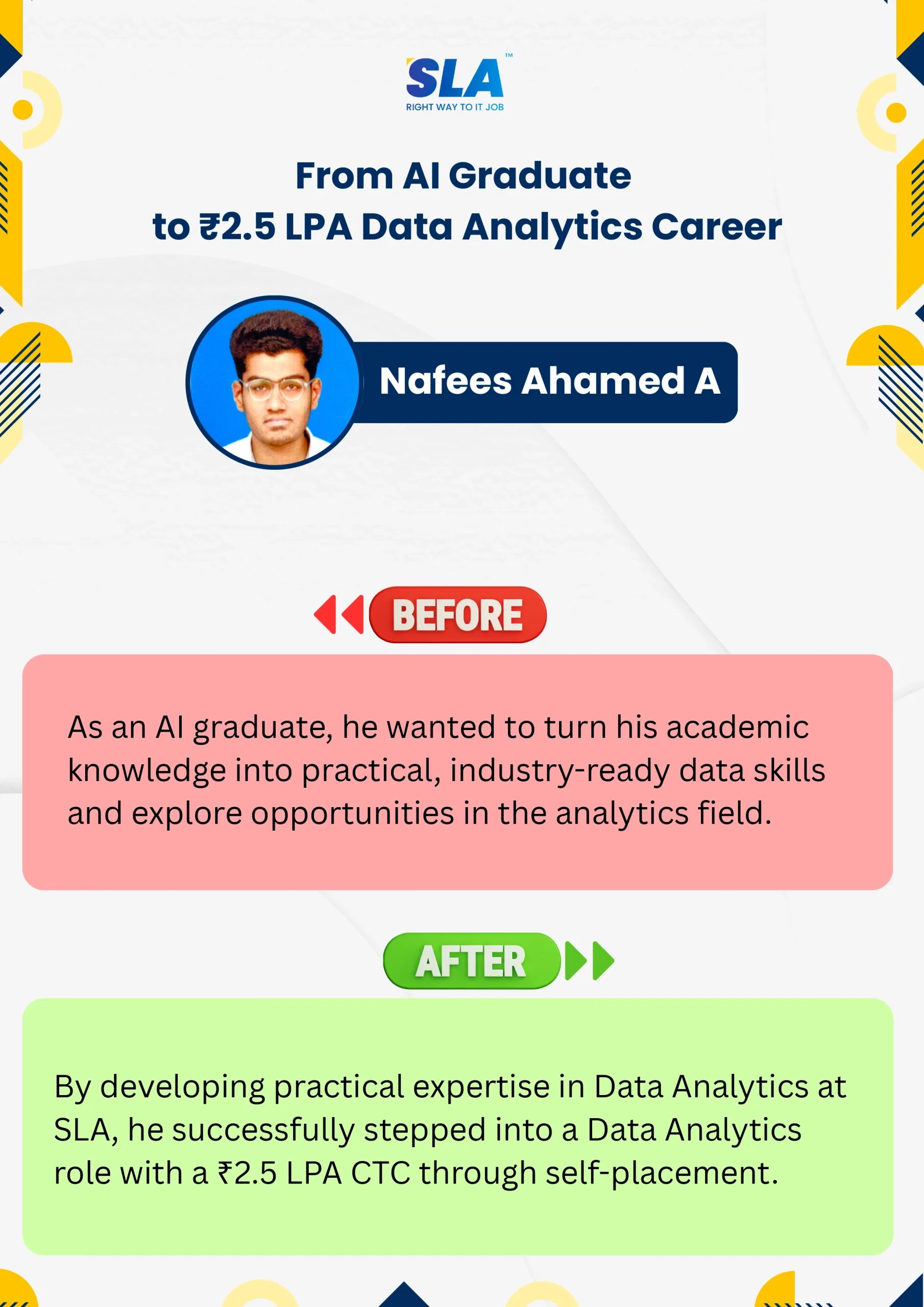
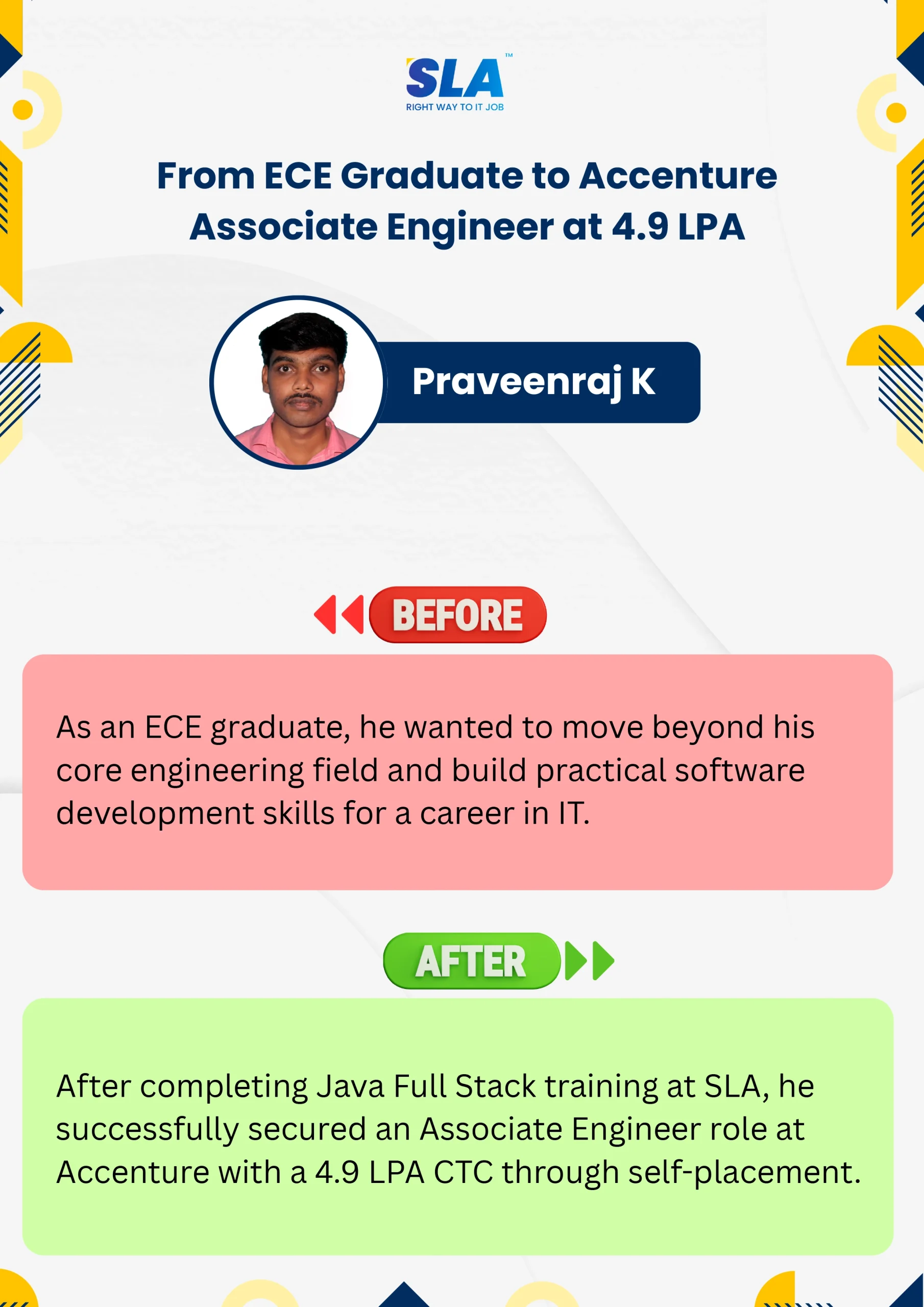
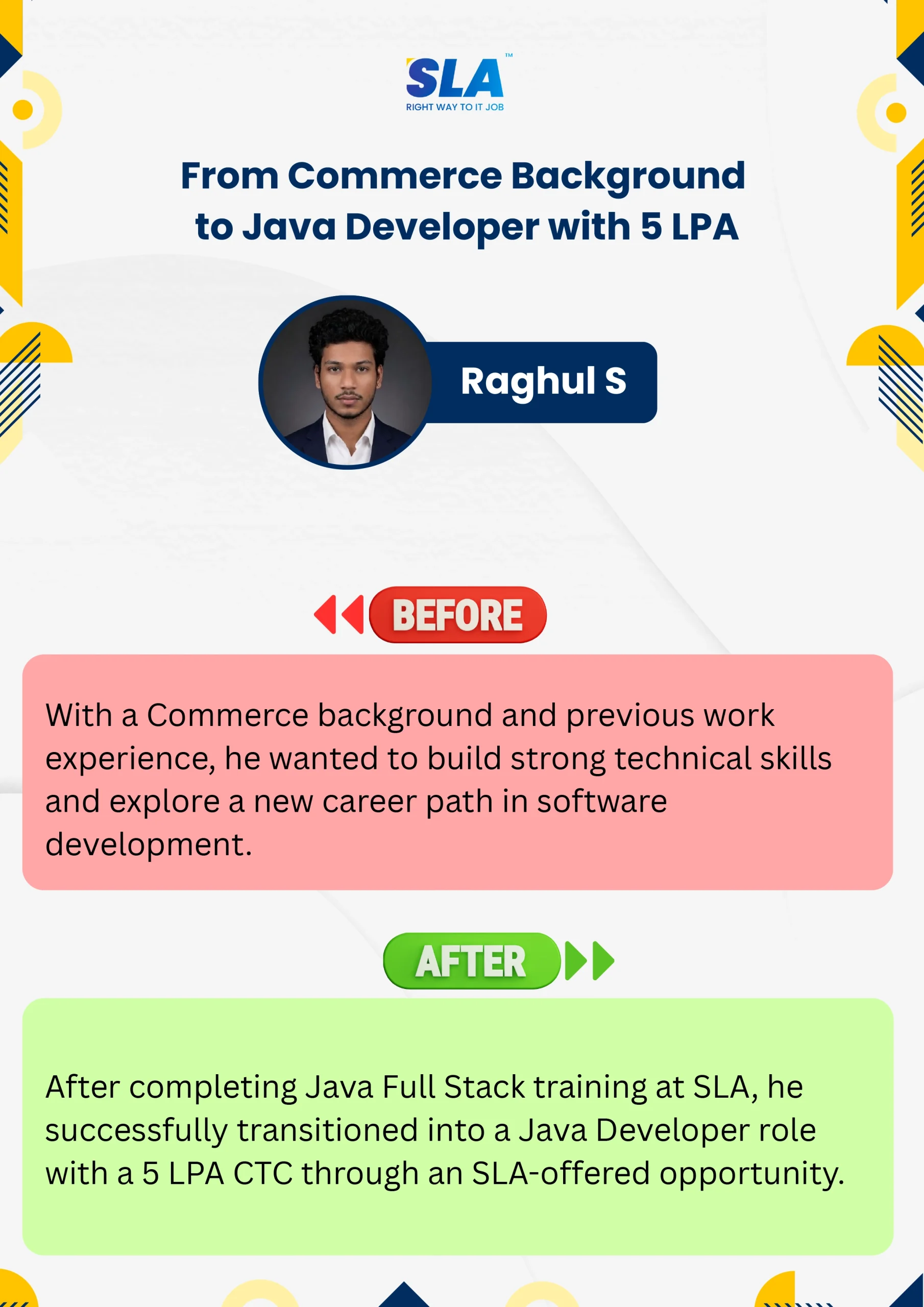
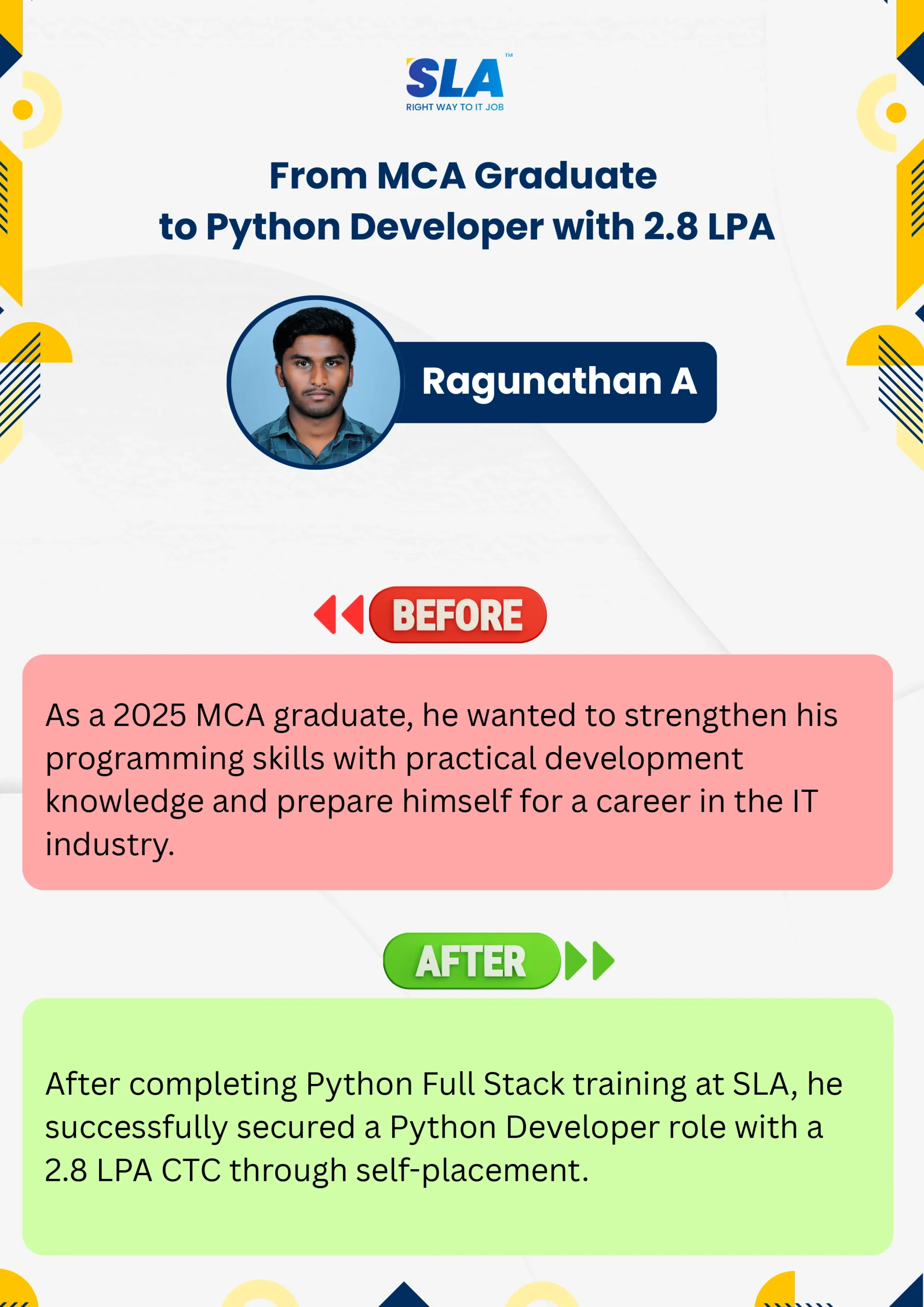
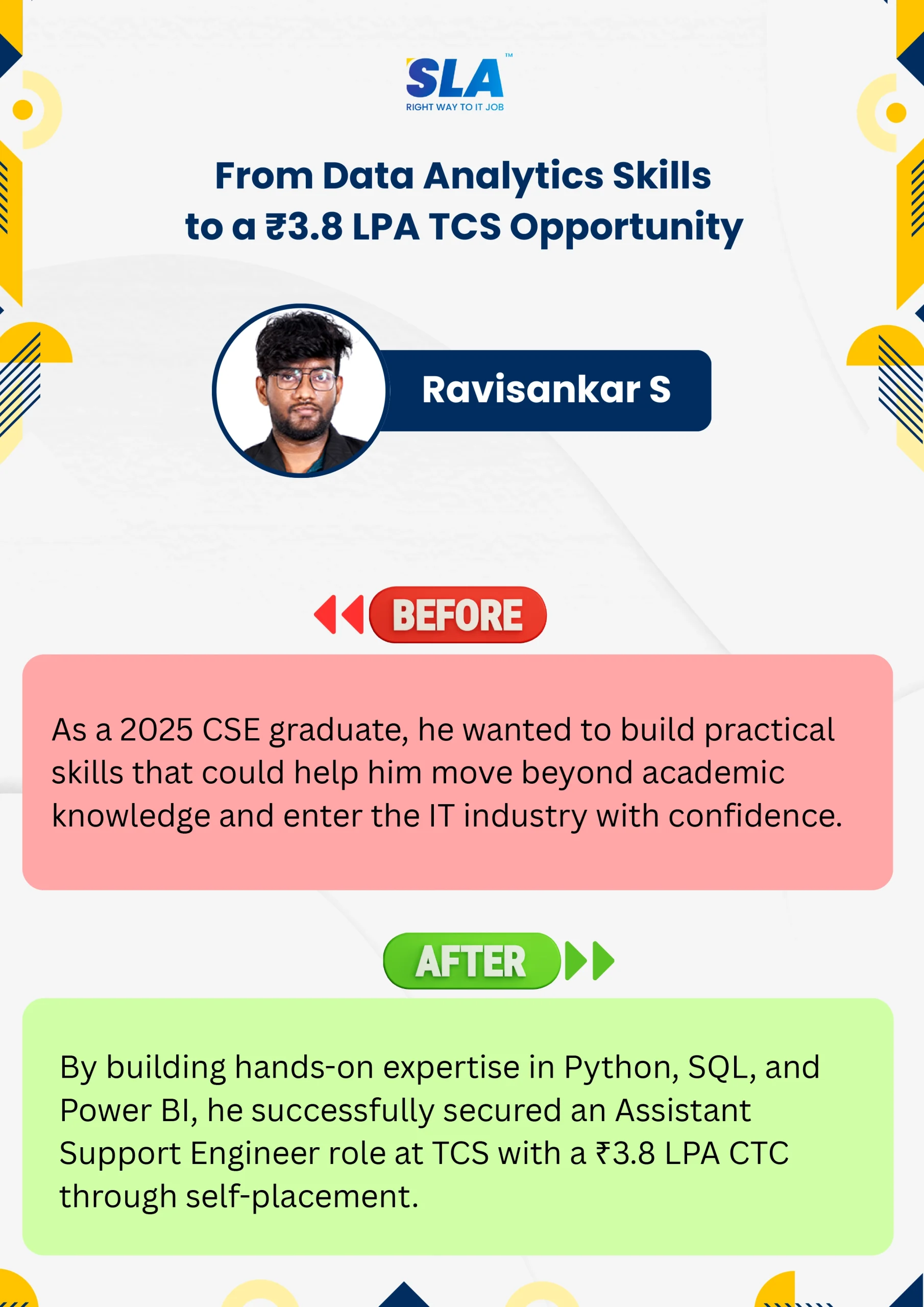
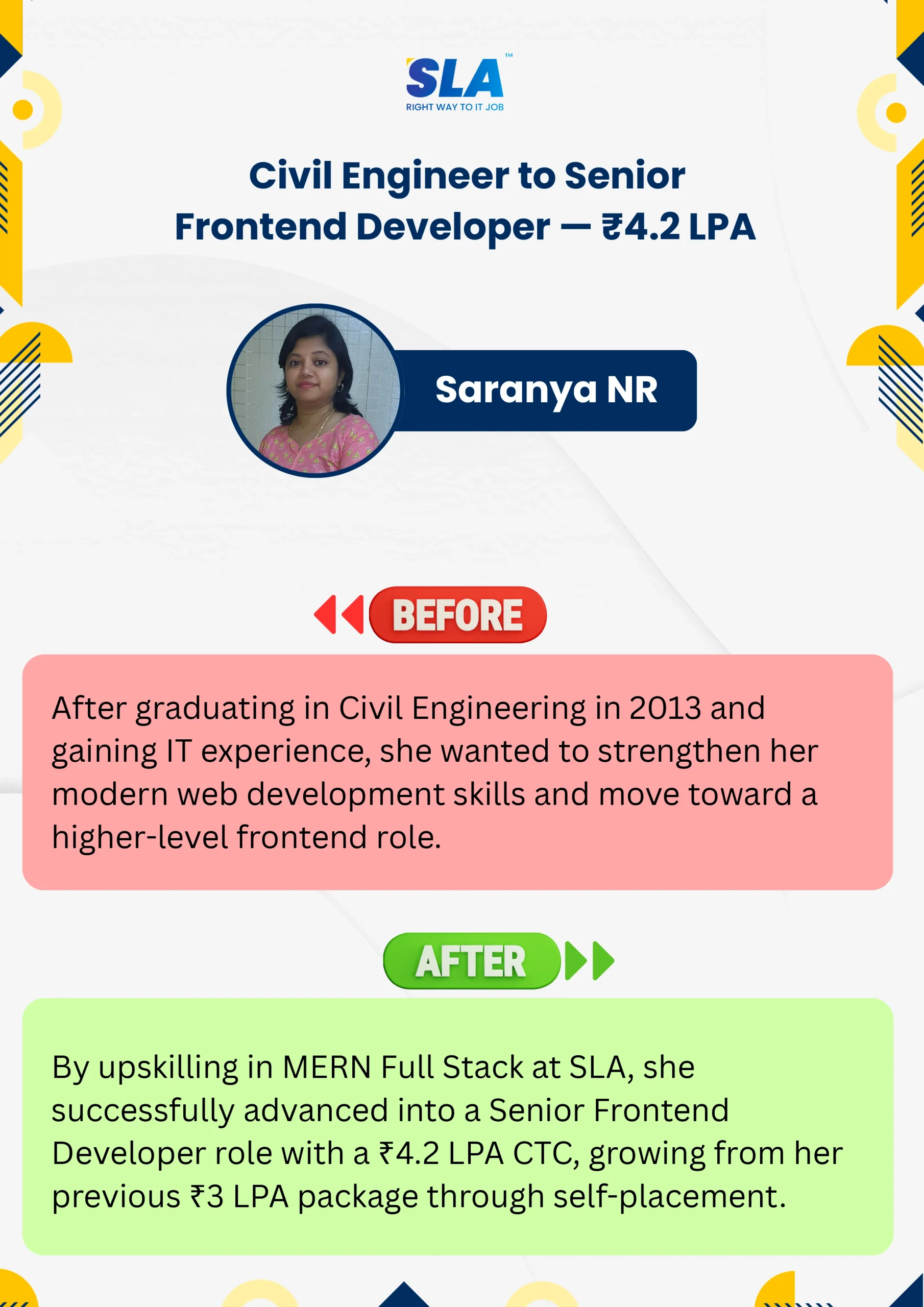
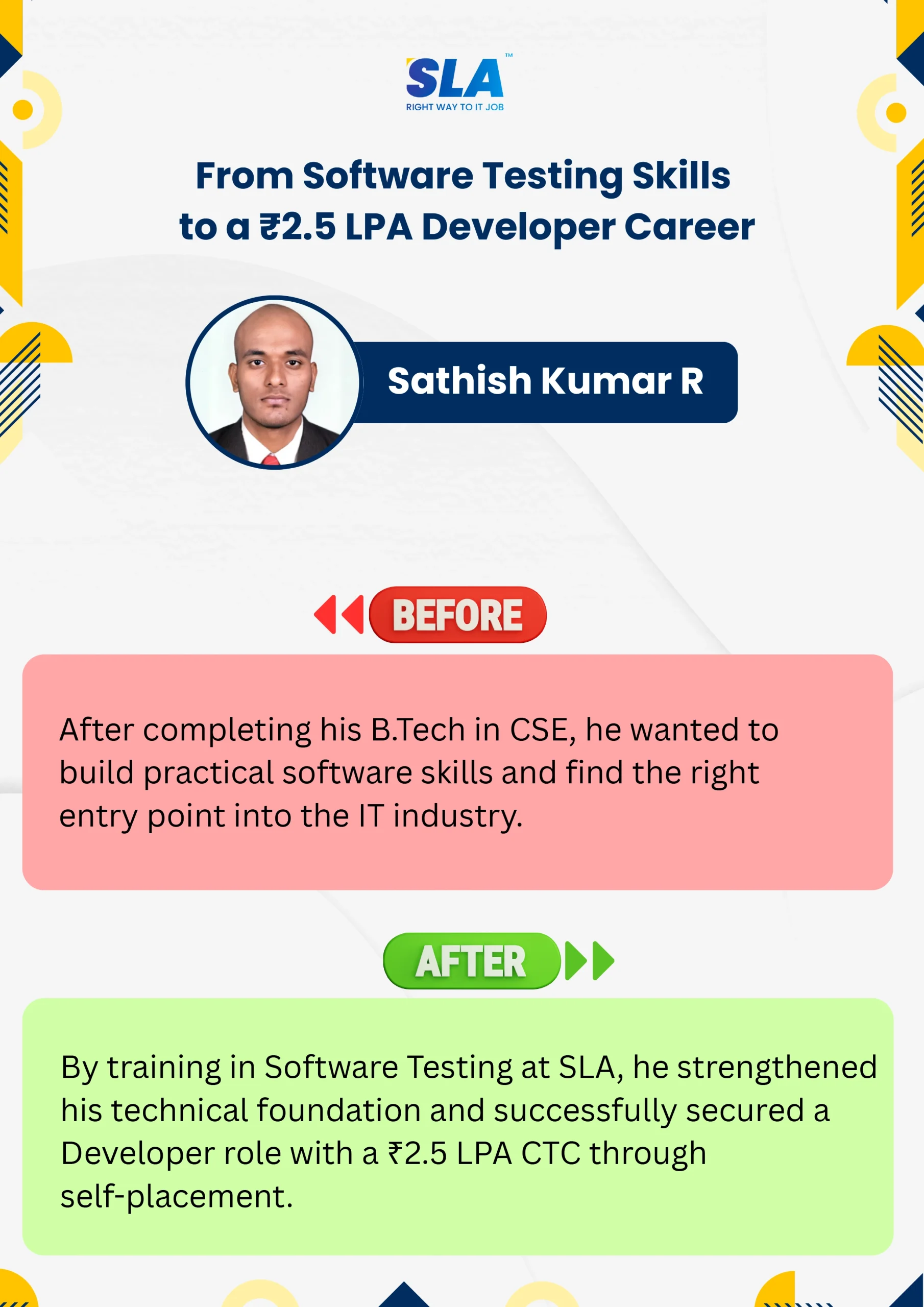
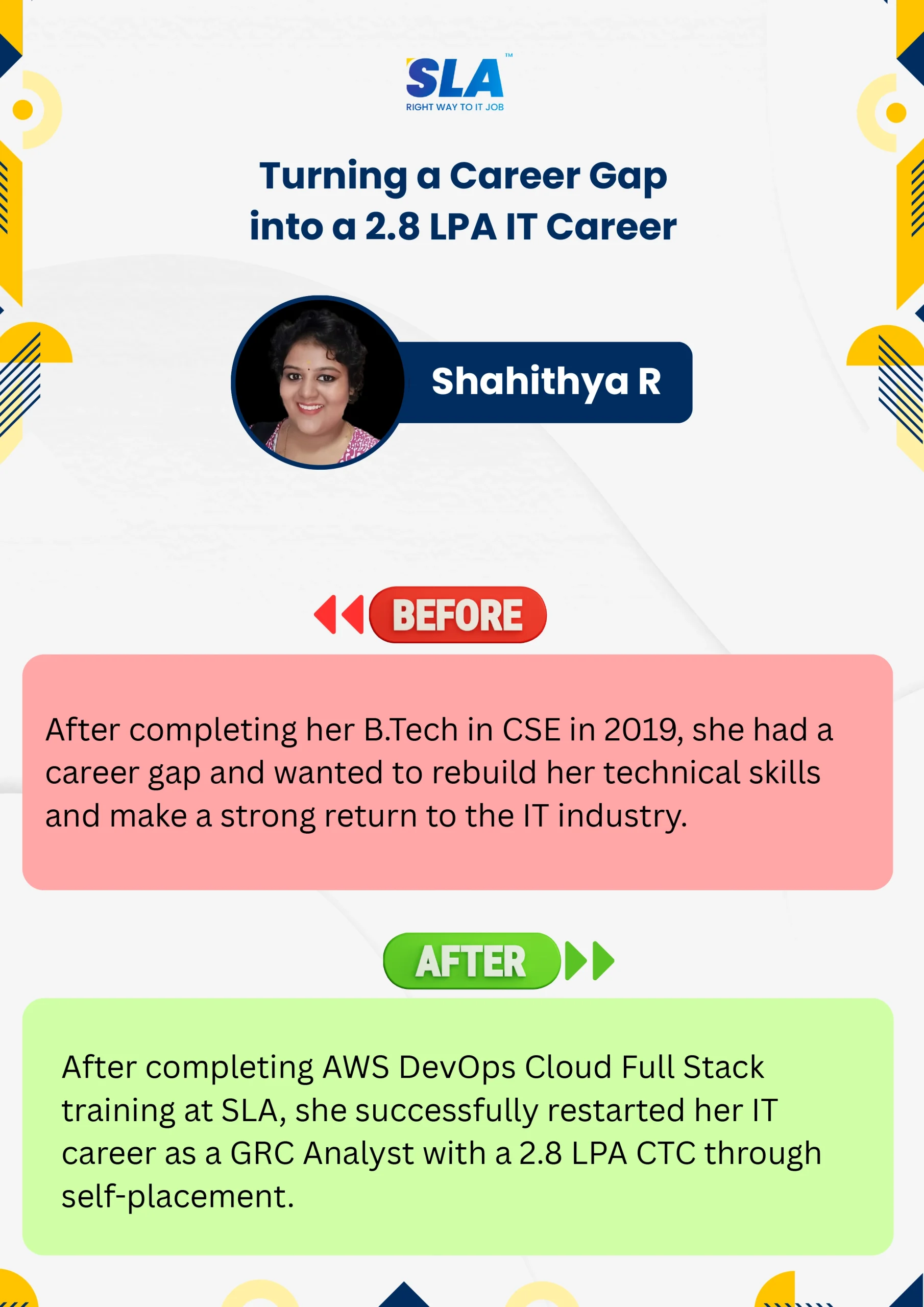
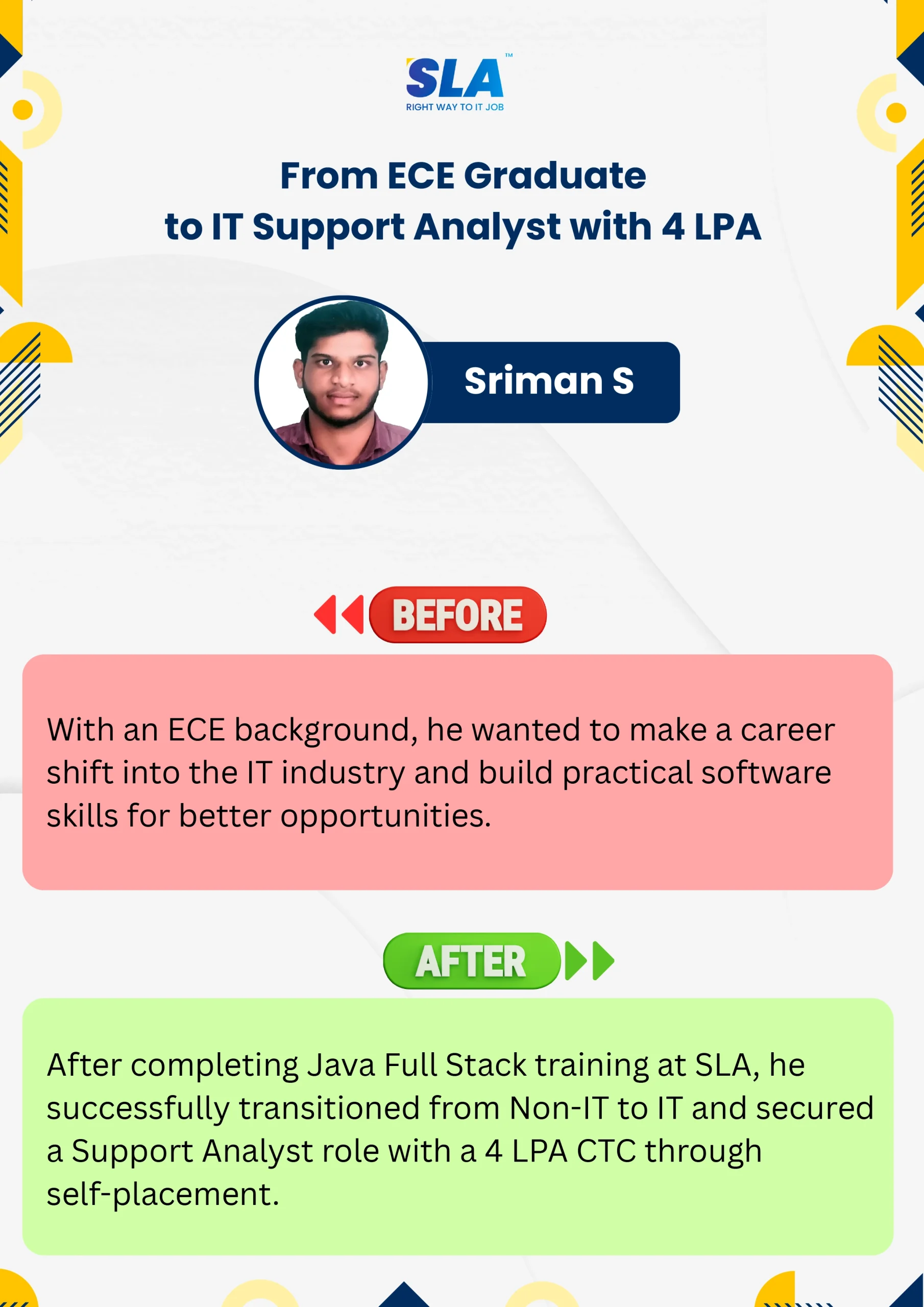
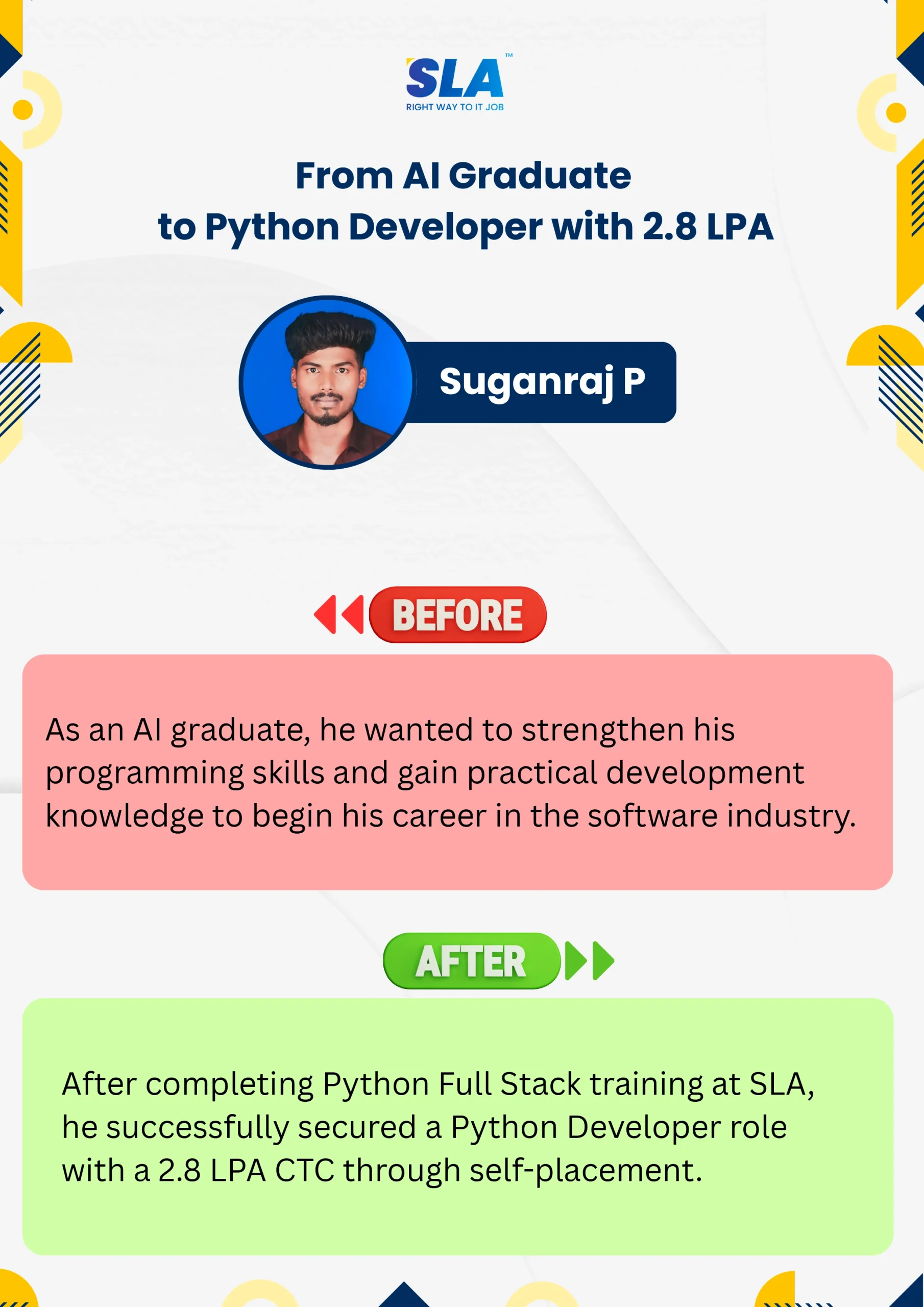
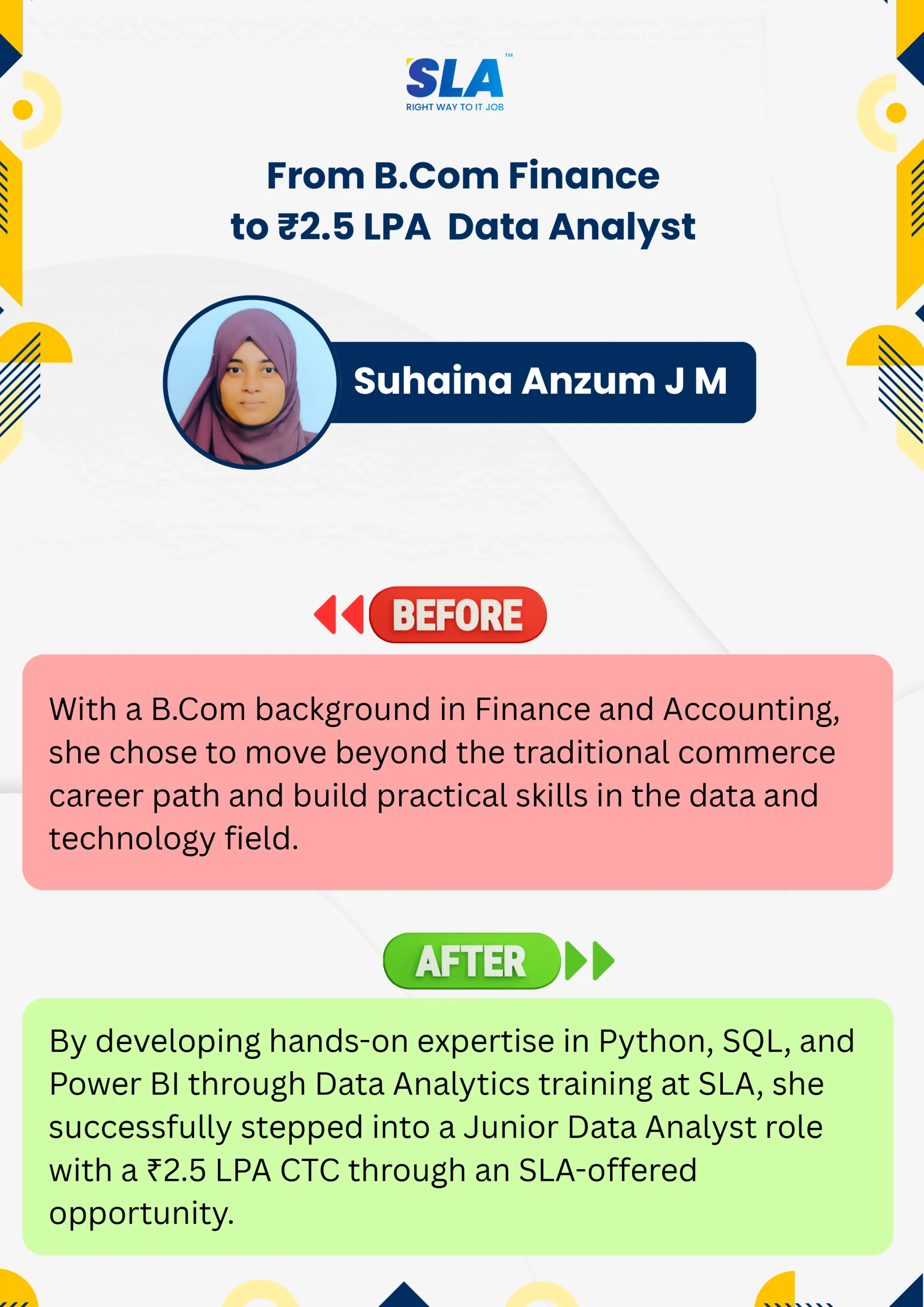
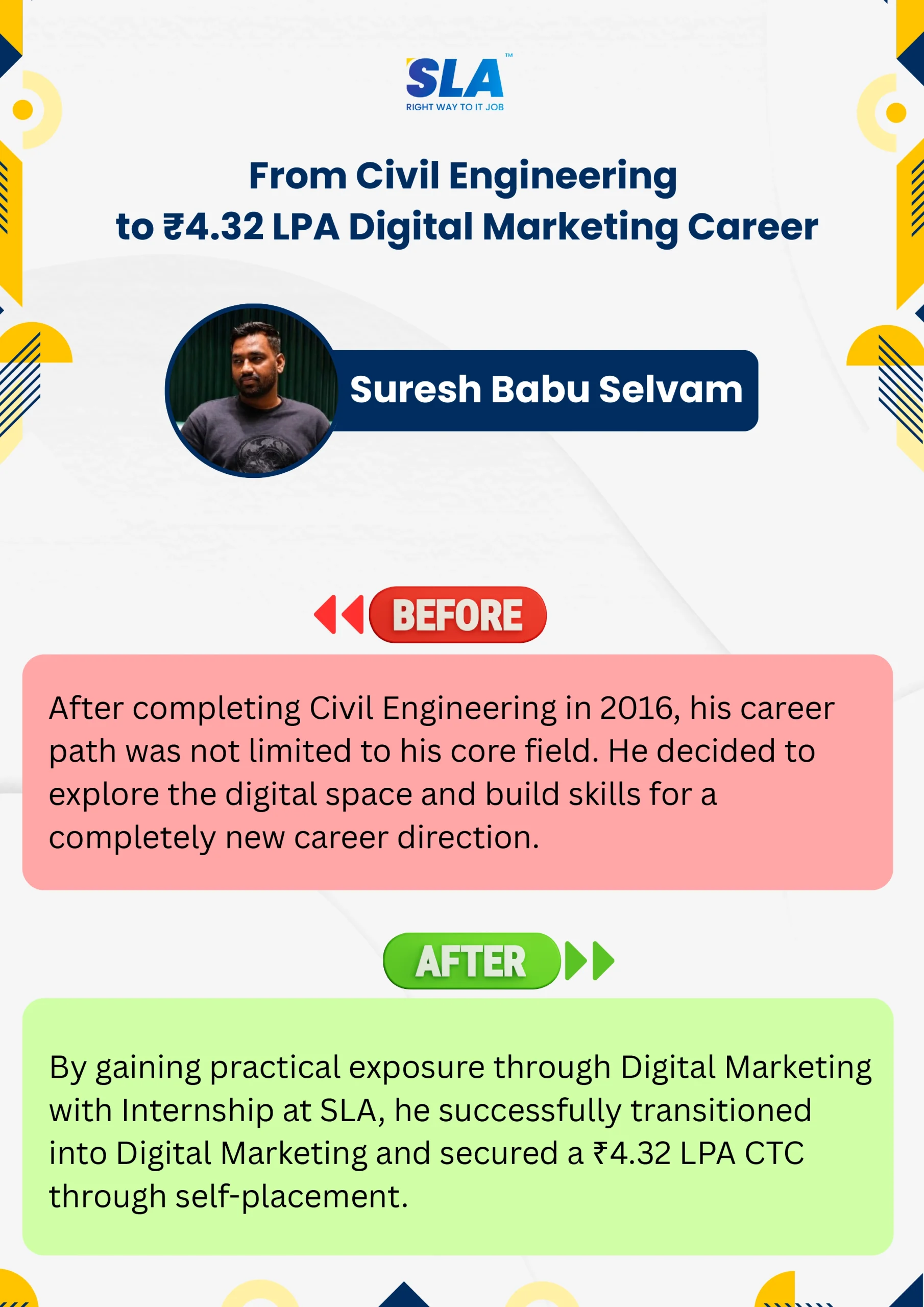
Life Changing Stories

Explore Our Students' Inspiring Leap Stories!

See More Success Stories

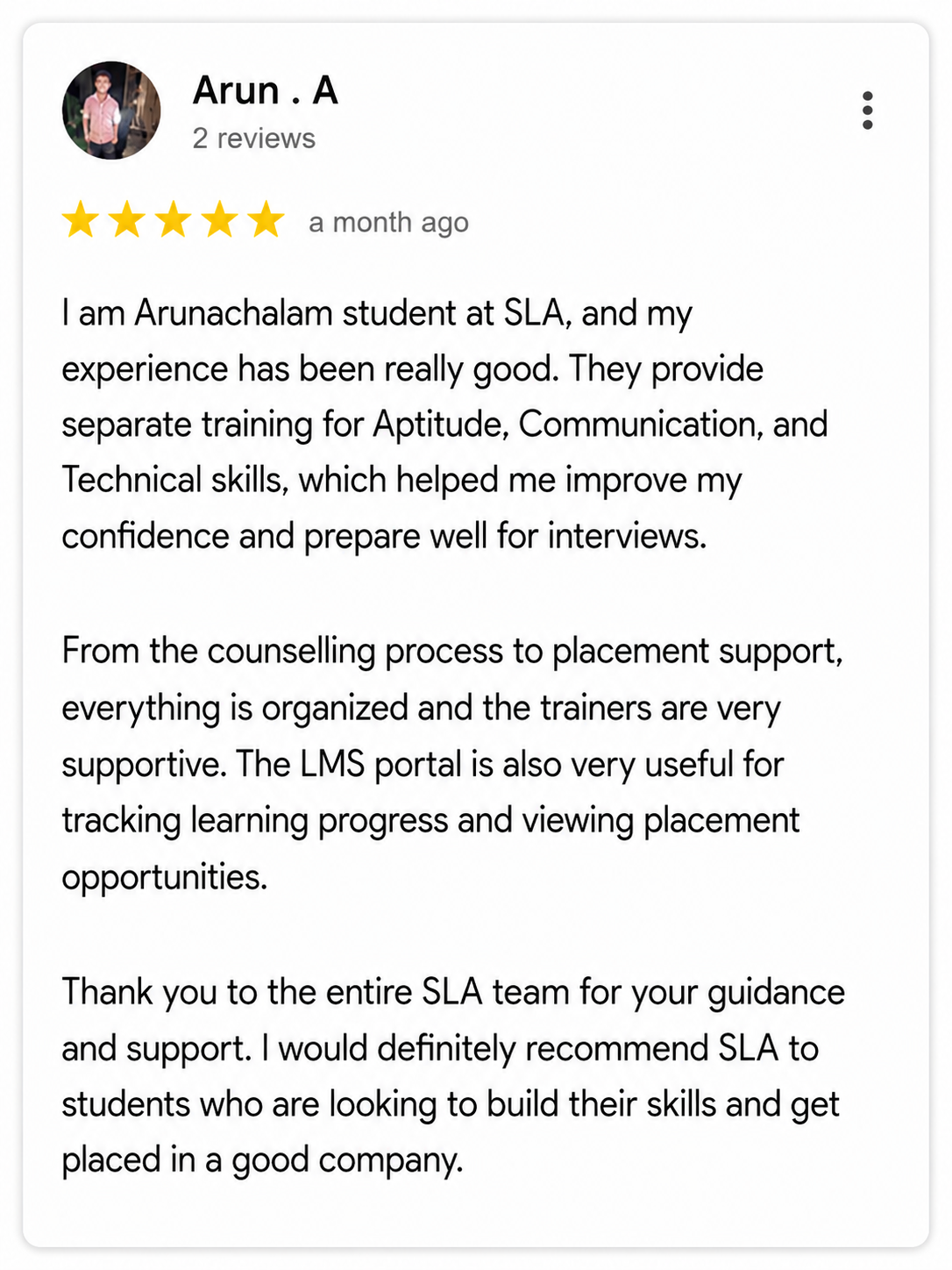
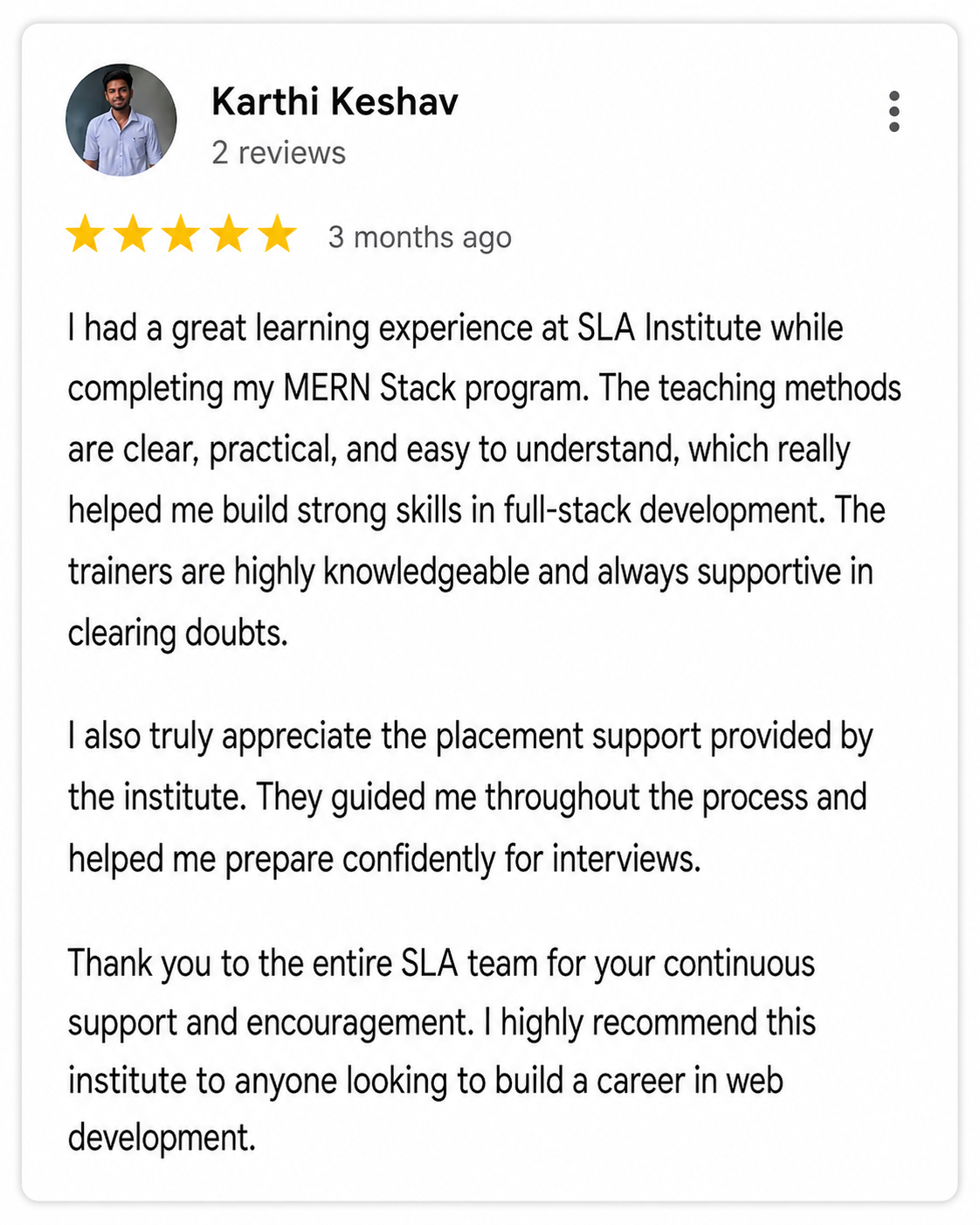
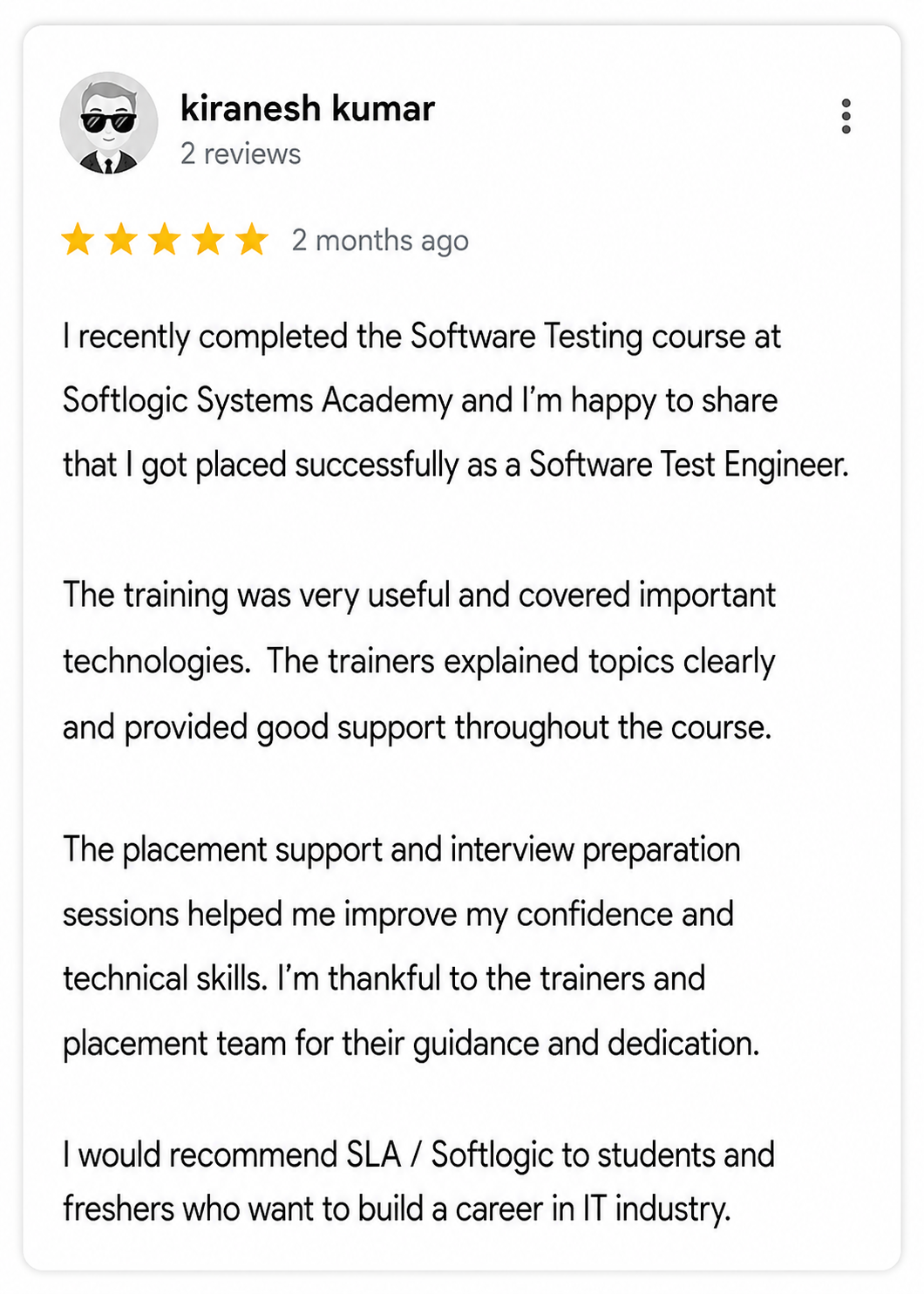
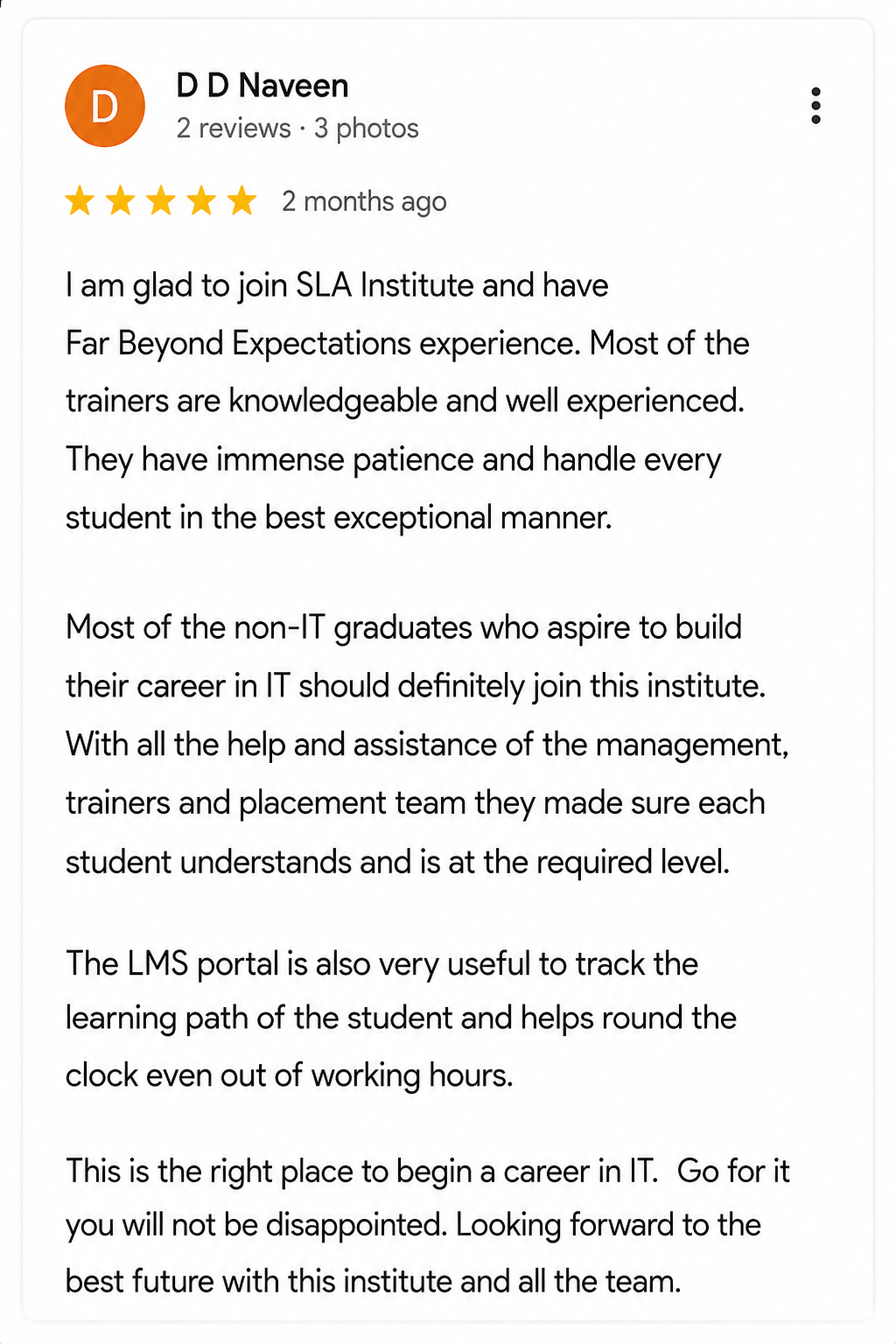
Check our Google Reviews

3D Coverflow Carousel
Review Image
Click here to view all Reviews

Syllabus of Oracle Course In Chennai

Download Syllabus
  • Introduction Database
  • Understanding DBMS vs RDBMS
  • Gone through SQL Standards
  • Sub languages of SQL
  • Difference between 10g vs 11g vs 12c
  • Installation of 12c
  • About SQL*Plus and use of developer tool
  • Datatypes in Oracle
  • Operators in Oracle
  • Understanding Schema design and objects
  • How to use select statement in different ways to retrieve records?
  • Working with Column alias
  • Working with Table alias
  • Data filtering and sorting with in single table
  • Clauses and its types in oracle
    • Where clause
    • Having clause
    • From clause
    • Group by clause
    • Order by clause
    • Using clause
    • Constraint clause
    • For update clause
  • Table creation using CREATE statement
  • Creating table from another table
  • Dropping a table using DROP command
  • Altering the column of a table
  • Modifying the column datatype in a table
  • Renaming the column of a table
  • Renaming an entire table
  • Using truncate command
  • Difference between Delete and Truncate command
  • How to copy data from one table to another table?
  • How to copy the structure alone from a table?
  • Different types of inserting row to an existing table
  • Updating any value of with in a record using UPDATE command
  • Deleting a particular record from a table
  • Using merge & insert all command [Implementation of Project 1 ]
  • How to declare column level constraints?
  • How to declare row level constraints ?
  • How to add constraints to an existing table?
  • Types of integrity constraints
    • Not null
    • Unique key
    • Primary key
    • Referential integrity
    • Check integrity
  • How to enable and disable constraints?
  • How to get information about constraints?
  • Understanding Single row functions
  • How to use single row functions using dummy table?
  • Types of single row functions
    • String functions
    • Date functions
    • Mathematical functions
    • Conversion functions
    • Special functions
    • Analytical functions
  • Working with multi row functions [Implementation of Project 2]
  • Working with aggregate function
    • Count()
    • Sum()
    • Max()
    • Min()
    • Avg()
  • Working with group by clause
  • Working with having clause
  • Difference between WHERE and HAVING clause
  • Understanding joins and its uses
  • Types of joins
    • Equi join
    • Non – equi join
    • Self join
    • Outer join
    • Left & Right outer join
    • Full outer join
    • Cross join [Implementation of Project 3]
  • How to use set operators in a single table content?
  • Working with set operator types
    • UNION
    • UNION ALL
    • INTERSECT
    • MINUS
  • Working with pseudo columns using the following
    • ROWID
    • ROWNUM
  • Importance of sub queries
  • Using different types of sub queries
    • Single row sub queries
    • Multi row sub queries
    • Nested queries
    • Multi column sub queries
    • Correlated sub queries
  • Using inline views and scalar queries [ Implementation of Project 4]
  • Working with data query language using TCL
  • Working with data control language commands
  • Use of commit and rollback
  • Use of savepoint and set transaction
  • How to give system privileges to an user?
  • How to invoke and revoke object privileges?
  • How to create users and roles?
  • Creating and working with Views
  • Working with Synonyms
  • Creating Index and clusters
  • Working with in materialized view
  • Understanding sequences and its types [Implementation of Project 5]
  • Informal introduction to PL/SQL
  • Advantages of PL/SQL
  • Datatypes in PL/SQL
  • Program structure of PL/SQL
  • Embedding SQL statements
  • Using conditional statements and loops
  • What is cursor?
  • How to create cursor?
  • Using cursors in PL/SQL
  • How to create explicit cursor?
  • Creation of for loop cursor
  • What are cursor parameters?
  • How to use for update clause?
  • What is ref cursors?
  • How to use implicit cursors?
  • What is an Exception?
  • Describing Exception types
  • Handling system defined exceptions
  • Handling user defined exceptions?
  • Sql code vs Sql errm
  • Pragma exception_init
  • Creating procedures in Pl/SQL
  • Working with procedure parameters
    • IN parameter
    • OUT parameter
    • INOUT parameter
  • How to create procedures with cursors
  • How procedures return records?
  • What is Pragma autonomous transaction?
  • Importance of function
  • How to create functions?
  • Difference between procedures and functions
  • How to use inline functions?
  • What is a Package?
  • Reasons to use packages
  • What is package specification?
  • What is package body?
  • How to instantiate package?
  • How to initialize instantiated package?
  • What are all the package state?
  • How to create triggers?
  • Benefits of trigger
  • How to trigger a trigger?
  • Using DML trigger & DDL trigger
  • How to audit database using triggers?
  • What are database level trigger?
  • What is collection?
  • How to use arrays?
  • Using nested tables
  • How to use index by value?
  • Listing types of collection methods.
  • General overview and discussion about DBA Concepts

Objectives of Oracle Course In Chennai

After coming into SLA and learning from our new and updated Oracle course syllabus, students will be exposed to various topics like: DBA Tasks and tools, optimal flexible architecture, Oracle universal installer, Alert log and more. 

When students leave the institute, they will leave with both theoretical and practical mastery on the following major Oracle subjects such as:

  • Installing Oracle database software
  • Creating an Oracle Database
  • Managing the Oracle Instance
  • Undo retention
  • Workshop and more
Click Here to Get Started

Highlights of Oracle Course In Chennai?

Oracle Database, developed by Oracle Corporation, is a relational database management system (RDBMS). It serves as a structured collection of data, classified by type, while upholding connections among these types. The fundamental role of a database lies in its capacity to store and fetch correlated data.

There are several compelling reasons to consider learning Oracle training:

  • Industry Standard: Oracle is widely recognized, boosting your job prospects.
  • Career Opportunities: Oracle skills open doors to diverse roles.
  • Database Management: Learn to handle and process large datasets.
  • Data Security: Master robust security practices.
  • Performance Optimization: Optimize database speed and efficiency.
  • Cloud Integration: Valuable as cloud adoption rises.

Oracle Training in Chennai encourages people from a variety of backgrounds who are interested in learning Oracle. A fundamental understanding of technical ideas, as well as familiarity with SQL and PL SQL programming would be beneficial.

Our Oracle Course in Chennai is suitable for:

  • Students
  • Professionals seeking a career change
  • IT professionals aiming to enhance their skills
  • Enthusiastic programmers
  • Job Seekers

The fees for our Oracle Course in Chennai depend on the program level (basic, intermediate, or advanced) and the course format (online or in-person). On average, the Oracle Course Fees in Chennai comes around 22,000 INR for a duration of 2 months, inclusive of international certification. For the most accurate and up-to-date information on fees, course duration, and certification, please reach out to our Best Oracle Training Institute in Chennai directly.

Oracle offers a wide array of software solutions and technologies, leading to various job roles across different domains. Here are some job roles related to Oracle:

  • Database Administrator (DBA)
  • Database Developer
  • Oracle Developer
  • Business Intelligence Analyst
  • Data Analyst
  • Oracle Cloud Engineer
  • Oracle Data Warehouse Developer

Oracle technologies are applied in various real-time scenarios across industries, leveraging their capabilities for efficient data management, analysis, and business operations. Here are some real-time applications of Oracle:

  • Smart Cities:Aids real-time traffic management and waste control.
  • IoT Applications: Processes real-time data from IoT devices.
  • Financial Services: Oracle handles real-time transactions and fraud detection.
  • Manufacturing: Supports real-time production monitoring and quality control.
  • Public Sector: Supports real-time citizen services and data analytics.
  • Pharmaceuticals: Handles real-time drug research data and clinical trials.

As per data from AmbitionBox, the DBA Administrator freshers salary typically with less than 3 years of experience earn approximately ₹4-6 lakhs annually. For mid-career DBA Administrators with around 7 years of experience, the average annual salary is around ₹13.4 lakhs. An experienced DBA Administrator with more than 10 years of experience can anticipate an average yearly salary of around ₹17.1 lakhs. 

Boost your skills with Oracle Course In Chennai with Experts

Our Mentors are from Top Companies like:
  • Our trainers are highly experienced Oracle Trainers with 10+ years of professional experience in the IT Field.
  • They are Certified Oracle Professionals with vast knowledge of working with Oracle technology and products.
  • They possess expertise in the design and development of complex Oracle Applications.
  • They are exceptionally knowledgeable in various functions associated with enterprise application development such as Data Modeling, Database Design, PL/SQL Programming & Performance Tuning.
  • They are skilled in Oracle 10g and above with expertise in Database Administration
  • They are proficient in troubleshooting problems and resolutions for Oracle applications. They hold expertise in database integration and migrations. and are experienced in both corporate and academia-level Oracle training.
  • They have mentored more than 5000+ students and hundreds of batches to become successful Oracle experts.
  • They have working knowledge of Oracle Cloud Computing and Database Security Solutions and have hands-on experience in building and configuring Oracle Databases.
  • They Possess a unique ability to communicate complex information clearly and effectively. They are dedicated to providing high-quality Oracle Training in Chennai that maximizes students learning potential.
  • Our trainers are highly competent in helping students build their customized resumes to meet industrial requirements.
  • They are motivated towards making the students get placed by helping them with interview preparation with their expert guidance.
Click Here to Get Started

Explore Real Projects Built by Softlogic Students

Explore the real-world, enterprise-level projects designed and executed by our successful alumni. Gain the same hands-on exposure to live industry projects, build a standout portfolio, and prove your practical skills to top hiring managers instantly.
Oracle Cloud Migration
Oracle Database Vault
Oracle Performance Tuning
Project Practices for Oracle Course In Chennai

Why Softlogic Systems is the Best Choice for Oracle Course In Chennai

Crowdfunding Platform
Online & Offline Training Options
Learn at your convenience with flexible classroom and live online training.
Learn from 100+ Real-Time Developers
Get trained by industry professionals with years of hands-on experience.
Voting System with Python Django
Hands-on Projects & Codeathons
Practice with real-time projects and coding challenges to build confidence.
0% EMI Fee Options
Pay your course fees flexibly with easy EMI plans at zero interest.
Resume & Interview Support
Get expert help with resume building, mock interviews, and soft skills.
Placement with Top IT Firms
Access placement opportunities with leading MNCs and IT companies.
500+ Hiring Partners
Benefit from Softlogic’s strong recruiter network for faster job placement.
No Backdoor Jobs
We ensure only genuine placement opportunities with trusted companies.
Request a Free Callback

Certifications

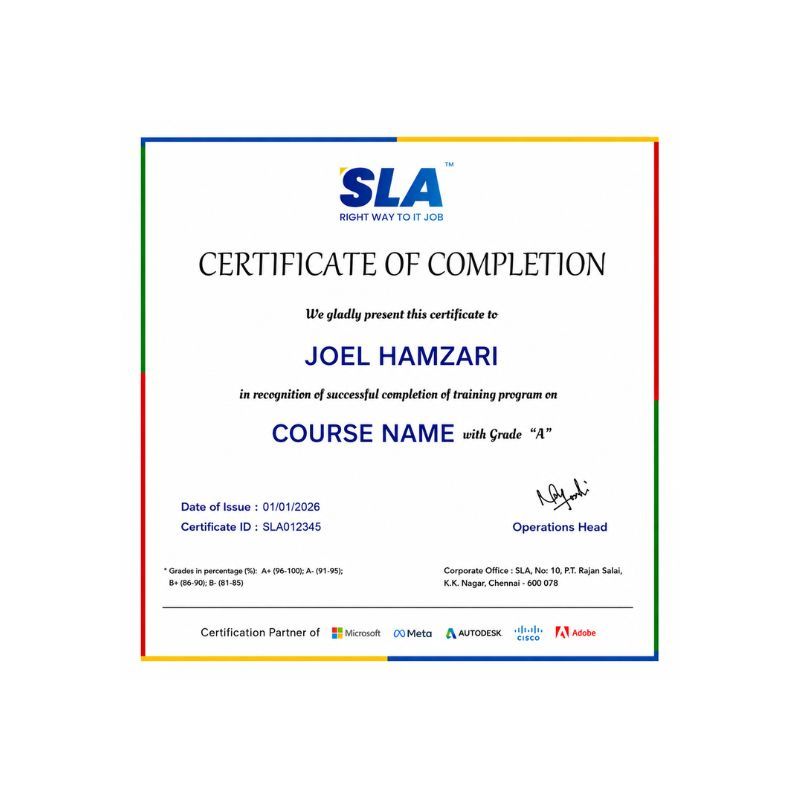
Earn Your Certificate of Completion
Validate your achievements with Softlogic's Certificate of Completion, verifying successful fulfillment of all essential components.
Take Your Career to the Next Level with  Certifications
Get a certifications through our training programs to gain a competitive edge in the industry.
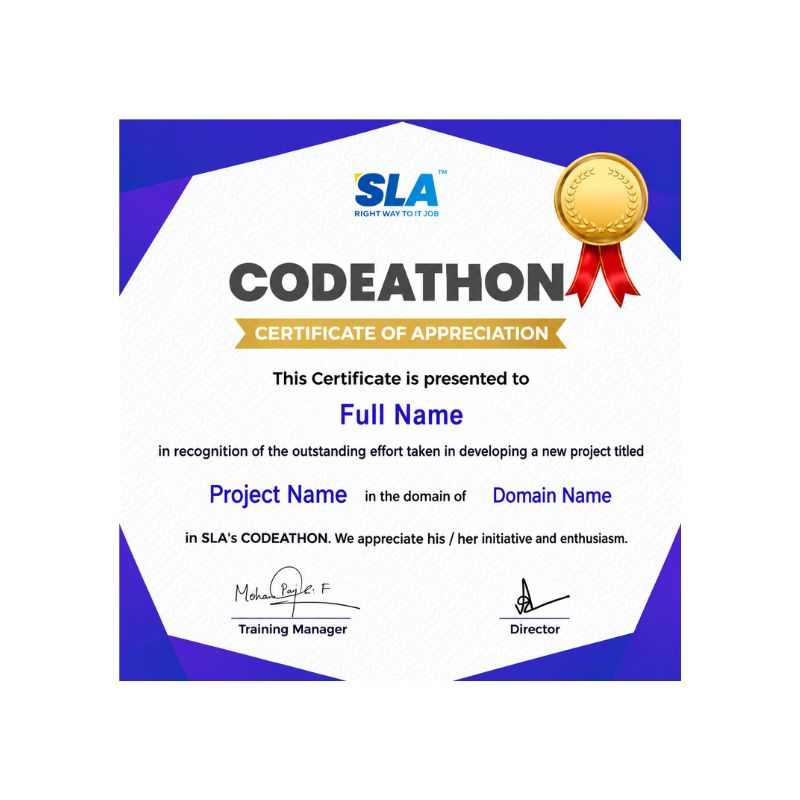
Stand Out from the Crowd with Codethon Certificate
Verify the authenticity of your real-time projects with Softlogic's Codethon certificate.

The Global Edge: Certified Vs. Uncertified

With Global Certification

  • ✅ Visibility in ATS Filters
  • ✅Command Higher Hikes
  • ✅ Verified Skill Proof
  • ✅Global Job Access
  • ✅ Fast-Tracked Senior Roles

Without Global Certification

  • ❌ Stuck in Screening
  • ❌ Lower Starting Pay
  • ❌ Unproven Technical Ability
  • ❌ Limited Local Scope
  • ❌ Slower Career Leader
  •  
Let's take the First Step to a better future! GET Free Career Guidance
The SLA Way to Get Placed

The SLA Way to Get Placed

Seven connected stages, one continuous path from enrollment to your career launch — here is exactly how it works, step by step.

01
🎓

Technical Mastery

Industry-aligned curriculum, daily coding tasks, real-time projects

02
💻

Career Readiness

Aptitude, Communication, ATS-friendly resume optimization

03
🎯

Placement Prep

Aptitude, communication tuning and technical interview mastery.

04
💬

Panel Mock Interviews

Real company-pattern mocks with expert panel feedback.

05
👨‍💼

Interview schedule

Multiple company drives with lifetime placement support.

06
📝

Interview Feedback

Detailed performance analysis and one-on-one guidance.

07
🏆

Launch Your Career

Land your first job with lifetime alumni and career support.

Listen to Our Students' Video Testimonials

FAQ

The primary purpose of Oracle training is to equip participants with the knowledge and skills to harness this powerful database technology and use it effectively in their day-to-day operations.

In the Oracle training, topics such as database fundamentals, database design, database architecture, database security, database administration, database development, and database troubleshooting will be covered.

Yes, the Oracle training includes the topics of Structured Query Language (SQL) and Procedural Language/Structured Query Language (PL/SQL).

No prior experience or knowledge is required for Oracle training. However, for a more comprehensive understanding of the topics covered, some basic familiarity with database concepts may be beneficial.

Anyone interested in learning and using Oracle Database Technology can attend the Oracle training in Chennai offered by Softlogic Systems.

Upon successful completion of the Oracle training, participants will receive an IBM certified certofication from softlogic Systems.

The Oracle training aims to make participants conversant with the Oracle Database technology for effectively using it for their work. The training will enable participants to understand Oracle Database architecture, design databases, write SQL statements, and develop complex PL/SQL programs.

The instructor for the Oracle training will be a highly experienced and certified Oracle professional who has extensive experience with Oracle technology. And they are real time industry experts who can impart updated concepts of oracle tht are in the trend. They provide all necessary course materials such as course outlines, assessment tests, and practice exercises to each participant to make them expert.

Answer: Completing an Oracle training course opens up a range of job opportunities in the software and IT industry, including database administrators, developers, designers, and analytics specialists.

Yes, Softlogic Systems offer placement assistance to our students through our in-house placement team. We provide regular updates about job openings in the industry, and help our students to connect with potential employers.

Related Blogs

Our counselors will share the Syllabus PDF with you via Email / Whatsapp

Get Your Instant Job & Placement Eligibility
Report in Just 30 Seconds!

We are excited to get started with you

Give us your information and we will arange for a free call (at your convenience) with one of our counsellors. You can get all your queries answered before deciding to join SLA and move your career forward.