
Software Training Institute in Chennai with 100% Placements – SLA Institute

Devops Online Training

4.90
(35289)
DURATION
Real-Time Location Services
2 Months
EMI
0% Interest
Mode
Rank-Based Percentile Gui Calculator using Tkinter
Live Online / Offline

Our DevOps Online Training programs are designed for students, freshers, and working professionals who want to upskill and stay relevant. We offer DevOps Online Courses that are practical, interactive, and aligned with the latest industry demands. Our DevOps syllabus covers the DevOps fundamentals, continuous integration and continuous deployment (CI/CD), configuration management, containerization with Docker, orchestration with Kubernetes, infrastructure as code, and monitoring. Enroll now and learn from industry experts with flexible timings and get Job support.
Enroll Now
Download Syllabus
0%

AI Powered Syllabus

0+

Realtime Projects

0+

Students Placed in

September 2026

0+

Certificates

Check Your Eligibilty for IT Training

Ready to start your tech career? Whether you have recently graduated and want to begin your IT career, or want to upskill for your next phase, our Eligibility Assessment Form makes the process easy to begin. For this Devops Online Course Developer Course, we will match your skills and goals to the best training structure for you. Just fill in the form below for an easy start on your course. Take your first step today!
What We'll Need From You?
Personal & Contact Details
Name and phone number for direct interview updates
Academic Background
Age category, educational qualification, and graduation year.
Technical Experience
Prior programming knowledge and relevant IT certification details.
KNOW MORE ABOUT COURSE +91 86818 84318

IT Training ELIGIBILITY TEST

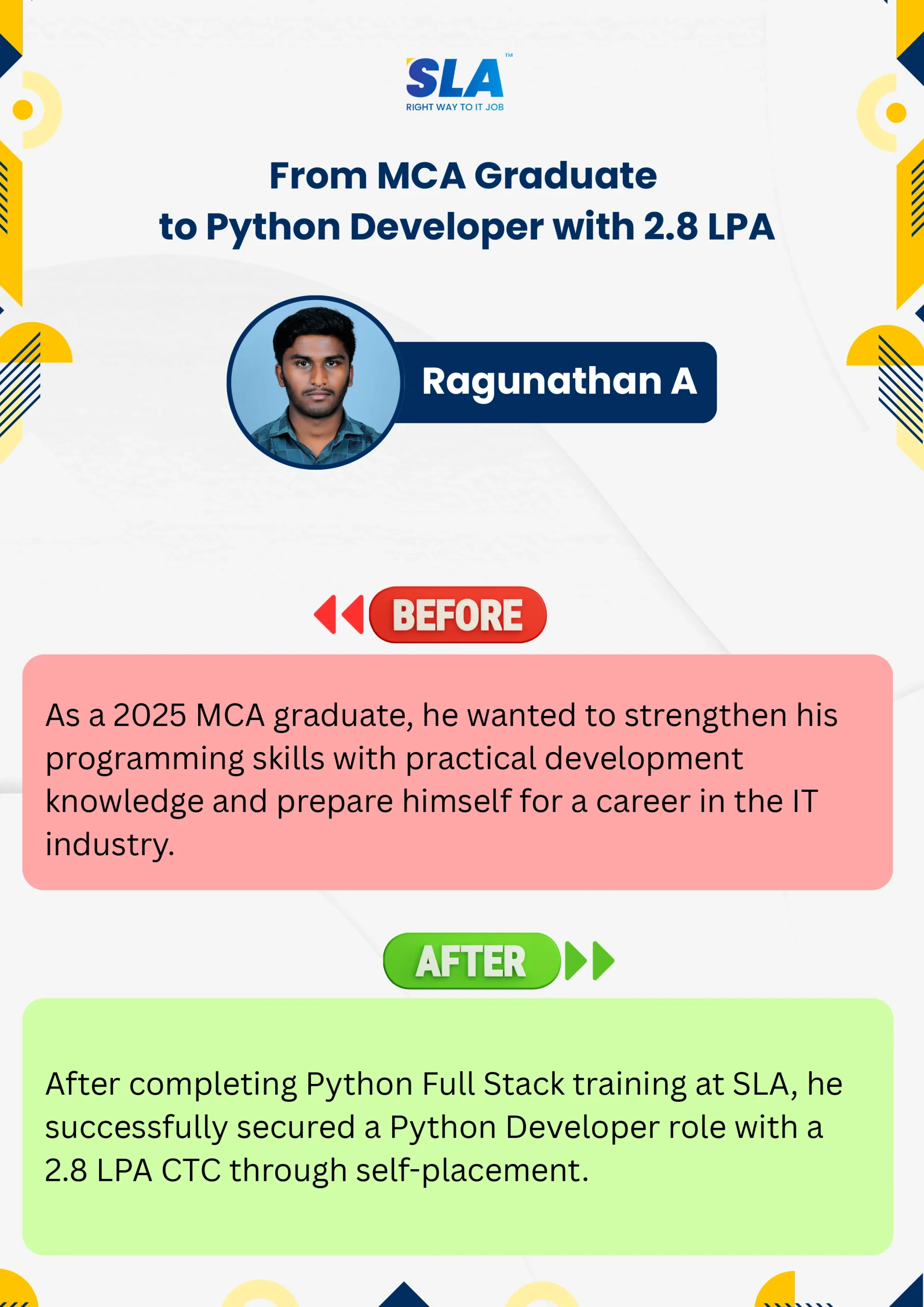
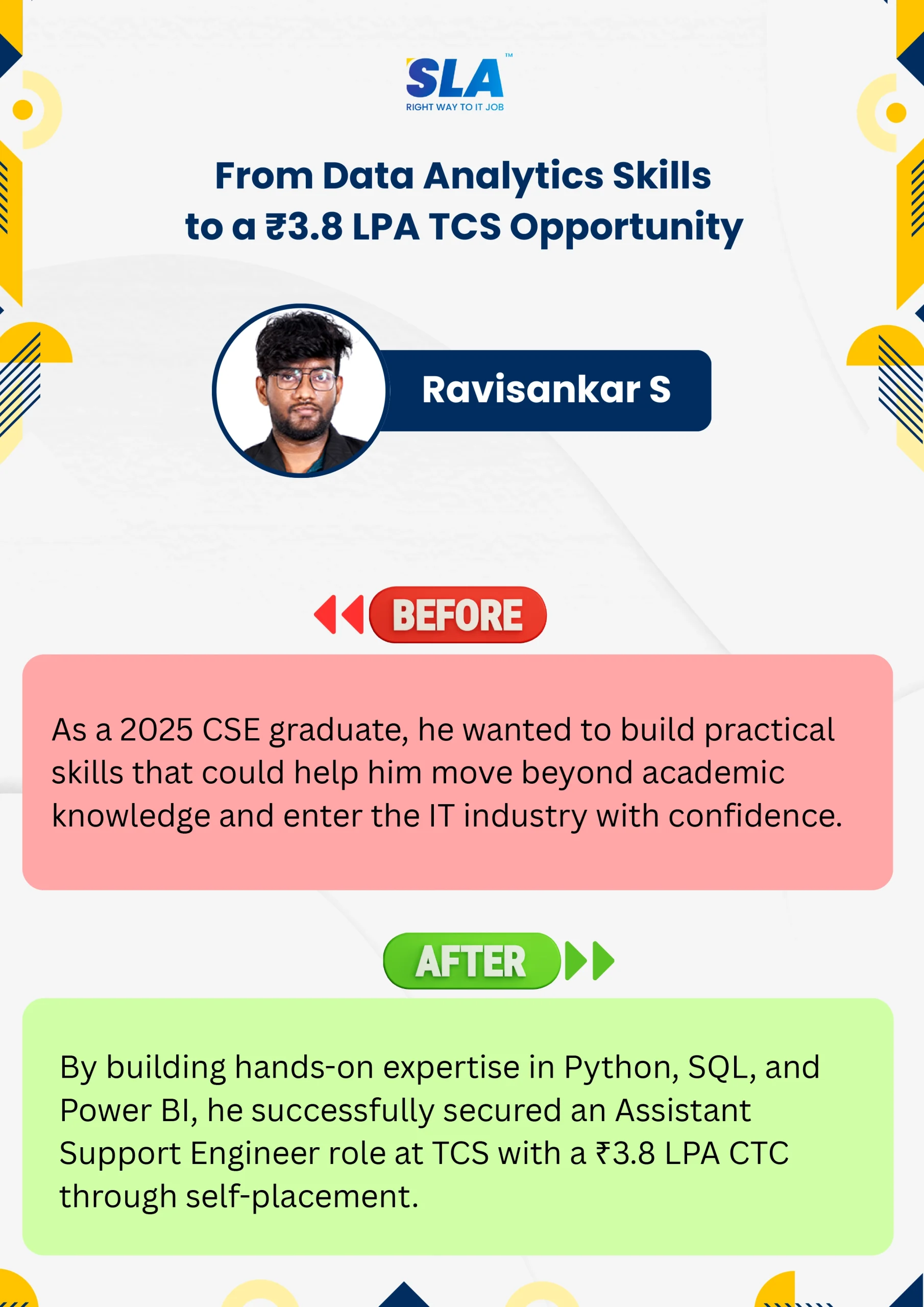
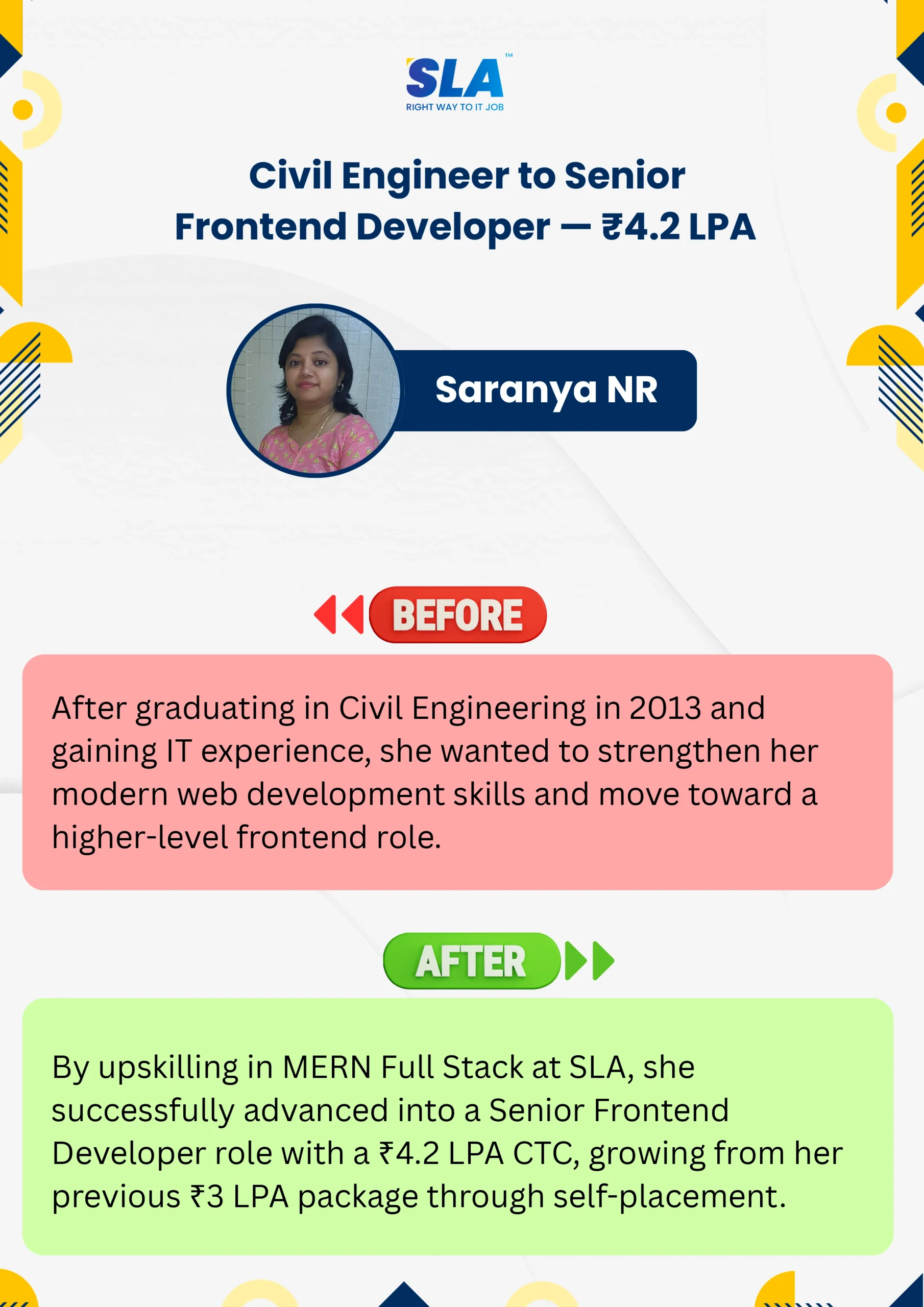
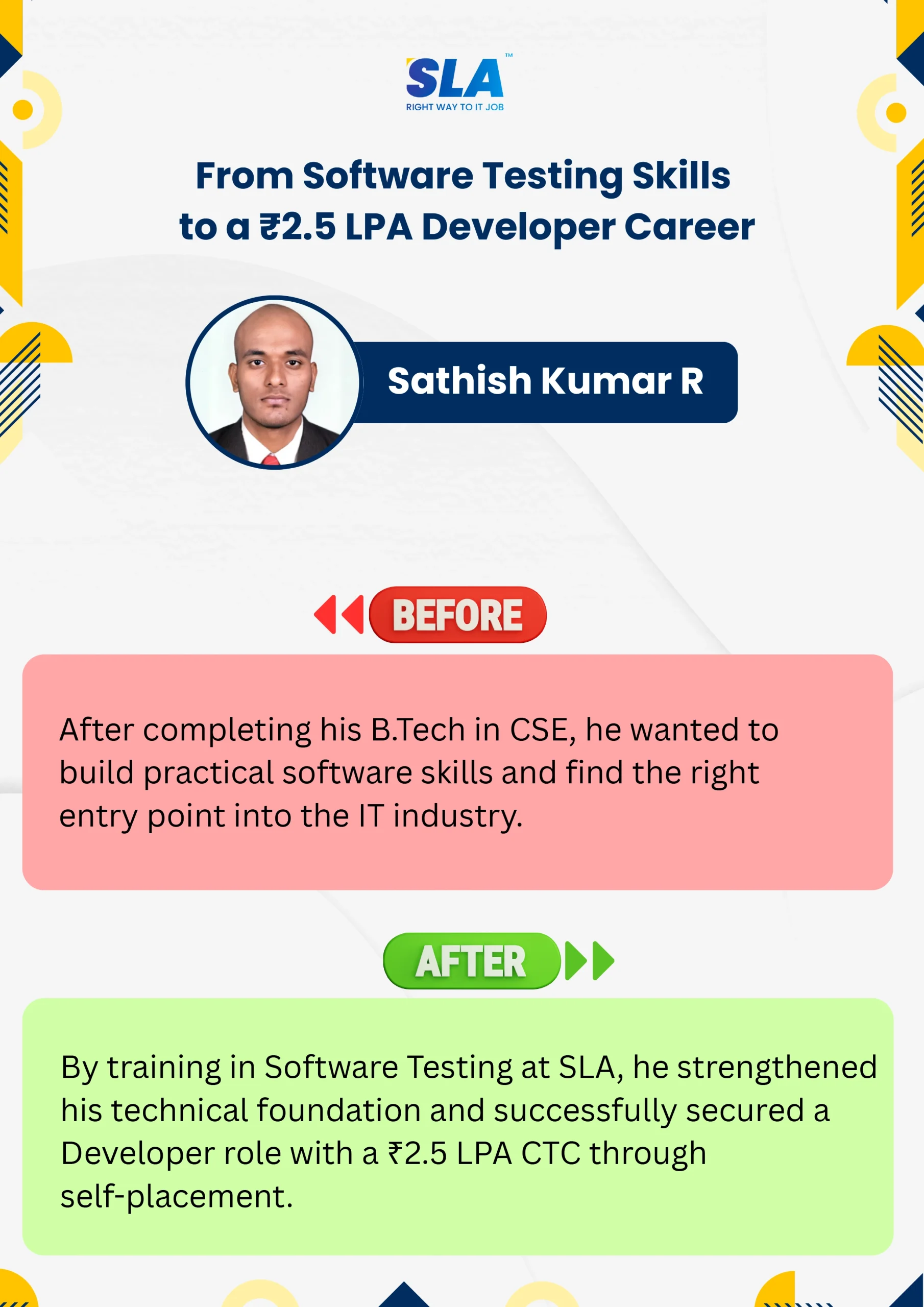
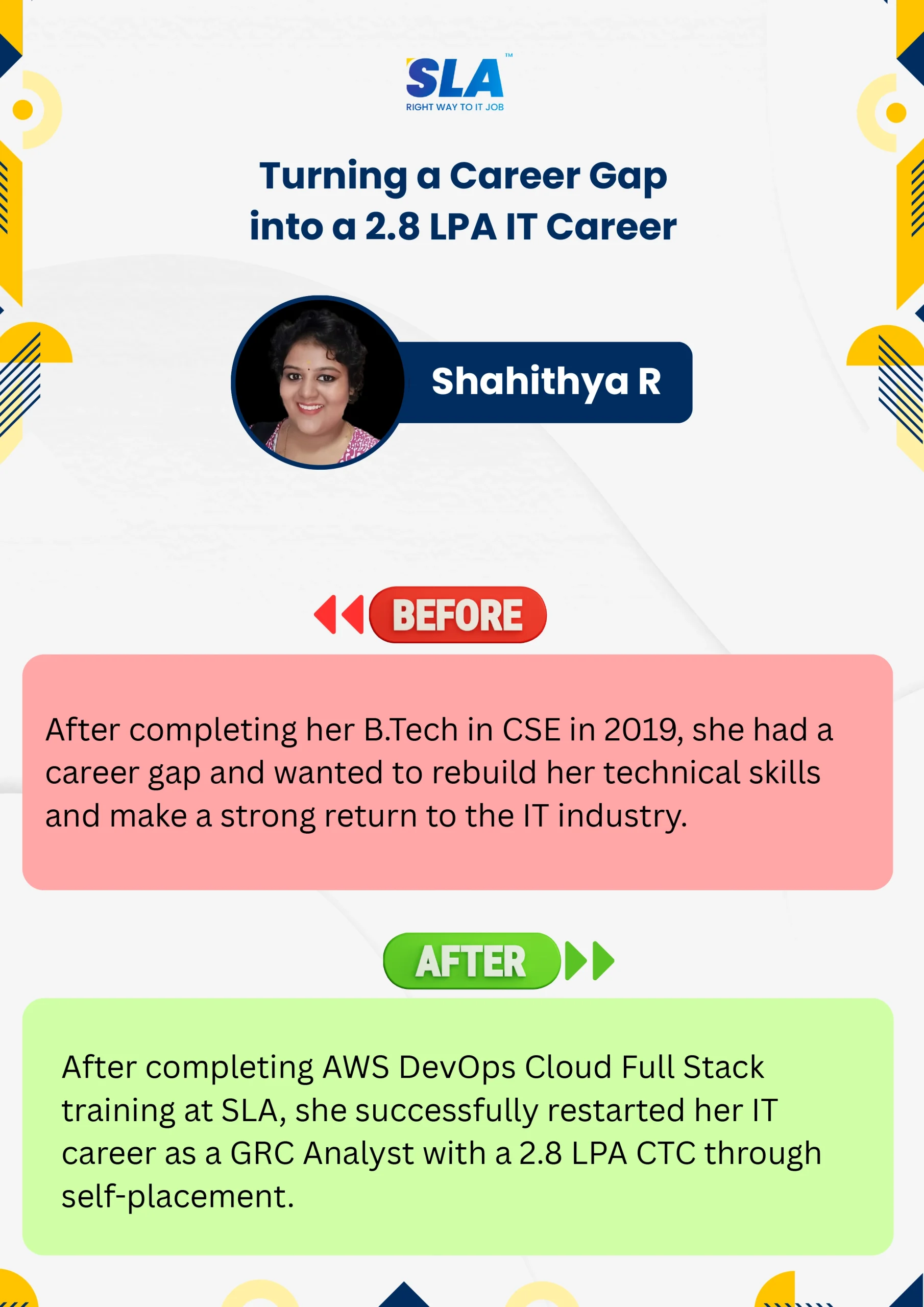
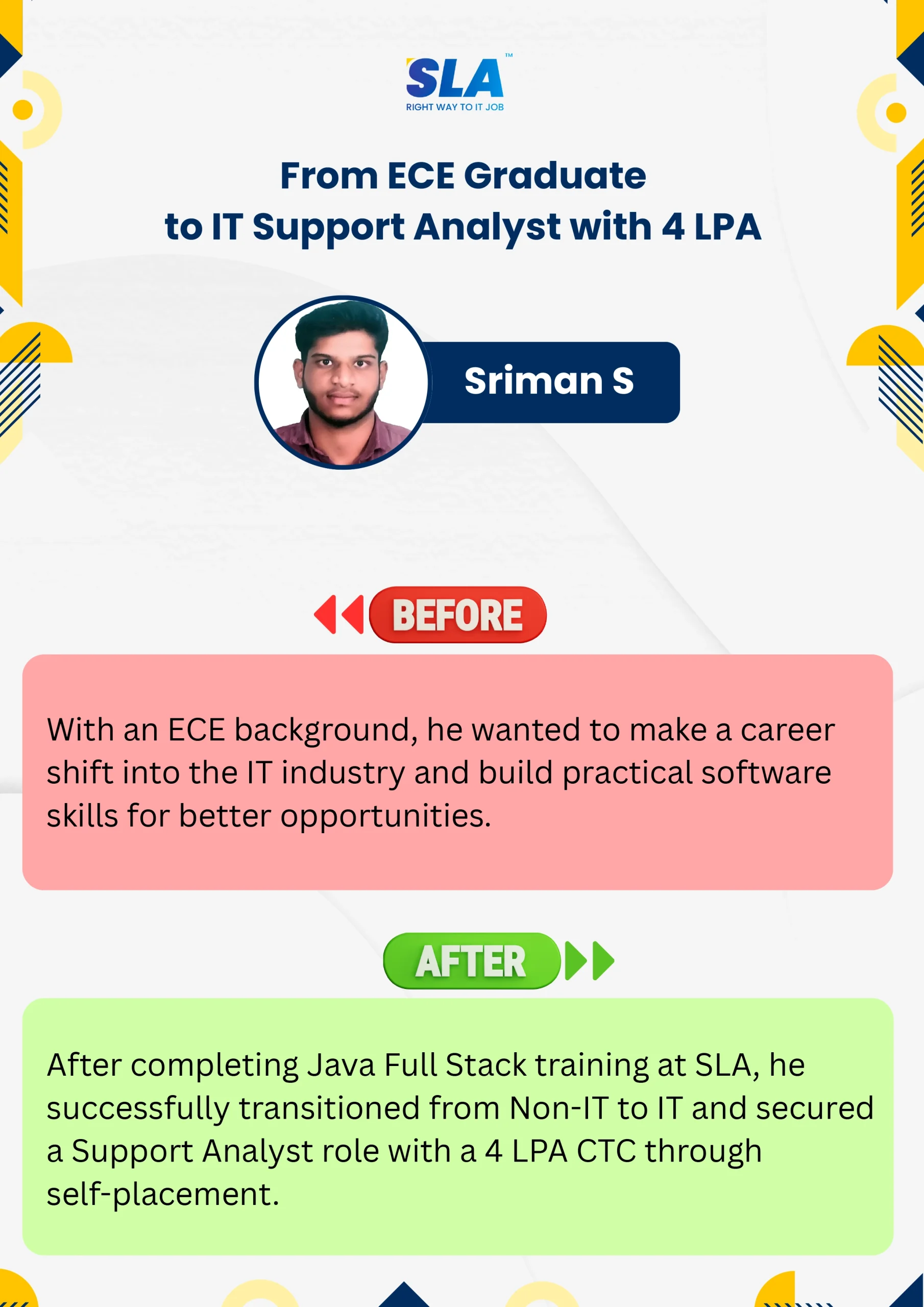
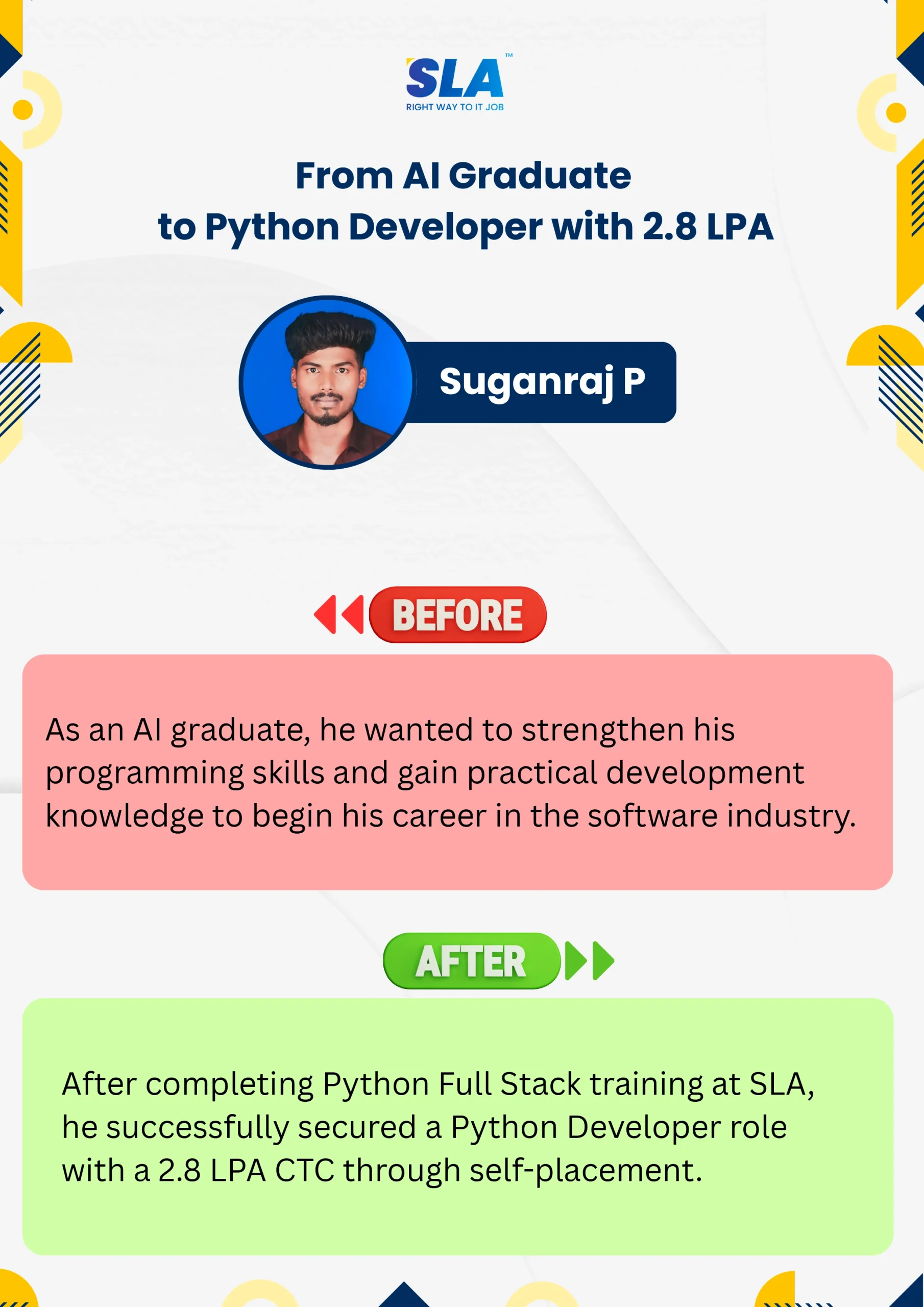
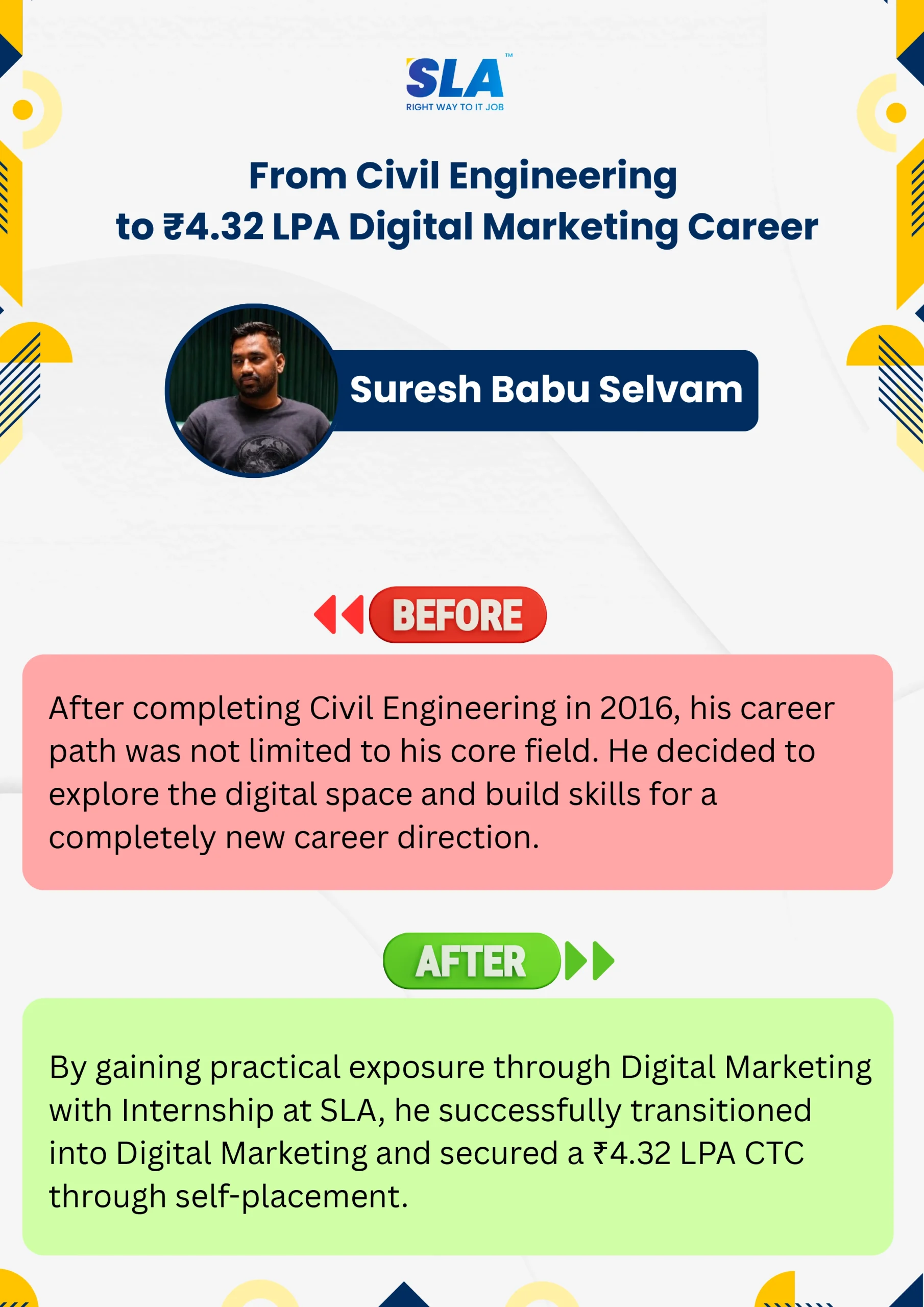
Life Changing Stories

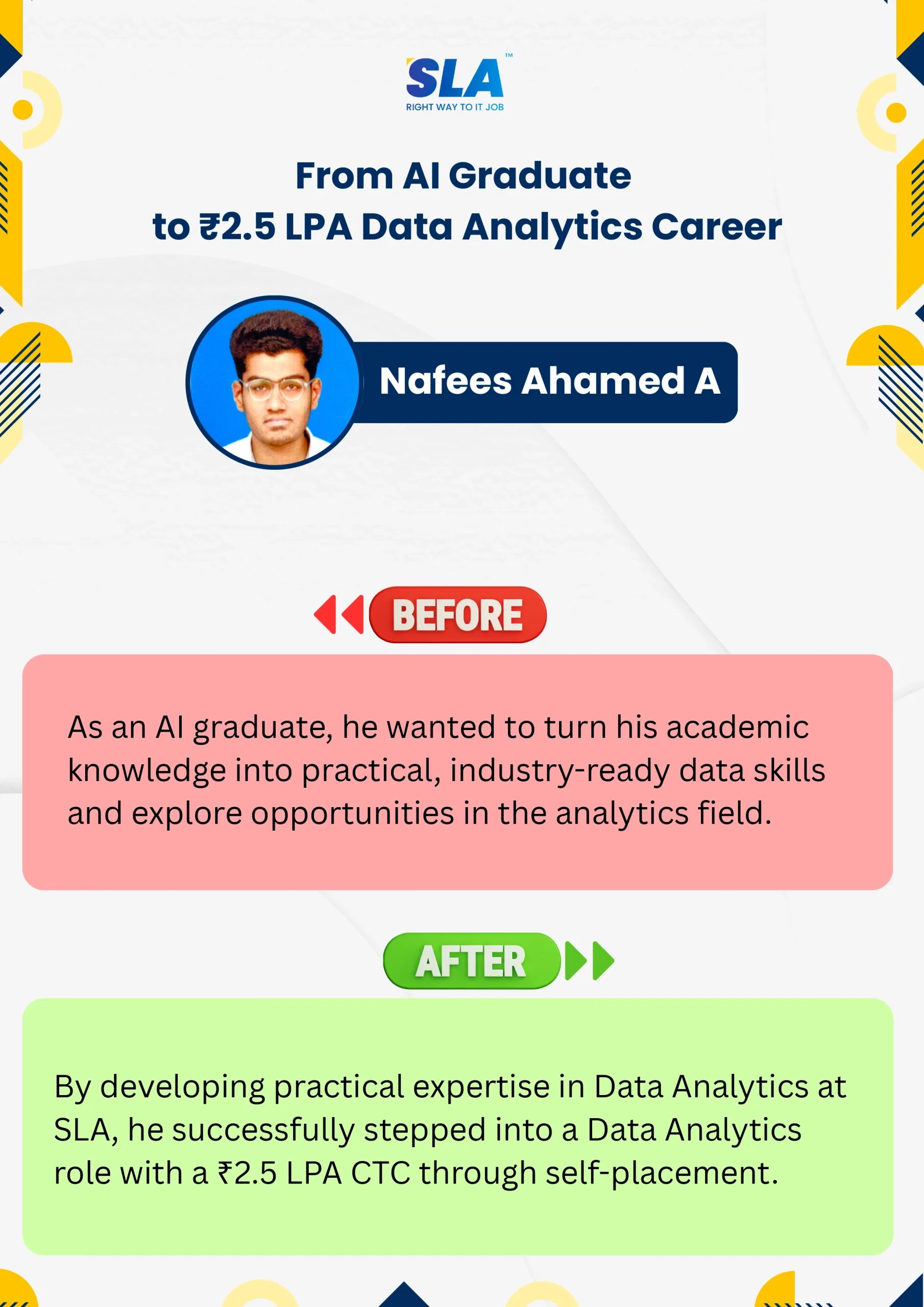
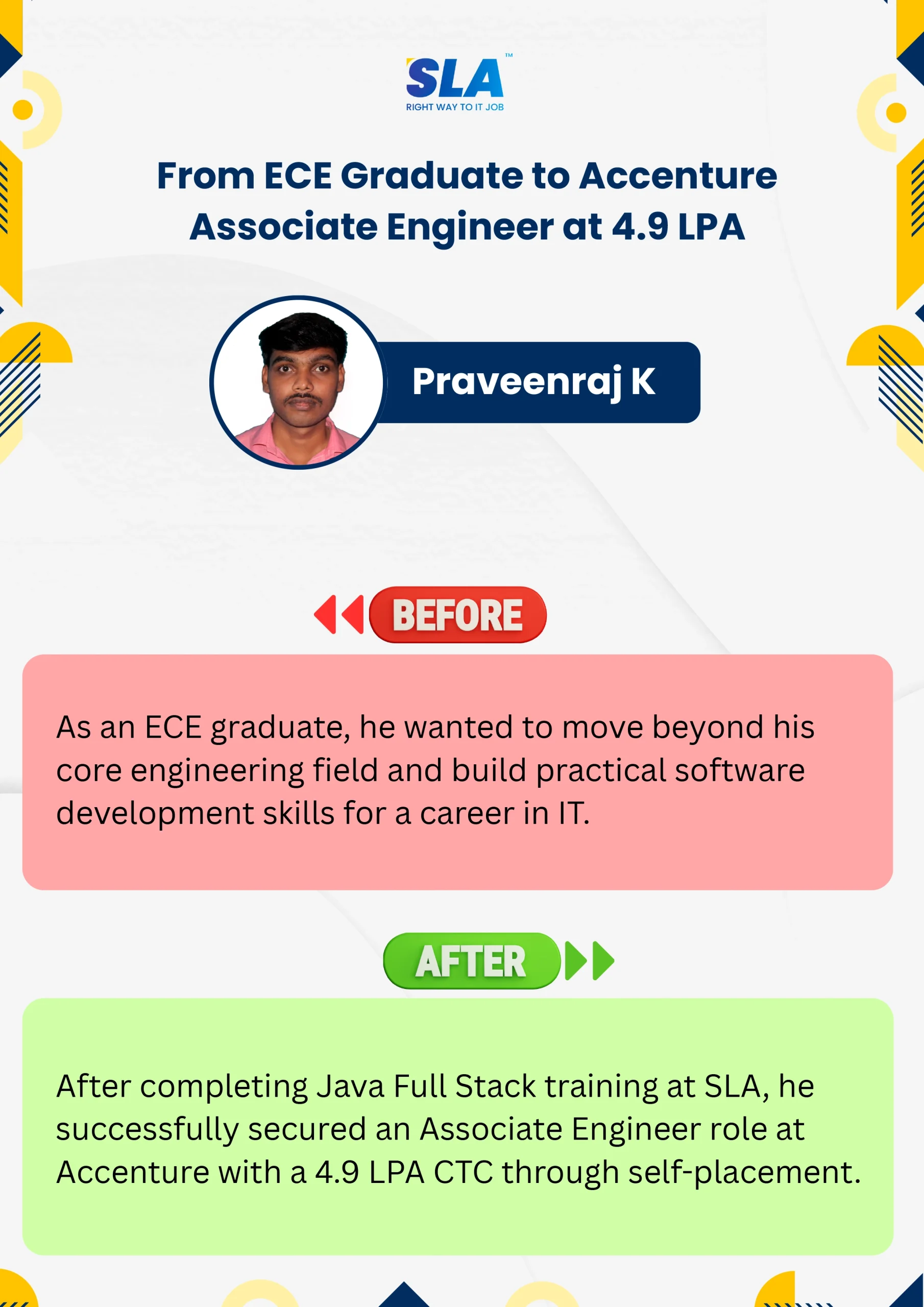
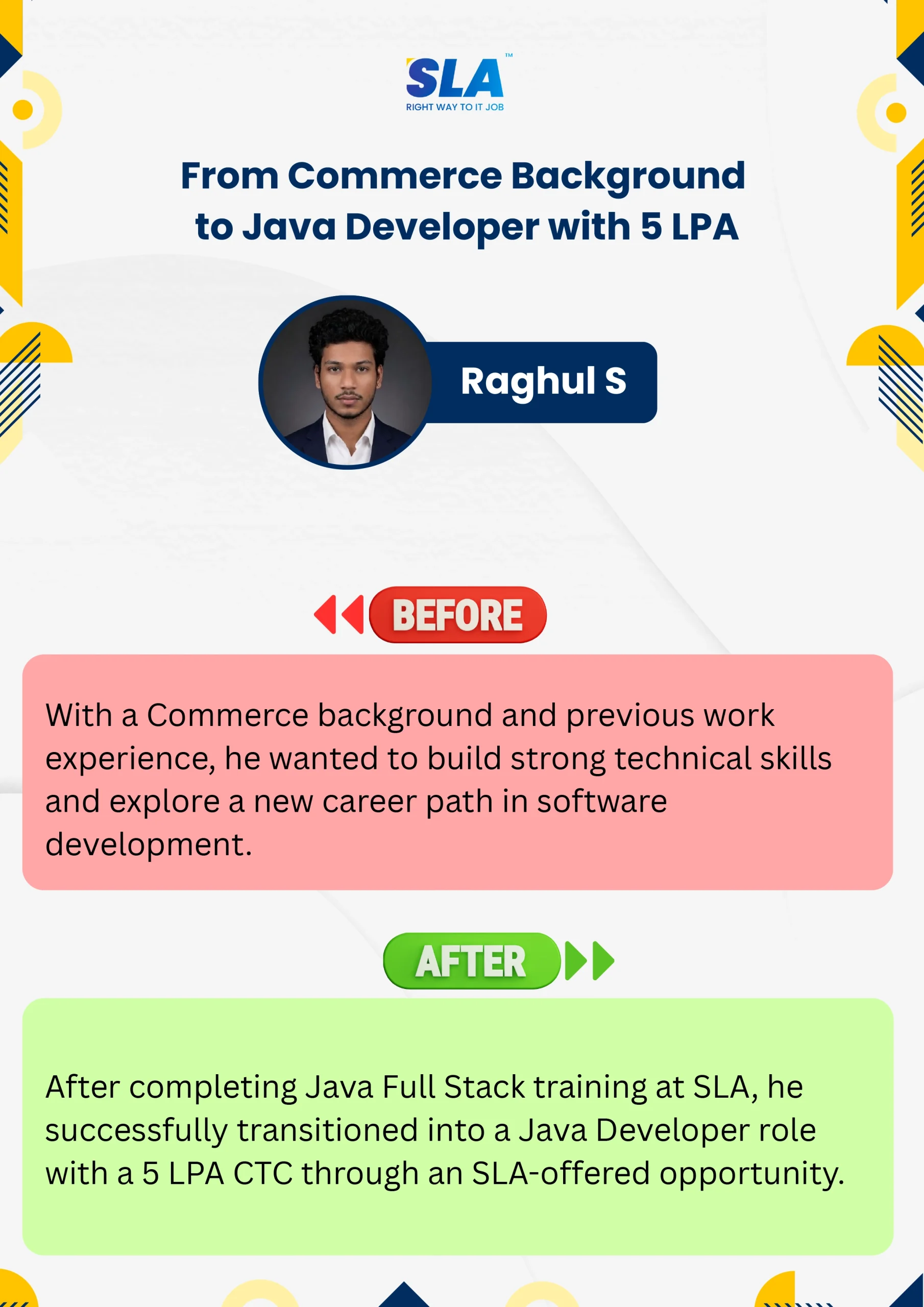
Explore Our Students' Inspiring Leap Stories!

See More Success Stories

Check our Google Reviews

3D Coverflow Carousel
Review Image
Click here to view all Reviews

Syllabus of Devops Online Course

Download Syllabus
  • What Is Devops
  • History of Devops
  • Devops definition
  • DevOps Main Objectives
  • DevOps and Software Development Life Cycle
    • Waterfall Model
    • Agile Model
  • Continuous Integration & Deployment
    • Jenkins
  • Containers and Virtual Development
    • Docker
    • Vagrant
  • Configuration Management Tools
    • Ansible
    • Puppet
    • Chef
  • What is Cloud?
  • Evolution of Cloud Computing
  • IAAS (Infrastructure as a Service)
  • SAAS (Software as a Service)
  • PAAS (Platform as a Service)
  • Private, Public and Hybrid Cloud
  • Public Clouds
    • Amazon Web Services
    • Microsoft Azure
    • Google Cloud Services
  • Linux OS Introduction
  • Importance of Linux in DevOps
  • Linux Basic Command Utilities
  • Linux Administration
  • Environment Variables
  • Networking
  • Linux Server Installation
  • RPM and YUM Installation
  • Introduction
  • Variables
  • Flow Controls
  • Loops
  • Functions
  • Lists
  • Manipulating Strings
  • Reading and Writing Files
  • Positional Parameters
  • Introduction to Jenkins
  • Continuous Integration with Jenkins
  • Configure Jenkins
  • Jenkins Management
  • Scheduling build Jobs
    • POLL SCM
    • Build Periodically
  • Maven Build Scripts
  • Support for the GIT version control System
  • Different types of Jenkins Jobs
  • Jenkins Build Pipe Line
    • Parent and Child Builds
    • Sequential Builds
  • Jenkins Master & Slave Node Configuration
  • Jenkins Workspace Management
  • Securing Jenkins
    • Authentication
    • Authorization
    • Confidentiality
    • Creating Users
  • Jenkins Plugins
    • Installing Jenkins Plugins
    • SCM plugin
    • Build and test
  • GIT Features
  • 3-Tree Architecture
  • GIT – Clone /Commit / Push
  • GIT Hub Projects
  • GIT Hub Management
  • GIT Rebase & Merge
  • GIT Stash, Reset, Checkout
  • GIT Clone, Fetch, Pull
  • Maven Installation
  • Maven Build requirements
  • Maven POM Builds (pom.xml)
  • Maven Build Life Cycle
  • Maven Local Repository (.m2)
  • Maven Global Repository
  • Group ID, Artifact ID, Snapshot
  • Maven Dependencies
  • Maven Plugins
  • Introduction to Ansible
  • Ansible Server Configuration
  • Infrastructure Management
  • SSH Connection in Ansible Master
  • YAML Scripts
  • Host Inventory
    • Hosts and Groups
    • Host Variables
    • Group Variables
    • Host and Group Specific Data
  • Ad-hoc Commands
  • Playbooks
    • Variables
    • Conditionals
    • Loops
    • Blocks
    • Handlers
    • Templates
  • Modules
    • Core Modules
    • Extra Modules
  • Ansible Roles
  • How to get Docker Image?
  • What is Docker Image
  • Docker Installation
  • Working with Docker Containers
    • What is Container
    • Docker Engine
    • Crating Containers with an Image
    • Working with Images
  • Docker Command Line Interphase
  • Docker Compose
  • Docker Hub
  • Docker Trusted Registry
  • Docker swarm
  • Docker attach
  • Docker File & Commands

Objectives of Devops Online Course

Our DevOps training syllabus is fully updated and curated by industry professionals, it will make students master the concept of DevOps in both theoretical and practical sense, it will expose students to interesting topics like: Ansible, puppet, Agile model and more. 

Finally, after finishing the course students will have a total mastery in the all of the concepts in our DevOps training syllabus, some of them are mentioned below:

  • Cloud Computing
  • Linux Basic and Admin
  • Shell Scripting
  • Jenkins and more.
Click Here to Get Started

Highlights of Devops Online Course?

DevOps brings together software development and IT operations to boost teamwork, communication, and automation during the software creation journey. Its goal is to speed up the development process and ensure the steady delivery of top-notch software by encouraging close collaboration between developers and operations staff.

The following are the reasons for learning DevOps:

  • Better Collaboration: DevOps encourages teamwork among development, operations, and other departments involved in delivering software. This teamwork leads to smoother workflows and quicker solutions to problems.
  • Continuous Delivery: DevOps methods enable the continuous integration, testing, and deployment of software updates. This allows teams to release updates frequently, providing value to users more efficiently.
  • Automation: DevOps focuses on automating repetitive tasks like testing, deploying, and setting up infrastructure. This automation boosts efficiency, consistency, and reliability in software development.
  • Enhanced Quality: DevOps integrates testing and feedback loops throughout the development process. This helps catch and address issues early, resulting in better-quality software releases.

There are no prerequisites for any course offered from our institute. We welcome everyone regardless of their past experiences. But having basic knowledge on these prerequisites below can help the individual to learn the course a bit easily:

  • Software Development Basics: Knowing about software development, version control systems like Git, and some programming languages is handy. It helps understand how DevOps integrates code, testing, and deployment.
  • Operating System Knowledge: Understanding Linux and Windows operating systems is crucial. It’s needed for managing servers, setting up environments, and fixing problems in DevOps setups.
  • Networking Skills: Having a grasp of networking concepts such as IP addresses, subnets, DNS, and firewalls is beneficial. It assists in configuring and managing network setups in DevOps environments.

Our DevOps Online training program is suitable for: 

  • Students
  • Job Seekers
  • Freshers
  • IT professionals aiming to enhance their skills
  • Professionals seeking career change
  • Enthusiastic programmers

The DevOps Online certification course fees depend on the program level (basic, intermediate, or advanced) and the course format (online or in-person). On average, the DevOps training course fees come in the range of 20,000 INR – 25,000 INR for 2 months, inclusive of international certification.

The following are some of the jobs related to DevOps:

  • DevOps Engineer
  • Site Reliability Engineer(SRE)
  • Release Manager
  • Automation Architect
  • Cloud Engineer

As per data from AmbitionBox, the DevOps Engineer freshers salary typically with less than 3 years of experience earn approximately ₹4 lakhs – ₹6 lakhs annually. For mid-career DevOps Engineers with 3-4 years of experience, the average annual salary is around ₹7.2 lakhs. An experienced DevOps Engineer with more than 5 years of experience can anticipate an average yearly salary of around ₹11.3 lakhs

Here are several real-time DevOps application:

  • Continuous Integration/Continuous Deployment (CI/CD) Pipelines
  • Infrastructure as Code (IaC)
  • Monitoring and Alerting Systems
  • Incident Management and Response
  • ChatOps

Boost your skills with Devops Online Course with Experts

Our Mentors are from Top Companies like:
  • Our trainers are experienced DevOps Trainer with 5+ years of real time experience in the IT industry.
  • They are expert in online and classroom training delivery in various IT areas.
  • They possess excellent communication, soft skills, and technical skills to help students in various ways.
  • They possess complete understanding of DevOps software tools, workflows, and processes.
  • They have hands on experience in setting up DevOps environment and hence train students in DevOps structure.
  • They have exceptional expertise in configuring and deploying Docker & Kubernetes and are proficient in scripting languages like Python or Bash, which are the basis of DevOps course.
  • They hold good understanding of continuous integration and deployment technologies.
  • They have profound experience in using, building and integrating of version control systems and are capable of identifying automation and resource optimization opportunities.
  • They are pioneers in staying Up-to-date with latest knowledge of DevOps best practices and tools.
  • They possess the ability to deliver high-quality and informative training sessions.
  • They are well versed in building strong and positive relationships with the students and is able to motivate them in complex tasks, assignments, resume making, and interview preparation.
Click Here to Get Started

Explore Real Projects Built by Softlogic Students

Explore the real-world, enterprise-level projects designed and executed by our successful alumni. Gain the same hands-on exposure to live industry projects, build a standout portfolio, and prove your practical skills to top hiring managers instantly.
Orchestration with Kubernetes
Infrastructure as Code
ChatOps Integration
Project Practices for Devops Online Course

Why Softlogic Systems is the Best Choice for Devops Online Course

Crowdfunding Platform
Online & Offline Training Options
Learn at your convenience with flexible classroom and live online training.
Learn from 100+ Real-Time Developers
Get trained by industry professionals with years of hands-on experience.
Voting System with Python Django
Hands-on Projects & Codeathons
Practice with real-time projects and coding challenges to build confidence.
0% EMI Fee Options
Pay your course fees flexibly with easy EMI plans at zero interest.
Resume & Interview Support
Get expert help with resume building, mock interviews, and soft skills.
Placement with Top IT Firms
Access placement opportunities with leading MNCs and IT companies.
1000+ Hiring Partners
Benefit from Softlogic’s strong recruiter network for faster job placement.
No Backdoor Jobs
We ensure only genuine placement opportunities with trusted companies.
Request a Free Callback

Certifications

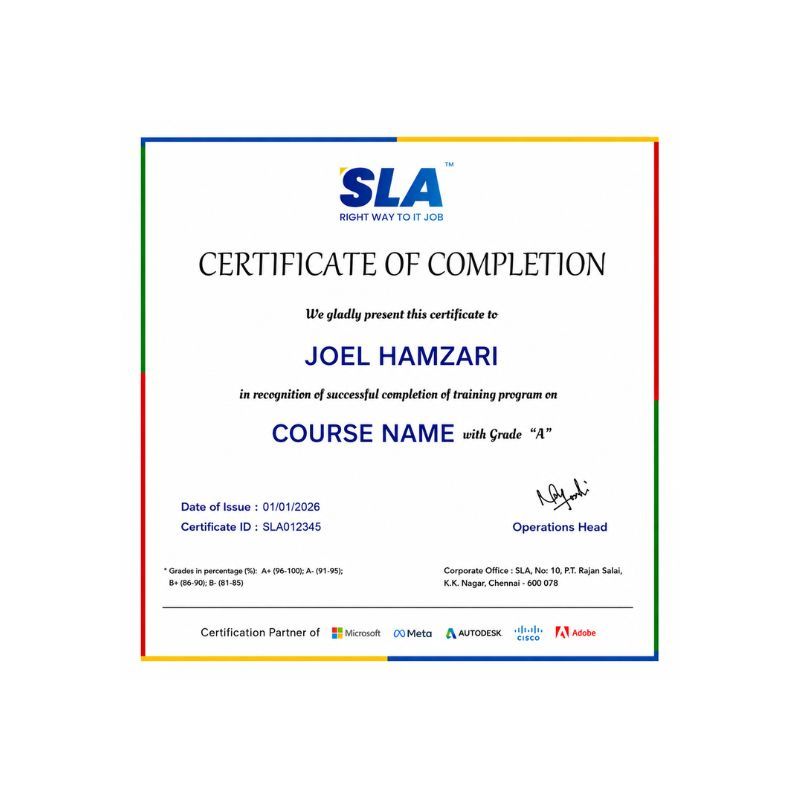
Earn Your Certificate of Completion
Validate your achievements with Softlogic's Certificate of Completion, verifying successful fulfillment of all essential components.
Take Your Career to the Next Level with  Certifications
Get a certifications through our training programs to gain a competitive edge in the industry.
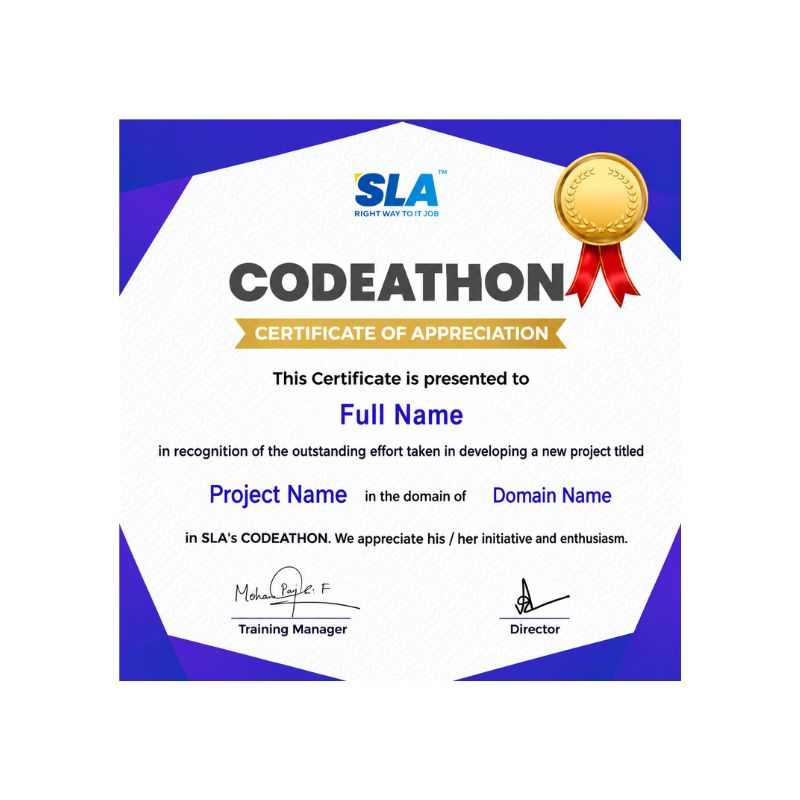
Stand Out from the Crowd with Codethon Certificate
Verify the authenticity of your real-time projects with Softlogic's Codethon certificate.

The Global Edge: Certified Vs. Uncertified

With Global Certification

  • ✅ Visibility in ATS Filters
  • ✅Command Higher Hikes
  • ✅ Verified Skill Proof
  • ✅Global Job Access
  • ✅ Fast-Tracked Senior Roles

Without Global Certification

  • ❌ Stuck in Screening
  • ❌ Lower Starting Pay
  • ❌ Unproven Technical Ability
  • ❌ Limited Local Scope
  • ❌ Slower Career Leader
  •  
Let's take the First Step to a better future! GET Free Career Guidance
The SLA Way to Get Placed

The SLA Way to Get Placed

Seven connected stages, one continuous path from enrollment to your career launch — here is exactly how it works, step by step.

01
🎓

Technical Mastery

Industry-aligned curriculum, daily coding tasks, real-time projects

02
💻

Career Readiness

Aptitude, Communication, ATS-friendly resume optimization

03
🎯

Placement Prep

Aptitude, communication tuning and technical interview mastery.

04
💬

Panel Mock Interviews

Real company-pattern mocks with expert panel feedback.

05
👨‍💼

Interview schedule

Multiple company drives with lifetime placement support.

06
📝

Interview Feedback

Detailed performance analysis and one-on-one guidance.

07
🏆

Launch Your Career

Land your first job with lifetime alumni and career support.

Listen to Our Students' Video Testimonials

FAQ

DevOps is a combination of Development and Operations – it is a software development practice that combines software development (Dev) and IT operations (Ops). It emphasizes communication, collaboration, and integration between software developers and IT professionals.

The two main methodologies used in DevOps are Agile and Lean. Additionally, culture change methodologies such as System Thinking, Feedback loops, and other process improvement methods are commonly used as well.

There are many advantages of using DevOps, such as faster software delivery, improved collaboration, better scalability, and a greater focus on customer satisfaction. Additionally, DevOps can help reduce overall IT costs and improve organizational agility and responsiveness.

The two main types of automation used in DevOps are Continuous Integration (CI) and Continuous Delivery (CD). CI combines code from different parts of the development process, while CD automates the deployment process for easier deployment of updates and changes.

Continuous Integration (CI) is the process of merging code changes from different stages of the development process into a single final product. Continuous Delivery (CD) is an automated process that deploys the final product to production after performing tests and quality checks.

Softlogic Systems offers a variety of DevOps-related training courses and workshops. These include basic DevOps concepts, deployment automation, configuration automation, and continuous integration/continuous delivery (CI/CD) pipelines.

Softlogic Systems conducts DevOps training in both onsite and online classes. For those who can’t attend any of their onsite classes, Softlogic Systems also offers remote & online classes.

The prerequisites for enrolling in DevOps training is the passion to learn new things. Generally, a basic understanding of software development and IT operations is recommended.

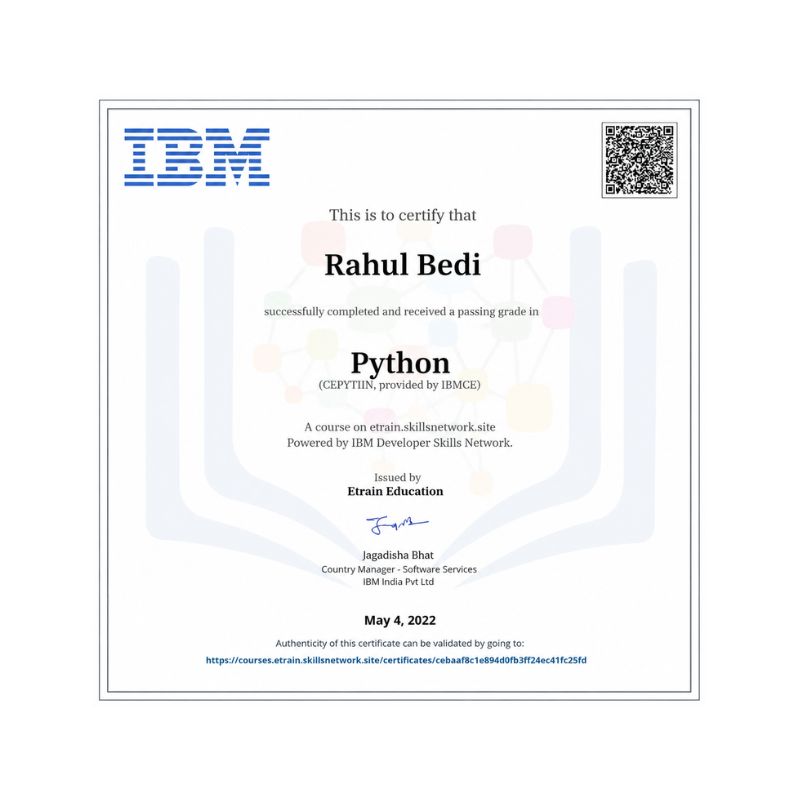
Yes, Softlogic Systems offers a IBM accredited certificate for those students who complete the training course successfully.

Softlogic Systems provides the best DevOps training in Chennai. They provide comprehensive and practical DevOps training courses for professionals seeking to gain an understanding of the practices. Also, it comes with an affordable price and most valued IBM certification.

Related Blogs

Our counselors will share the Syllabus PDF with you via Email / Whatsapp

Get Your Instant Job & Placement Eligibility
Report in Just 30 Seconds!

We are excited to get started with you

Give us your information and we will arange for a free call (at your convenience) with one of our counsellors. You can get all your queries answered before deciding to join SLA and move your career forward.