Our Digital Marketing Online Training programs are designed for students, freshers, and working professionals who want to upskill and stay relevant. We offer Digital Marketing Online Courses that are practical, interactive, and aligned with the latest industry demands. Our Digital Marketing Syllabus Covers the SEO, SEM, social media marketing, content marketing, email marketing, web analytics, and paid advertising campaigns. Enroll now and learn from industry experts with flexible timings and get Job support.
Digital Marketing Online Training
DURATION
3 Months
EMI
0% Interest
Mode
Live Online / Offline
Let's take the first step to becoming an expert in Digital Marketing
100% Placement
Assurance
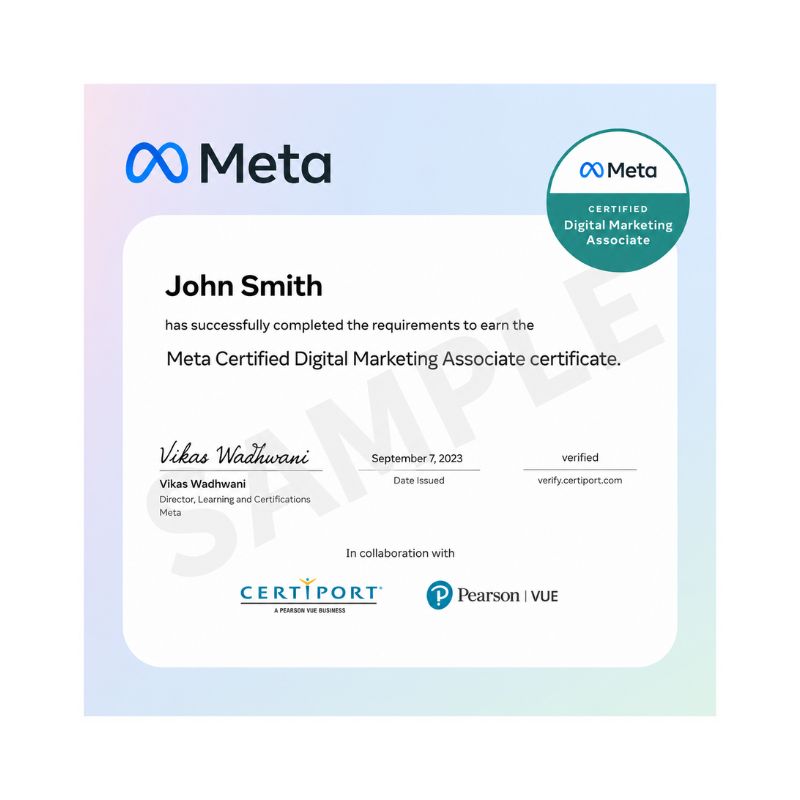
Get Certified
JOB PLACEMENT ELIGIBILITY TEST
Your Placement Eligibility Report
Want more details about Digital Marketing Course?
Course Schedules
Course Syllabus
Course Fees
or any other questions...
Fees, Duration & Batch Timings for Digital Marketing Course
Hands On Training
3-5 Real Time Projects
60-100 Practical Assignments
3+ Assessments / Mock Interviews
July 2026
Week days
(Mon-Fri)
Online/Offline
2 Hours Real Time Interactive Technical Training
1 Hour Aptitude
1 Hour Communication & Soft Skills
(Suitable for Fresh Jobseekers / Non IT to IT transition)
July 2026
Week ends
(Sat-Sun)
Online/Offline
4 Hours Real Time Interactive Technical Training
(Suitable for working IT Professionals)
Save up to 20% in your Course Fee on our Job Seeker Course Series
Syllabus of Digital Marketing Course
MODULE 1: BASICS DIGITAL MARKETING
- Introduction To Online Digital Marketing
- Importance Of Digital Marketing
- How did Internet Marketing work?
- Traditional Vs. Digital Marketing
- Types of Digital Marketing
- Increasing Visibility
- Visitors’ Engagement
- Bringing Targeted Traffic
- Lead Generation
MODULE 2: ANALYSIS AND KEYWORD RESEARCH
- Market Research
- Keyword Research And Analysis
- Types Of Keywords
- Tools Used For Keyword Research
- Localized Keyword Research
- Competitor Website Keyword Analysis
- Choosing Right Keywords To The Project
MODULE 3:
- Introduction To Search Engine Optimization
- How Did Search Engine work?
- SEO Fundamentals & Concepts
- Understanding The SERP
- Google Processing
- Indexing
- Crawling
MODULE 4: ON PAGE OPTIMIZATION
- Domain Selection
- Hosting Selection
- Meta Data Optimization
- URL Optimization
- Internal Linking
- 301 Redirection
- 404 Error Pages
- Canonical Implementation
- H1, H2, H3 Tags Optimization
- Image Optimization
- Landing Page Optimization
- No-Follow And Do-Follow
- Creating XML Sitemap
- txt
MODULE 5: OFF PAGE OPTIMIZATION
- Link Building Tips & Techniques
- Difference Between White Hat And Black Hat SEO
- Alexa Rank, Domain
- Link Acquisition Techniques
- Directory Submission
- Social Bookmarking Submission
- Search Engine Submission
- Web 2.0 Submission
- Article Submission
- Image Submission
- Video Submission
- Forum Submission
- PPT Submission
- PDF Submission
- Classified Submission
- Business Listing
- Blog Commenting
- Citations
- Profile link creations
- Infographics Submission
MODULE 6: SEO UPDATES AND ANALYSIS
- Google Panda,
- Penguin,
- Humming Bird Algorithm
- Google Penalties
- SEO Tools For Website Analysis And Optimization
- Competitor Website Analysis And Backlinks Building
- Backlinks Tracking, Monitoring, And Reporting
MODULE 7: LOCAL BUSINESS & GOOGLE MAPPING
- Creating Local Listing In Search Engine
- Google Places Setup (Including Images, Videos, Map Etc)
- Search Engine Visibility Reports
- Verification Of Listing
- Google Reviews
MODULE 8: GOOGLE ADWORDS OR PAY PER CLICK MARKETING (SEM)
- Google Adwords
- Introduction To Online Advertising And Adwords
- Adwords Account And Campaign Basics
- Ad-words Targeting And Placement
- Ad_words Bidding And Budgeting
- Ad words Tools
- Opportunities
- Optimizing Performance
- Ads Type
- Bidding Strategies
- Search Network
- Display Network
- Shopping Ads
- Video Ads
- Universal App Ads
- Tracking Script
- Remarketing
- Performance Monitoring
- Reports
MODULE 9: SOCIAL MEDIA OPTIMIZATION (SMO)
- Social Media Optimization
- Introduction To Social Media Networks
- Types Of Social Media Websites
- Social Media Optimization Concepts
- Facebook, Google+, LinkedIn,
- YouTube, Pinterest,
- Hashtags
- Image Optimization
MODULE 10: SOCIAL MEDIA MARKETING (SMM)
- Facebook Optimization
- Fan Page Vs Profile Vs Group
- Creating Facebook Page For Business
- Increasing Fans And Doing Marketing
- Facebook Analytics
- Facebook Advertising And Its Types In Detail
- Creating Advertising Campaigns,
- Payment Modes
- Introduction To Twitter
- Creating Strong Profiles On Twitter
- Followers, ReTweets, Clicks,
- Conversions, HashTags
- LinkedIn Optimization
- What Is LinkedIn?
- Individual Profile Vs. Company Profile
- Branding On LinkedIn
- Marketing On LinkedIn Groups
- Google Plus
- Tools & Techniques
- Google + Groups
- Google Plus For Businesses
MODULE 11: GOOGLE WEB ANALYTICS
- Getting Started With Google Analytics
- Navigating Google Analytics
- Real-Time Monitoring
- Audience
- Acquisition
- Traffic Sources
- Behavior
- Content
- Visitors
- Live Data
- Demographics
MODULE 12: WEBMASTER TOOLS
- Adding site and verification
- Setting Geo-target location
- Search queries analysis
- Filtering search queries
- External Links report
- Crawls stats and Errors
- Sitemaps
- txt and Links Removal
- HTML Suggestion
MODULE 13: CREATING A NEW SIMPLE WEBSITE
- Creating A Simple Website For Your Business
MODULE 14: INTERVIEW PREPARATION
- Resume Preparation
- Interview Question Preparation
Objectives of Digital Marketing Training
Our Digital Marketing Online Training is the best gateway to learn digital marketing, because it has a world class syllabus, which was curated by the leading expert professionals in the IT industry. This makes the syllabus reliable. The syllabus also has newer topics that will help students learn the subject more deeply and easily. Some of those topics in the curriculum is discussed below:
- The course begins with basic topics like Introduction to digital marketing, types of digital marketing, visitor’s engagement etc to get inexperienced students accustomed to the course.
- The course then moves onto topics like Search Engine Optimization (SEO), Indexing, Crawling, On-page Optimization, Off Page Optimization etc.
- The course finally moves onto some of the advanced topics like SEM, Social Media Optimization, Social Media Marketing, Google Web Analytics etc.
Why Softlogic Systems is the Best Choice for Digital Marketing Training – Learn, Practice, and Get Placed!
Online & Offline Training Options
Learn from 100+ Real-Time Developers
Hands-on Projects & Codeathons
0% EMI Fee Options
Resume & Interview Support
Placement with Top IT Firms
1000+ Hiring Partners
No Backdoor Jobs
Highlights of Digital Marketing Course
What is Digital Marketing?
Digital marketing comprises various tactics and channels leveraging electronic devices and the internet to engage current and potential customers. It targets audiences online through platforms like search engines, social media, email, websites, and mobile apps to drive traffic, generate leads, and convert them into customers.
What are the reasons for learning Digital Marketing?
The following are the reasons for learning Digital Marketing:
- Engagement and Interaction: Digital marketing lets you directly connect with customers on platforms like social media and email, helping to build relationships and loyalty.
- Adaptability: The digital world is always changing, bringing new chances and challenges; by learning digital marketing, you can keep up with the latest trends and technology, staying competitive.
- Personal Branding: If you want to create your own personal brand or work as a freelancer, digital marketing skills are really useful; places like social media and personal websites are great for showing off your talents and making connections.
What are the prerequisites for learning Digital Marketing Online Training?
SLA does not demand any prerequisites for any courses as all the courses cover topics from fundamental to advanced level. However having a basic knowledge on these below topics can be beneficial in learning Digital Marketing easily:
- Basic Computer Skills: You need to know how to use the internet, send emails, and work with common computer programs.
- Strong Communication Skills: It’s important to communicate well in both writing and speaking to create interesting content and connect with people effectively.
- Analytical Skills: Being able to understand data and use it to see how well your marketing is working is really useful.
Our Digital Marketing Course is suitable for:
- Students
- Job Seekers
- Freshers
- IT professionals aiming to enhance their skills
- Professionals seeking career change
- Enthusiastic programmers
What are the course fees and duration?
The Digital Marketing course fees depend on the program level (basic, intermediate, or advanced) and the course format (online or in-person).On average, the Digital Marketing course fees come in the range of ₹45,000 to ₹50,000 INR for 3 months, inclusive of international certification. For some of the most precise and up-to-date details on fees, duration, and certified Digital Marketing certification, kindly contact our Best Placement Training Institute in Chennai directly.
What are some of the jobs related to Digital Marketing?
The following are some of the jobs related to Digital Marketing:
- Digital Marketing Specialist
- Social Media Manager
- Content Marketer
- SEO Specialist
What is the salary range for the position of Social Media Manager?
The Social Media Manager freshers salary typically with less than 2 years of experience earn approximately ₹4-5 lakhs annually. For a mid-career Social Media Manager with around 4 years of experience, the average annual salary is around ₹6-7 lakhs. An experienced Social Media Manager with more than 6 years of experience can anticipate an average yearly salary of around ₹7-8 lakhs. Visit SLA for more courses.
List a few real time Digital Marketing applications.
Here are several real time Digital Marketing applications:
- Social Media Campaign Management
- Search Engine Optimization (SEO) Audit
- Email Marketing Campaign
- Pay-Per-Click (PPC) Advertising Campaign
Boost Your Skills with Our Digital Marketing Training Experts
Our Mentors are from Top Companies like:
The following are our trainer’s profile for the Digital Marketing Online Training:
- Our Digital Marketing instructors are highly knowledgeable in public relations, media communications, and various digital marketing facets.
- They are seasoned professionals with a deep understanding of marketing dynamics, having managed diverse digital campaigns spanning from SEO to content marketing.
- With practical experience in online marketing tools, content management systems, social media platforms, and analytics, our trainers foster an engaging learning atmosphere by incorporating real-world scenarios, case studies, and projects.
- They guide students in identifying digital marketing opportunities and devising effective strategies to capitalize on them.
- Our trainers remain updated on advertising platforms such as Google Ads, Facebook Ads, programmatic buying, SEO, social media marketing, online reputation management, and web analytics.
- They offer valuable guidance to help learners cultivate advanced digital marketing skills and make informed career decisions.
- Possessing strong project management abilities and adeptness in teamwork, they ensure students gain a comprehensive understanding of the digital marketing landscape.
- Committed to unlocking students’ potential and equipping them for the ever-evolving job market, our trainers are dedicated to delivering top-notch education.
What Modes of Training are available for Digital Marketing Course?
Offline / Classroom Training
- Direct Interaction with the Trainer
- Clarify doubts then and there
- Airconditioned Premium Classrooms and Lab with all amenities
- Codeathon Practices
- Direct Aptitude Training
- Live Interview Skills Training
- Direct Panel Mock Interviews
- Campus Drives
- 100% Placement Support
Online Training
- No Recorded Sessions
- Live Virtual Interaction with the Trainer
- Clarify doubts then and there virtually
- Live Virtual Interview Skills Training
- Live Virtual Aptitude Training
- Online Panel Mock Interviews
- 100% Placement Support
Corporate Training
- Industry endorsed Skilled Faculties
- Flexible Pricing Options
- Customized Syllabus
- 12X6 Assistance and Support
Certifications
Improve your abilities to get access to rewarding possibilities
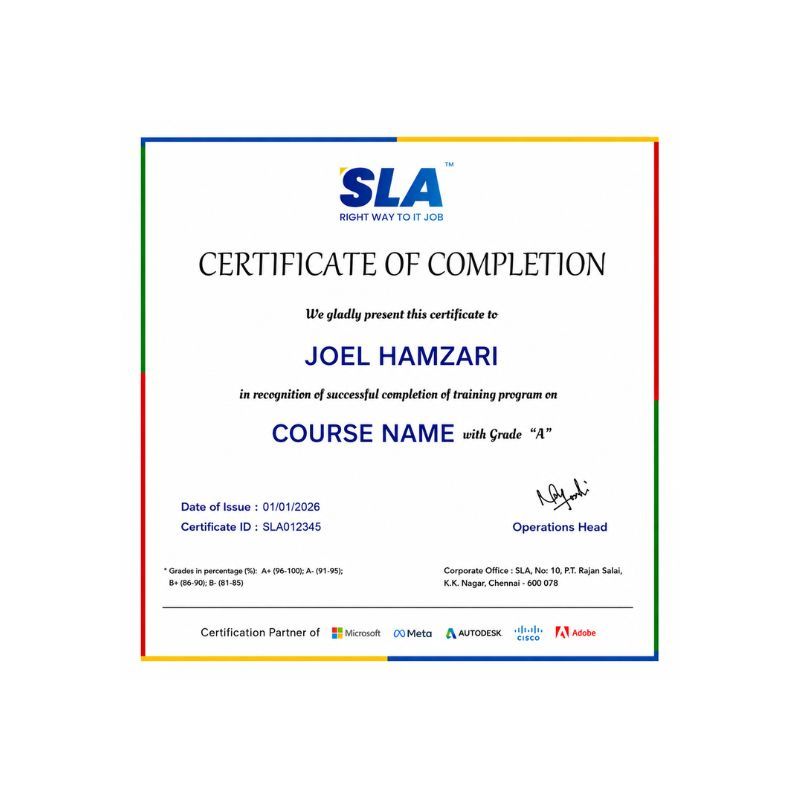
Earn Your Certificate of Completion
Take Your Career to the Next Level with Certifications
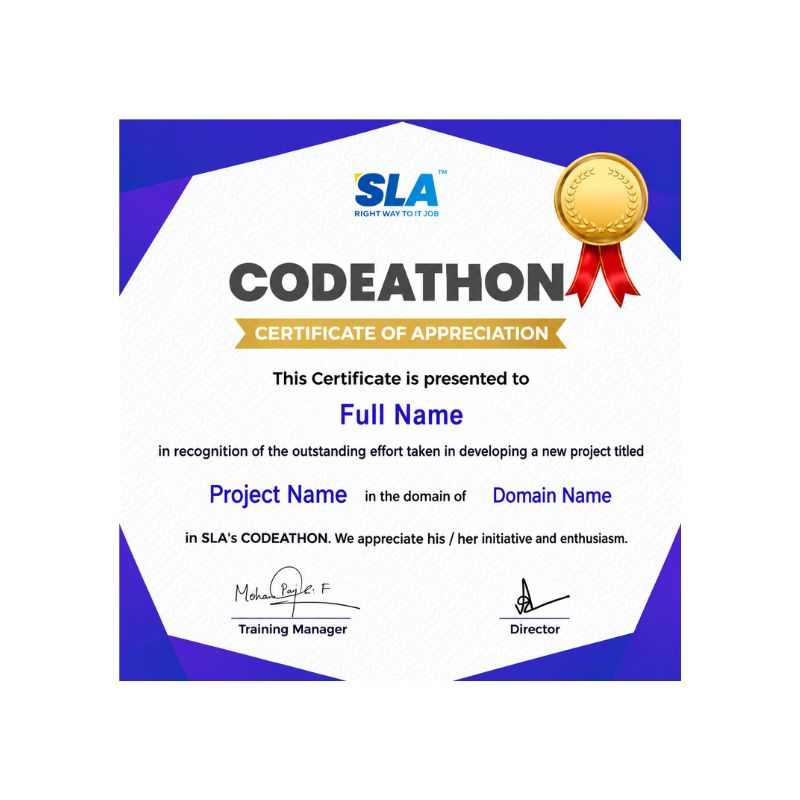
Stand Out from the Crowd with Codethon Certificate
Hands-on Project Practices in Digital Marketing Course
Online Reputation Management Strategy
Influencer Marketing Collaboration
Conversion Rate Optimization (CRO) Experiment
Social Media Engagement Analysis
Content Creation and Distribution
PPC Advertising Campaign
Email Marketing Campaign
SEO Audit and Optimization
Social Media Content Calendar
The SLA Way to Get Placed in Top IT Companies
Enrollment
Technology Training
Realtime Projects
Placement Training
Interview Skills
Panel Mock
Interview
Unlimited
Interviews
Interview
Feedback
100%
IT Career
Placement Support for a Digital Marketing Job
Genuine Placements. No Backdoor Jobs at Softlogic Systems.
Aptitude Training
from Day 1
Interview Skills
from Day 1
Softskills Training
from Day 1
Build Your Resume
Build your LinkedIn Profile
Build your GitHub
digital portfolio
Panel Mock Interview
Unlimited Interviews until you get placed
Life Long Placement Support at no cost
FAQs
How many branches does SLA have?
SLA has two branches currently, one is in Navalur OMR, and another is in K.K. Nagar.
What is the unique feature of SLA’s OMR branch?
SLA’s OMR branch gives its students a lot of opportunity in both internships and placements because of the fact that it is situated in the middle of OMR’s IT hub.
Is SLA equipped enough to conduct online classes?
SLA is equipped with sufficient resources like smart computers, tech-enabled classrooms to conduct online classes without interruptions.
Does SLA accept EMI?
Yes, SLA offers EMI with 0% interest.
What type of payment methods does SLA accept?
SLA accepts all types of payment methods starting from cash, cheque, cards, EMI, to UPI payments.
What does the canonical tag do in SEO, and why is it important for managing duplicate content?
The canonical tag in SEO tells search engines which version of a web page is preferred when there are multiple URLs with similar content, preventing ranking dilution.
What are UTM parameters, and how do they help track traffic sources in digital marketing campaigns?
UTM parameters are tags added to URLs to track the effectiveness of marketing campaigns, providing insights into where website traffic comes from.
What is cross-device tracking in digital marketing, and how is user continuity maintained across different devices?
Cross-device tracking helps marketers understand how users interact with content and ads across various devices, linking user identities to track their journey seamlessly.
What is A/B testing, and how does it improve digital marketing campaigns? Give examples of elements that can be tested.
A/B testing compares two versions (A and B) of a webpage, email, or ad to see which one performs better in achieving goals like conversion rate or click-through rate. Elements tested can include headlines, CTAs, images, layouts, and messaging.
Why is load speed optimization important for websites in digital marketing, and what techniques improve page load times?
Load speed optimization is crucial for user satisfaction and SEO rankings, with techniques like image optimization, CSS and JavaScript minification, browser caching, and CDN implementation significantly improving load times.
Additional Information for
the Digital Marketing Course
History of Digital Marketing
- 1970s-1980s: Digital marketing started with basic computer technology and simple online communication like email and bulletin boards. Companies began using computers for direct marketing experiments.
- 1990s: The internet became public, leading to the first websites and online platforms. Email marketing became popular, and businesses explored new ways to connect with customers online.
- 2000s: Search engines like Google changed how people find information online, giving rise to SEO. Businesses worked on getting better visibility in search results.
- Mid-2000s: Social media platforms like MySpace, Facebook, and Twitter changed online interaction. Social media marketing became important for engaging with customers and building brands.
- Late 2000s-2010s: The rise of smartphones and mobile devices led to mobile marketing strategies like ads and apps. Content marketing also became popular as businesses focused on creating valuable content for online audiences.
- 2010s-Present: The digital marketing landscape kept changing with new technologies like AI, machine learning, AR, and VR. Personalization and data-driven marketing became crucial for delivering relevant experiences to customers.