
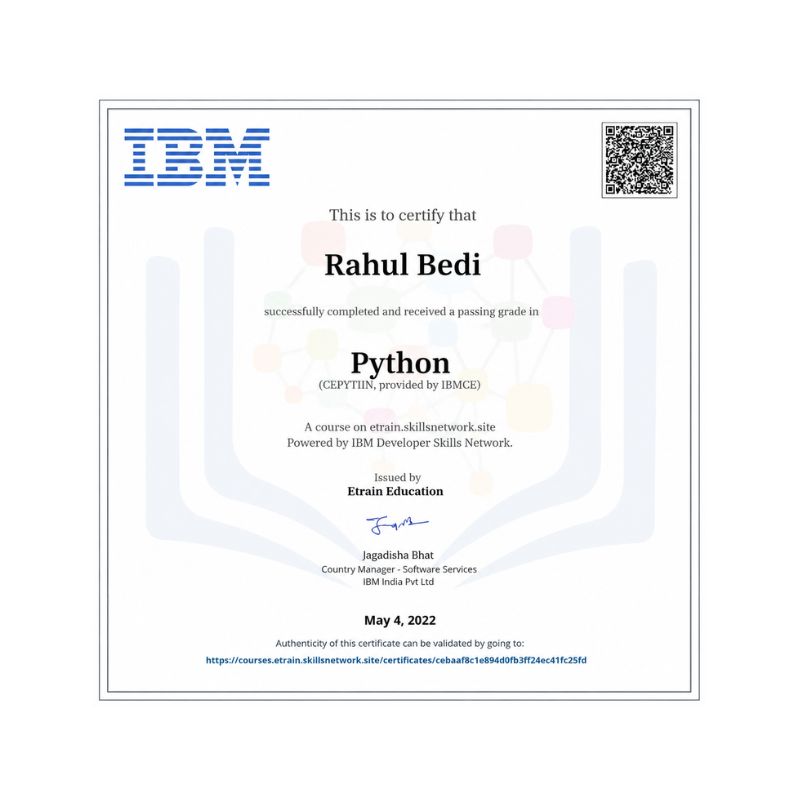
Softlogic is one of the Top Training institutes for Data Science with Python. Learn how to use Data Science with Python, from beginner basics to advanced techniques. Our Data Science with Python Syllabus covers the Python fundamentals, data manipulation with Pandas, numerical computing with NumPy, data visualization with Matplotlib and Seaborn, statistical analysis, and implementing machine learning models with scikit-learn. We offer a Data Science with Python Course with Placement Assistance, Mock interviews, Resume building, and certification.
Data Science With Python Training
DURATION
3 Months
EMI
0% Interest
Mode
Live Online / Offline
Let's take the first step to becoming an expert in Data Science with Python
100% Placement
Assurance
Get Certified
JOB PLACEMENT ELIGIBILITY TEST
Your Placement Eligibility Report
Want more details about Data Science with Python Course?
Course Schedules
Course Syllabus
Course Fees
or any other questions...
Fees, Duration & Batch Timings for Data Science with Python Course
Hands On Training
3-5 Real Time Projects
60-100 Practical Assignments
3+ Assessments / Mock Interviews
July 2026
Week days
(Mon-Fri)
Online/Offline
2 Hours Real Time Interactive Technical Training
1 Hour Aptitude
1 Hour Communication & Soft Skills
(Suitable for Fresh Jobseekers / Non IT to IT transition)
July 2026
Week ends
(Sat-Sun)
Online/Offline
4 Hours Real Time Interactive Technical Training
(Suitable for working IT Professionals)
Save up to 20% in your Course Fee on our Job Seeker Course Series
Syllabus of Data Science with Python Course
Python – Overview
- A brief history of python
- Application and trends in python
- Available python versions
Python – Environment Setup
- Getting and installing python
- Environmental variables and idle
- Executing python from command line
Fundamentals
- I/o
- Naming conventions
- Datatypes:
- Numbers
- String
- List
- Tuple
- Dictionary
- Set
Python Operators
- List, Tuple, Dictionary, Set Methods
- Statements: If, elif, Break, Continue
- Loops: For loop, while loop
- Functions
Oops Concepts:
- Class and objects
- Getters and setters
- Properties
- Inheritance
- Polymorphism
- Special Functions of Python: Lambda, Map, Reduce, Filter
Modules in Python:
- Math
- Arrow
- Geopy
- Beautiful soup
- Numpy
- Sys
- Os
Multithreading:
- Introducing threads and life cycles
- Priorities
- Dead Locks
Exceptional Handling
- Errors
- Runtime errors
- Exceptional model
- Exceptional hierarchy
- Handling multiple exception
- Raise exceptions
File Handling
- Text files
- Csv files
Regular Expressions
- Simple character matches
- Flags, quantifers, greedy matches
- Grouping and matching objects
- Matching at beginning or end
- Substituting and splitting a string
- Compiling regular expressions
Gui Interfacing: Tkinter
- Widgets
- Integrated application
- Mysql/with application
- Converting .exe
Datascience Modules:
- pandas
- numpy
- scipy
- matplotlib
Python Data Processing
- Python Data Operations
- Python Data cleansing
- Python Processing CSV Data
- Python Processing JSON Data
- Python Processing XLS Data
- Python Relational databases
- Python NoSQL Databases
- Python Date and Time
- Python Data Wrangling
- Python Data Aggregation
- Python Reading HTML Pages
- Python Processing Unstructured Data
- Python word tokenization
- Python Stemming and Lemmatization
Python Data Visualization
- Python Chart Properties
- Python Chart Styling
- Python Box Plots
- Python Heat Maps
- Python Scatter Plots
- Python Bubble Charts
- Python 3D Charts
- Python Time Series
- Python Geographical Data
- Python Graph Data
Statistical Data Analysis
- Python Measuring Central Tendency
- Python Measuring Variance
- Python Normal Distribution
- Python Binomial Distribution
- Python Poisson Distribution
- Python Bernoulli Distribution
- Python P-Value
- Python Correlation
- Python Chi-square Test
- Python Linear Regression
Objectives of Data Science with Python Training
The Data Science with Python Training will cover all the topics ranging from fundamental to advanced concepts, which will make it easy for students to grasp Data Science with Python. The Data Science with Python Course Curriculum is composed of some of the most useful and rare concepts that will surely give students a complete understanding of Data Science with Python as well. So, some of those curriculum are discussed below as objectives:
- To make students well-versed in fundamental concepts of Data Science with Python like – Brief History of Python, Python Environment Set Up, Python Operators, OOPs concepts, Modules in Python etc.
- To make students more aware of Data Science with Python by learning concepts like – Exception Handling, File Handling, Regular Expressions, Tkinter etc.
- To make students more knowledgeable in advanced concepts of Data Science with Python like – Python Data Processing, Python Data Visualization, Statistical Data Analysis – Python Measuring Central Tendency, Python Measuring Variance, Python Normal Distribution etc.
Why Softlogic Systems is the Best Choice for Data Science with Python Training – Learn, Practice, and Get Placed!
Online & Offline Training Options
Learn from 100+ Real-Time Developers
Hands-on Projects & Codeathons
0% EMI Fee Options
Resume & Interview Support
Placement with Top IT Firms
1000+ Hiring Partners
No Backdoor Jobs
Highlights of Data Science with Python Course
What is Data Science with Python?
Data Science with Python involves leveraging Python for analyzing data, building predictive models, and extracting insights. Key areas include data collection and cleaning with Pandas, exploratory analysis with Matplotlib and Seaborn, machine learning with Scikit-learn, and deploying models with Flask. Python’s libraries facilitate comprehensive data manipulation and visualization.
What is Data Science with Python Full Stack?
Data Science with Python Full Stack encompasses every phase of a data science project using Python, including data acquisition, cleaning, and transformation. It involves exploratory analysis with tools like Matplotlib and Seaborn, machine learning with Scikit-learn and TensorFlow, and deployment through frameworks like Flask or Django, with ongoing monitoring and updates.
What are the reasons for learning Data Science with Python?
The following are the reasons for learning Data Science with Python:
- Flexibility: Python is adaptable and extensively used in various aspects of data science, including data manipulation, analysis, and machine learning.
- Rich Libraries: Python offers a range of powerful libraries such as Pandas, NumPy, Scikit-learn, TensorFlow, and Matplotlib, which streamline data science processes and simplify complex tasks.
- User-Friendly: The clear syntax and readability of Python make it approachable for both newcomers and seasoned data scientists, promoting faster learning and implementation.
- Strong Community: An active and supportive community offers a wealth of resources, tutorials, and assistance, improving the learning experience and problem-solving.
What are the prerequisites for learning Data Science with Python?
The following are the prerequisites for learning Data Science with Python:
- Libraries: Familiarity with essential libraries such as Pandas for data manipulation, NumPy for numerical calculations, and Matplotlib for basic plotting.
- Statistics: Grasp of probability, statistical distributions, hypothesis testing, and regression techniques.
- Data Manipulation: Proficiency with Pandas for reshaping, aggregating, and transforming datasets.
- Model Evaluation: Understanding of metrics like accuracy, precision, recall, and F1 score to evaluate model performance.
What are the course fees and duration?
Our Data Science with Python Course Fees may vary depending on the specific course program you choose (basic / intermediate / full stack), course duration, and course format (remote or in-person). On an average the Data Science with Python Course Fees range from 40k to 50k, for a duration of 4 months with international certification based on the above factors.
What are some of the jobs related to Data Science with Python?
The following are the jobs related to Data Science with Python:
- Data Scientist
- Data Analyst
- Business Intelligence (BI) Analyst
- Machine Learning Engineer
- Data Engineer
- Quantitative Analyst
- Data Science Consultant
List a few real time Data Science with Python applications.
The following are the real-time Data Science with Python applications:
- Real-Time Fraud Detection
- Predictive Maintenance
- Real-Time Traffic Management
- Personalized Recommendation
- Social Media Sentiment Analysis
- Dynamic Pricing Models
Boost Your Skills with Our Data Science with Python Training Experts
Our Mentors are from Top Companies like:
- Our trainers possess over 10 years of extensive experience in Data Science and Python programming.
- They have a deep understanding of application development, web programming, and the creation of analytical algorithms.
- They offer insightful methods for developing predictive data models and implementing industry best practices.
- They have led numerous workshops that explore the complexities of Data Science and provide a thorough overview of relevant software.
- They utilize their expertise to empower students with advanced data processing techniques and help address common challenges in data analysis, visualization, predictive modeling, and programming.
- They share their knowledge on problem-solving techniques using Python libraries and offer hands-on experience across various scientific disciplines.
- They excel at customizing the course curriculum to meet the specific needs of each student and providing constructive feedback to enhance learning outcomes.
- They ensure that students achieve a comprehensive understanding of the subject matter and the content covered in each session.
- They deliver robust support throughout the training program, ensuring an exceptional learning experience.
- Leveraging their experience and skills, they are dedicated to helping students meet their training goals and become proficient in Data Science and Python programming.
What Modes of Training are available for Data Science with Python Course?
Offline / Classroom Training
- Direct Interaction with the Trainer
- Clarify doubts then and there
- Airconditioned Premium Classrooms and Lab with all amenities
- Codeathon Practices
- Direct Aptitude Training
- Live Interview Skills Training
- Direct Panel Mock Interviews
- Campus Drives
- 100% Placement Support
Online Training
- No Recorded Sessions
- Live Virtual Interaction with the Trainer
- Clarify doubts then and there virtually
- Live Virtual Interview Skills Training
- Live Virtual Aptitude Training
- Online Panel Mock Interviews
- 100% Placement Support
Corporate Training
- Industry endorsed Skilled Faculties
- Flexible Pricing Options
- Customized Syllabus
- 12X6 Assistance and Support
Certifications
Improve your abilities to get access to rewarding possibilities
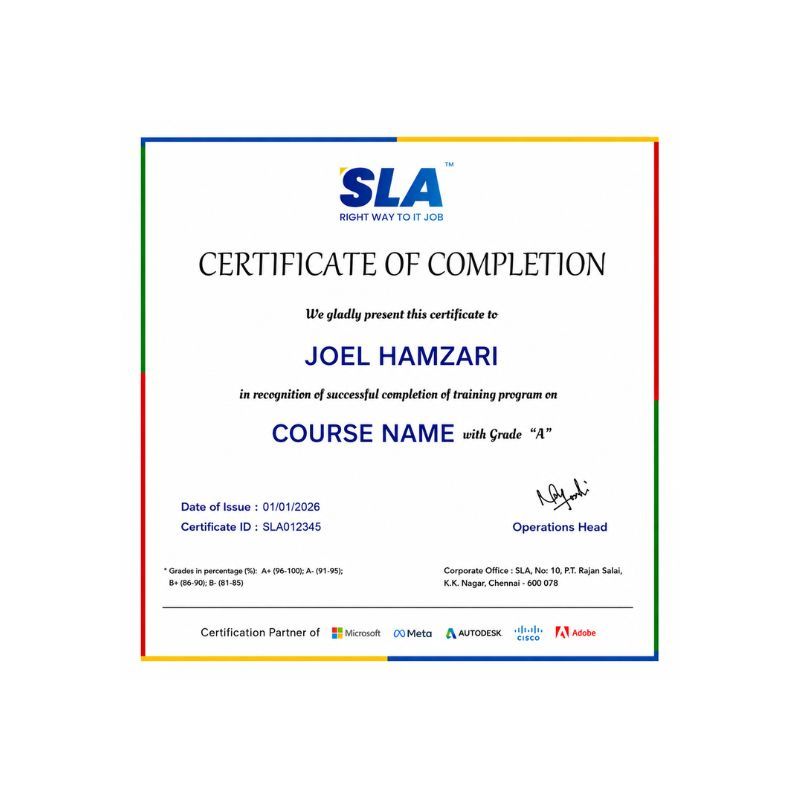
Earn Your Certificate of Completion
Take Your Career to the Next Level with Certifications
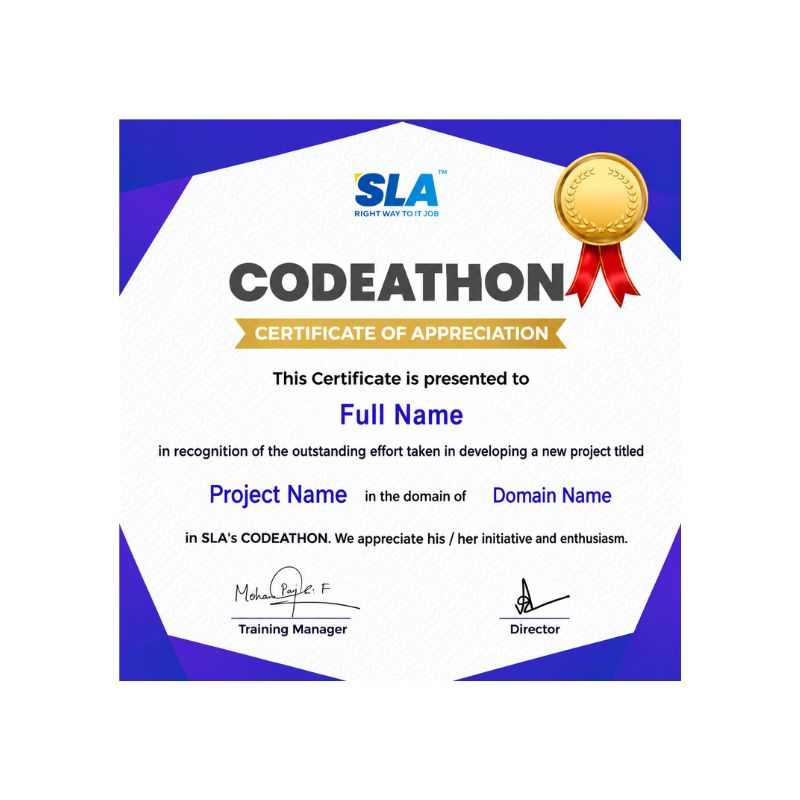
Stand Out from the Crowd with Codethon Certificate
Hands-on Project Practices in Data Science with Python Course
Healthcare Predictive Analytics
Predictive Maintenance
Real-Time Traffic Analysis
Image Classification
Recommendation System
Credit Card Fraud Detection
Sentiment Analysis
Sales Forecasting
Customer Segmentation
The SLA Way to Get Placed in Top IT Companies
Enrollment
Technology Training
Realtime Projects
Placement Training
Interview Skills
Panel Mock
Interview
Unlimited
Interviews
Interview
Feedback
100%
IT Career
Placement Support for a Data Science with Python Job
Genuine Placements. No Backdoor Jobs at Softlogic Systems.
Aptitude Training
from Day 1
Interview Skills
from Day 1
Softskills Training
from Day 1
Build Your Resume
Build your LinkedIn Profile
Build your GitHub
digital portfolio
Panel Mock Interview
Unlimited Interviews until you get placed
Life Long Placement Support at no cost
FAQs
What are the benefits of using Python for data science compared to other languages?
Python is highly regarded for data science due to its clear syntax and readability, a rich set of libraries (such as Pandas, NumPy, and Scikit-learn), robust community support, and seamless integration capabilities. These aspects make it an effective tool for data manipulation, analysis, and modeling.
What distinguishes Pandas from NumPy in the context of data science?
Pandas is designed for data manipulation and analysis, providing DataFrames for data handling and cleaning. In contrast, NumPy is focused on numerical operations, offering support for arrays and mathematical functions necessary for performing efficient computations.
What are some standard data preprocessing methods applied in Python before using machine learning models?
Key preprocessing methods include data cleaning (addressing missing values and outliers), normalization (scaling features to a consistent range), encoding categorical variables, as well as feature extraction and selection. These steps are essential for optimizing model performance and accuracy.
What strategies can be used to handle missing data in a Python-based data science project?
Missing data can be managed through imputation techniques (such as filling in missing values with mean, median, or mode), removal of missing values, or employing algorithms capable of handling them. Pandas provides functions like fillna() and dropna() for these tasks.
What is the purpose of Jupyter Notebooks in Python data science projects?
Jupyter Notebooks offer an interactive platform for writing and running Python code, visualizing data, and documenting the analysis process within a single document. This integration facilitates effective exploration, analysis, and presentation of data.
How does the Scikit-learn library support machine learning in Python?
Scikit-learn provides a comprehensive set of tools for developing and evaluating machine learning models. It includes implementations for various algorithms used in classification, regression, clustering, and dimensionality reduction, along with utilities for model assessment and selection.
Why is version control important in data science projects, and how does it benefit Python projects?
Version control is crucial for tracking code changes, managing project progress, and facilitating collaboration. For Python projects, tools like Git help data scientists maintain code versions, monitor changes, and collaborate more efficiently, minimizing errors and improving workflow.
In what ways can Python be utilized for real-time data analysis and processing?
Python supports real-time data analysis through libraries and tools designed for data streaming (e.g., Apache Kafka, Streamlit) and asynchronous processing. Additionally, frameworks like Flask or Django and libraries such as asyncio can be employed to develop applications for real-time data processing and analysis.
Where is the corporate office of Softlogic Systems located?
The corporate office of the Softlogic Systems is located at the institute’s K.K.Nagar branch.
What payment methods does Softlogic accept?
Softlogic accepts a wide range of payment methods, including:
- Cash
- Debit cards
- Credit cards (MasterCard, Visa, Maestro)
- Net banking
- UPI
- Including EMI.
Additional Information for
the Data Science with Python Course
Scopes available in the future for learning Data Science with Python.
The following are the scopes available in the future for learning the Data Science with Python Course:
- Reinforcement Learning: Investigating techniques for developing autonomous systems and enhancing decision-making algorithms
- Distributed Computing: Employing frameworks such as Apache Spark and Hadoop to efficiently handle and analyze large datasets.
- Ethical AI: Addressing issues related to bias and transparency in AI systems to ensure ethical use of technology.
- Streaming Data: Developing systems for real-time data analysis using tools like Apache Kafka and Apache Flink.
- Text Analysis: Advancing techniques for sentiment analysis, entity recognition, and summarizing text data.
- Interactive Dashboards: Designing engaging and interactive visualizations using tools such as Tableau, Power BI, and D3.js.
- Algorithmic Trading: Creating and refining trading algorithms using machine learning methods.