
Our Data Science With Python Online Training programs are designed for students, freshers, and working professionals who want to upskill and stay relevant. We offer Data Science With Python Online Courses that are practical, interactive, and aligned with the latest industry demands. Our Data Science with Python Syllabus Covers the Python fundamentals, data manipulation with Pandas, numerical computing with NumPy, data visualization with Matplotlib and Seaborn, statistical analysis, and implementing machine learning models with scikit-learn. Enroll now and learn from industry experts with flexible timings and get Job support.
Data Science With Python Online Training
DURATION
3 Month
EMI
0% Interest
Mode
Live Online / Offline
Let's take the first step to becoming an expert in Data Science with Python
100% Placement
Assurance
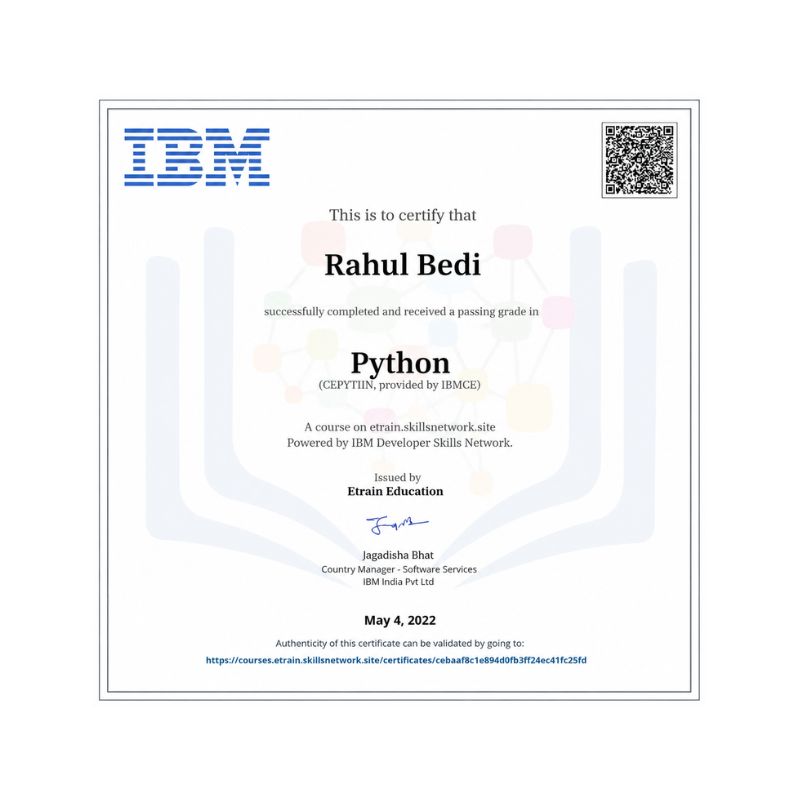
Get Certified
JOB PLACEMENT ELIGIBILITY TEST
Your Placement Eligibility Report
Want more details about Data Science with Python Course?
Course Schedules
Course Syllabus
Course Fees
or any other questions...
Fees, Duration & Batch Timings for Data Science with Python Course
Hands On Training
3-5 Real Time Projects
60-100 Practical Assignments
3+ Assessments / Mock Interviews
July 2026
Week days
(Mon-Fri)
Online/Offline
2 Hours Real Time Interactive Technical Training
1 Hour Aptitude
1 Hour Communication & Soft Skills
(Suitable for Fresh Jobseekers / Non IT to IT transition)
July 2026
Week ends
(Sat-Sun)
Online/Offline
4 Hours Real Time Interactive Technical Training
(Suitable for working IT Professionals)
Save up to 20% in your Course Fee on our Job Seeker Course Series
Syllabus of Data Science with Python Course
Python – Overview
- A brief history of python
- Application and trends in python
- Available python versions
Python – Environment Setup
- Getting and installing python
- Environmental variables and idle
- Executing python from command line
Fundamentals
- I/o
- Naming conventions
- Datatypes:
- Numbers
- String
- List
- Tuple
- Dictionary
- Set
Python Operators
- List, Tuple, Dictionary, Set Methods
- Statements: If, elif, Break, Continue
- Loops: For loop, while loop
- Functions
Oops Concepts:
- Class and objects
- Getters and setters
- Properties
- Inheritance
- Polymorphism
- Special Functions of Python: Lambda, Map, Reduce, Filter
Modules in Python:
- Math
- Arrow
- Geopy
- Beautiful soup
- Numpy
- Sys
- Os
Multithreading:
- Introducing threads and life cycles
- Priorities
- Dead Locks
Exceptional Handling
- Errors
- Runtime errors
- Exceptional model
- Exceptional hierarchy
- Handling multiple exception
- Raise exceptions
File Handling
- Text files
- Csv files
Regular Expressions
- Simple character matches
- Flags, quantifers, greedy matches
- Grouping and matching objects
- Matching at beginning or end
- Substituting and splitting a string
- Compiling regular expressions
Gui Interfacing: Tkinter
- Widgets
- Integrated application
- Mysql/with application
- Converting .exe
Datascience Modules:
- pandas
- numpy
- scipy
- matplotlib
Python Data Processing
- Python Data Operations
- Python Data cleansing
- Python Processing CSV Data
- Python Processing JSON Data
- Python Processing XLS Data
- Python Relational databases
- Python NoSQL Databases
- Python Date and Time
- Python Data Wrangling
- Python Data Aggregation
- Python Reading HTML Pages
- Python Processing Unstructured Data
- Python word tokenization
- Python Stemming and Lemmatization
Python Data Visualization
- Python Chart Properties
- Python Chart Styling
- Python Box Plots
- Python Heat Maps
- Python Scatter Plots
- Python Bubble Charts
- Python 3D Charts
- Python Time Series
- Python Geographical Data
- Python Graph Data
Statistical Data Analysis
- Python Measuring Central Tendency
- Python Measuring Variance
- Python Normal Distribution
- Python Binomial Distribution
- Python Poisson Distribution
- Python Bernoulli Distribution
- Python P-Value
- Python Correlation
- Python Chi-square Test
- Python Linear Regression
Objectives of Data Science with Python Training
Our Data Science with Python Online Training has the most recently updated Data Science with Python syllabus. The syllabus is curated by our experts from the IT industry while bearing in mind the recent trends in the IT industry. The syllabus covers everything from basic to advanced topics some of those topics are briefly discussed below:
- The syllabus begins with basic topics such as, Introduction to Data Science, Machine Learning, Deep Learning, Artificial Intelligence, Python, Statistics, Algorithms.
- The syllabus then explores Data Science, Machine Learning, Deep Learning, Artificial Intelligence, Python, Statistics, Algorithms a bit deeper
- The syllabus then goes and explores Data Science, Machine Learning, Deep Learning, Artificial Intelligence, Python, Statistics, Algorithms and related topics in an advanced and much deeper level.
Why Softlogic Systems is the Best Choice for Data Science with Python Training – Learn, Practice, and Get Placed!
Online & Offline Training Options
Learn from 100+ Real-Time Developers
Hands-on Projects & Codeathons
0% EMI Fee Options
Resume & Interview Support
Placement with Top IT Firms
1000+ Hiring Partners
No Backdoor Jobs
Highlights of Data Science with Python Course
What is Data Science with Python?
Data science encompasses extracting insights from data through processes like cleaning, analysis, visualization, and interpretation. Python, renowned for its simplicity, versatility, and vast library ecosystem tailored for data analysis and machine learning, stands out as a top choice in this field.
What are the reasons for learning Data Science with Python?
The following are the reasons for learning Data Science with Python:
- Ease of Learning: Python’s language structure is easy to understand, making it great for beginners, even those without coding experience, to start learning data science quickly.
- Community Support: Python has a big group of developers and data experts who share help and knowledge online, making it simple for data scientists to get assistance and collaborate on projects.
- Industry Adoption: Many different types of companies, from tech to healthcare, use Python for data tasks, offering lots of job chances for data scientists who know Python well.
What are the prerequisites for learning Data Science with Python Online Training?
SLA does not demand any prerequisites for any courses as all the courses cover topics from fundamental to advanced level. However having a basic knowledge on these below topics can be beneficial in learning the Data Science with Python easily:
- Python Proficiency: You should have a basic understanding of Python programming, knowing about things like different data types, how to control the flow of a program, writing functions, and using libraries.
- Data Analysis and Visualization Skills: You need to know how to analyze data and present it visually, using techniques to explore data effectively.
- Understanding Machine Learning Basics: You should be familiar with the basics of machine learning, knowing concepts like supervised learning, unsupervised learning, and how to measure the performance of models.
Our Data Science with Python Course is suitable for:
- Students
- Job Seekers
- Freshers
- IT professionals aiming to enhance their skills
- Professionals seeking career change
- Enthusiastic programmers
What are the course fees and duration?
The Data Science with Python course fees depend on the program level (basic, intermediate, or advanced) and the course format (online or in-person).On average, the Data Science with Python course fees come in the range of ₹65,000 to ₹75,000 INR for 4 months, inclusive of international certification. For some of the most precise and up-to-date details on fees, duration, and certified Data Science with Python certification, kindly contact our Best Placement Training Institute in Chennai directly.
What are some of the jobs related to Data Science with Python?
The following are some of the jobs related to Data Science with Python:
- Data Analyst
- Data Scientist
- Machine Learning Engineer
- Data Engineer
What is the salary range for the position of Data Analyst?
The Data Analyst freshers salary typically with around less than 1 year of experience earn approximately ₹3-4 lakhs annually. For a mid-career Data Analyst with around 3 years of experience, the average annual salary is around ₹5-6 lakhs. An experienced Data Analyst with more than 5 years of experience can anticipate an average yearly salary of around ₹8-9 lakhs. Visit SLA for more courses.
List a few real time Data Science with Python applications.
Here are several real time Data Science with Python applications:
- Predictive Analytics for E-commerce
- Sentiment Analysis on Social Media
- Image Recognition System
- Customer Churn Prediction
Boost Your Skills with Our Data Science with Python Training Experts
Our Mentors are from Top Companies like:
The following are our trainer’s profile for the Data Science with Python Online Training:
- Our instructors possess over a decade of expertise in Data Science and Python programming.
- They have extensive experience in application development, web programming, and analytical algorithm creation.
- They offer valuable insights into crafting predictive data models and adhere to industry-standard practices.
- Numerous workshops led by them have delved into Data Science complexities, delivering comprehensive software overviews.
- Leveraging advanced data processing techniques, they guide students through challenges in analysis, visualization, predictive modeling, and programming.
- They teach problem-solving with Python libraries, fostering hands-on experience across various scientific domains.
- Tailoring course content to individual needs, they provide feedback for enhanced learning outcomes.
- They ensure thorough comprehension of each session’s content, fostering student understanding.
- With unwavering support, they guarantee an exceptional learning journey.
- Their proficiency ensures students meet training objectives, becoming skilled users of Data Science and Python programming.
What Modes of Training are available for Data Science with Python Course?
Offline / Classroom Training
- Direct Interaction with the Trainer
- Clarify doubts then and there
- Airconditioned Premium Classrooms and Lab with all amenities
- Codeathon Practices
- Direct Aptitude Training
- Live Interview Skills Training
- Direct Panel Mock Interviews
- Campus Drives
- 100% Placement Support
Online Training
- No Recorded Sessions
- Live Virtual Interaction with the Trainer
- Clarify doubts then and there virtually
- Live Virtual Interview Skills Training
- Live Virtual Aptitude Training
- Online Panel Mock Interviews
- 100% Placement Support
Corporate Training
- Industry endorsed Skilled Faculties
- Flexible Pricing Options
- Customized Syllabus
- 12X6 Assistance and Support
Certifications
Improve your abilities to get access to rewarding possibilities
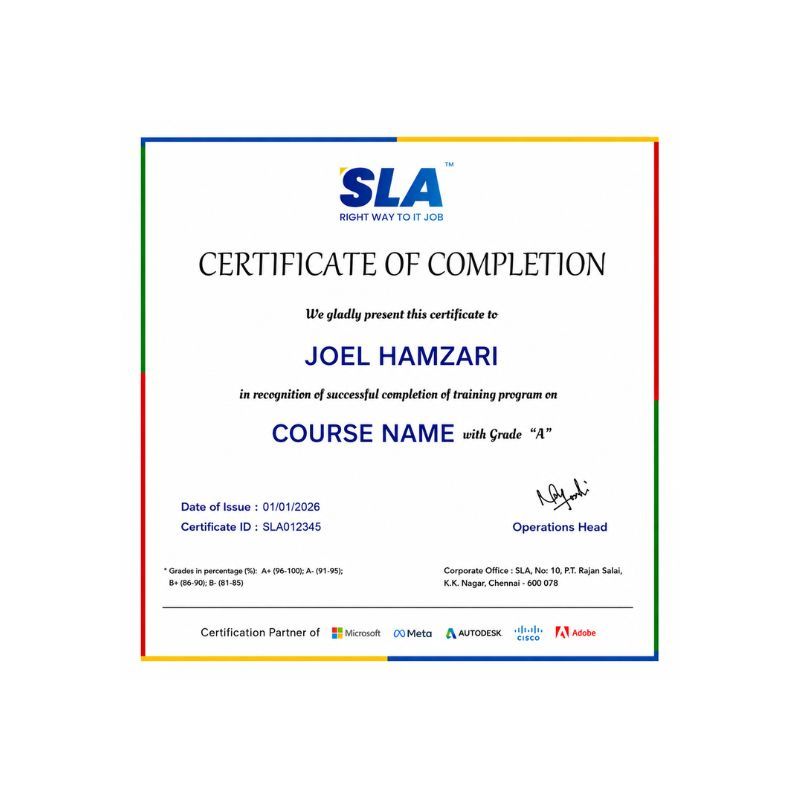
Earn Your Certificate of Completion
Take Your Career to the Next Level with Certifications
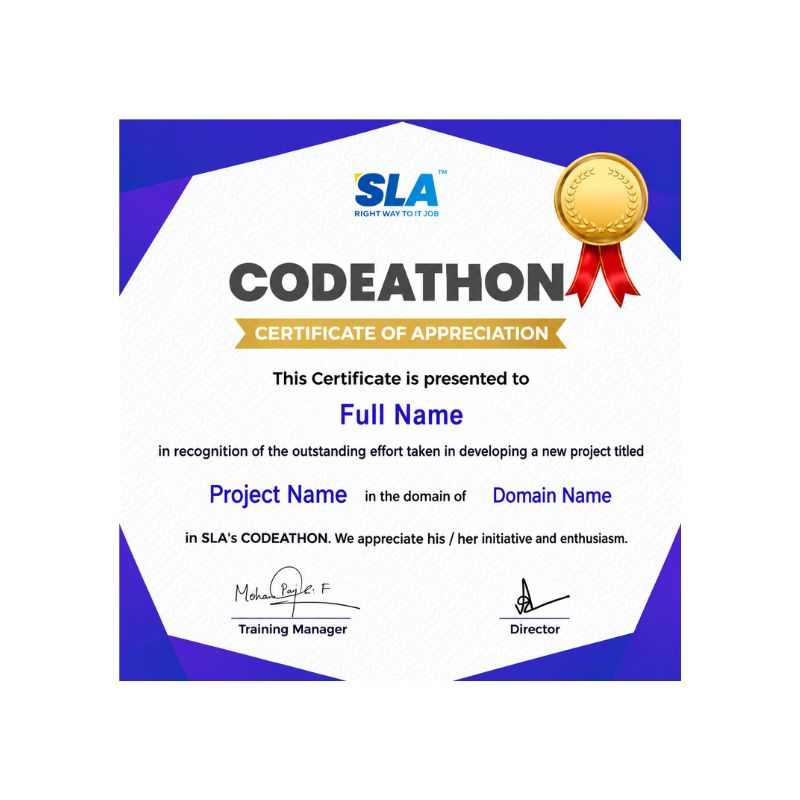
Stand Out from the Crowd with Codethon Certificate
Hands-on Project Practices in Data Science with Python Course
Fraud Detection in Credit Card Transactions
Text Generation with Recurrent Neural Networks
Energy Consumption Forecasting
Time Series Anomaly Detection
Customer Lifetime Value Prediction
Recommendation System for Movie or Music
Healthcare Data Visualization
Stock Market Analysis and Prediction
Natural Language Processing (NLP) for Customer Reviews
The SLA Way to Get Placed in Top IT Companies
Enrollment
Technology Training
Realtime Projects
Placement Training
Interview Skills
Panel Mock
Interview
Unlimited
Interviews
Interview
Feedback
100%
IT Career
Placement Support for a Data Science with Python Job
Genuine Placements. No Backdoor Jobs at Softlogic Systems.
Aptitude Training
from Day 1
Interview Skills
from Day 1
Softskills Training
from Day 1
Build Your Resume
Build your LinkedIn Profile
Build your GitHub
digital portfolio
Panel Mock Interview
Unlimited Interviews until you get placed
Life Long Placement Support at no cost
FAQs
How many branches does SLA have?
SLA has two branches one is in Navalur, OMR and another is in K.K. Nagar.
What are the special characteristics of SLA’s OMR branch?
SLA’s OMR branch is located in OMR’s IT hub where are a lot of IT companies are located, this gives SLA’s OMR branch intense credibility
Does SLA have EMI options?
Yes, SLA does indeed provide EMI options for its students with 0% interest.
How does the SLA deal with grievances or issues among students?
SLA has specialized HR personnel who will look into students’ issues.
Does SLA have experienced trainers?
Yes, SLA has trainers who are experienced in both IT and teaching skills.
How should I manage missing data in Python for my data science projects?
You can handle missing data by deleting rows with missing values, filling them with a certain value like the average, or using more advanced methods like imputation or interpolation.
What are some ways to check how good a machine learning model is in Python?
You can evaluate a model’s performance using different measures like accuracy, precision, recall, F1-score, ROC-AUC curve, and mean squared error (MSE) for regression tasks. Python libraries such as Scikit-learn have functions to calculate these measures.
What’s the process for putting a machine learning model I made in Python into a live system?
You can put a machine learning model into action by saving it as a file (like a pickle file) and then using it in an application or online service with frameworks like Flask or Django. Another option is to deploy models on cloud platforms such as AWS, Azure, or Google Cloud using their machine learning services.
What are some methods to pick out the most important features and make the data simpler in Python?
Feature selection methods include checking for correlations, importance, or using algorithms like LASSO regression. For reducing the complexity of the data, techniques like Principal Component Analysis (PCA) or t-distributed Stochastic Neighbor Embedding (t-SNE) can help.
How do I fine-tune the settings of a machine learning model in Python?
You can tweak the settings, known as hyperparameters, by trying out different values with techniques like grid search, random search, or Bayesian optimization. Libraries like Scikit-learn and Hyperopt offer tools for this task.
Additional Information for
the Data Science with Python Course
Current Trends in Data Science with Python
- Advancements in Deep Learning: New improvements in deep learning methods, structures, and platforms like TensorFlow and PyTorch are pushing progress in areas such as recognizing images, understanding language, and enhancing reinforcement learning.
- Emphasis on Interpretability and Explainability: There’s a growing focus on making machine learning models easy to understand, especially in critical areas like healthcare and finance, so we can know why decisions are made.
- Rise of AutoML and Automated Machine Learning: More organizations are using AutoML tools and systems to automate how they create, train, and use machine learning models, making it simpler for projects to get started.
- Ethical AI and Responsible Data Science: People are paying more attention to being ethical and responsible when developing AI systems, especially considering issues like fairness and bias, and integrating these principles into their work.