
Join Our 100% Job-Guaranteed Core Java Course in OMR. We Provide Quality Core Java training with an affordable Cost in OMR. Our Core Java Syllabus covers the Java basics, object-oriented programming concepts, exception handling, collections framework, multithreading, JDBC, and more. At Softlogic Systems, you’ll earn globally recognized certifications, build real-time projects, and receive complete placement assistance to launch a successful career in your chosen field.
Core Java Training In Omr
DURATION
2 Months
EMI
0% Interest
Mode
Live Online / Offline
Let's take the first step to becoming an expert in Core Java
100% Placement
Assurance
Get Certified
JOB PLACEMENT ELIGIBILITY TEST
Your Placement Eligibility Report
Want more details about Core Java Course?
Course Schedules
Course Syllabus
Course Fees
or any other questions...
Fees, Duration & Batch Timings for Core Java Course
Hands On Training
3-5 Real Time Projects
60-100 Practical Assignments
3+ Assessments / Mock Interviews
June 2026
Week days
(Mon-Fri)
Online/Offline
2 Hours Real Time Interactive Technical Training
1 Hour Aptitude
1 Hour Communication & Soft Skills
(Suitable for Fresh Jobseekers / Non IT to IT transition)
June 2026
Week ends
(Sat-Sun)
Online/Offline
4 Hours Real Time Interactive Technical Training
(Suitable for working IT Professionals)
Save up to 20% in your Course Fee on our Job Seeker Course Series
Syllabus of Core Java Course
Introduction:
- Why Java
- Paradigms
- Diff B/W Java & Other (C,C++)
- Java History
- Java Features
- Java programming format
- Java Statements
- Java Data Types
OOPS (Object Oriented Programming & Systems)
- Introduction
- Object
- Constructors
- This Key Word
- Inheritance
- Super Key Word
- Polymorphism (Over Loading & Over Riding)
- Abstraction
- Interface
- Introduction
- Object
- Constructors
- This Key Word
- Inheritance
- Super Key Word
- Polymorphism (Over Loading & Over Riding)
- Abstraction
- Interface
- Introduction
- Object
- Constructors
- This Key Word
- Inheritance
- Super Key Word
- Polymorphism (Over Loading & Over Riding)
- Abstraction
- Interface
- Encapsulation
- Introduction to all predefined packages
- User Defined Packages
- Access Specifiers
STRING Manipulation
- String
- String Buffer
Array
- What is Array
- Single Dimensional Array
- Multi Dimensional Array
- Sorting of Arrays
Wrapper Classes
- Introduction
- Byte, Short, Integer, Long, Float, Double, Character
- Boolean classes
Inner Classes
- Introduction
- Member Inner Class
- Static Inner Class
- Local Inner Class
- Anonymous Inner Class
Collection Frame Work
- Introduction
- Util Package interfaces, List, Set, Map
- List Interface 7 Its Classes
- Set Interface & Its Classes
- Map Interface & Is Classes
AWT
- Introduction
- Components
- Event-Delegation-Model
- Listeners
- Layouts
- Individual Components Lable, Button, Check Box, Radio Button,
- Choice, List, Menu, Text Field, Text Area
Objectives of Core Java Training
The learning objectives of our Core Java Course in OMR are:
- To understand the differences between the Java SE Platform versions and the importance of Java in server contexts.
- To gain an understanding of Java’s architecture, which includes information on JDK, JRE, and JVM, as well as the programming language’s special characteristics.
- To learn the fundamentals of Java syntax and class structure, as well as how to compile, run, and use primitive data types.
- To create modular and adaptable software, use Object-Oriented Programming (OOP) concepts like classes, objects, inheritance, and polymorphism.
- To safeguard data and increase class functionality—such as constructor and method overloading—use encapsulation and subclassing.
- To encourage code reuse and impose a contract on subclasses, use abstract classes and interfaces.
- Effectively manage exceptions to build reliable and error-proof Java applications.
- To store, retrieve, alter, and share aggregate data, work with the Java Collections Framework.
- To make use of Java Streams to carry out functional operations on streams of elements, including map-reduce operations.
Why Softlogic Systems is the Best Choice for Core Java Training – Learn, Practice, and Get Placed!
Online & Offline Training Options
Learn from 100+ Real-Time Developers
Hands-on Projects & Codeathons
0% EMI Fee Options
Resume & Interview Support
Placement with Top IT Firms
1000+ Hiring Partners
No Backdoor Jobs
Highlights of Core Java Course
What is Core Java?
Creating server-based and web applications is the primary use of Core Java. A subset of the Java language is called Core Java. We can state that any prospective Java junior or even trainee needs to master the fundamentals of core Java for entry-level jobs.
What are the reasons for learning Core Java?
The importance of learning the Core Java Course is as follows:
- It is easy to learn as it is beginner-friendly
- Versatile with a ‘write once, run anywhere’ approach
- Object-oriented to make the code scalable and flexible
- It can be used everywhere, including for desktop and mobile app development.
- Platform-independent and rich API
- It is open-source and free of charge.
- Java offers a wide variety of development tools
- It makes way for numerous job opportunities.
What are the prerequisites for learning the Core Java course in OMR?
There’s no hard prerequisite you need to learn the Core Java course in OMR. The Core Java course is suitable for any IT aspirant. However, the following skills will be useful for quick learning of core Java training in OMR:
- Fundamental knowledge of C and C++.
- Understanding of OOPs concepts.
Our Core Java Course in OMR is suitable for:
- Students
- Professionals seeking a career change
- Job Seekers
What are the course fees and duration?
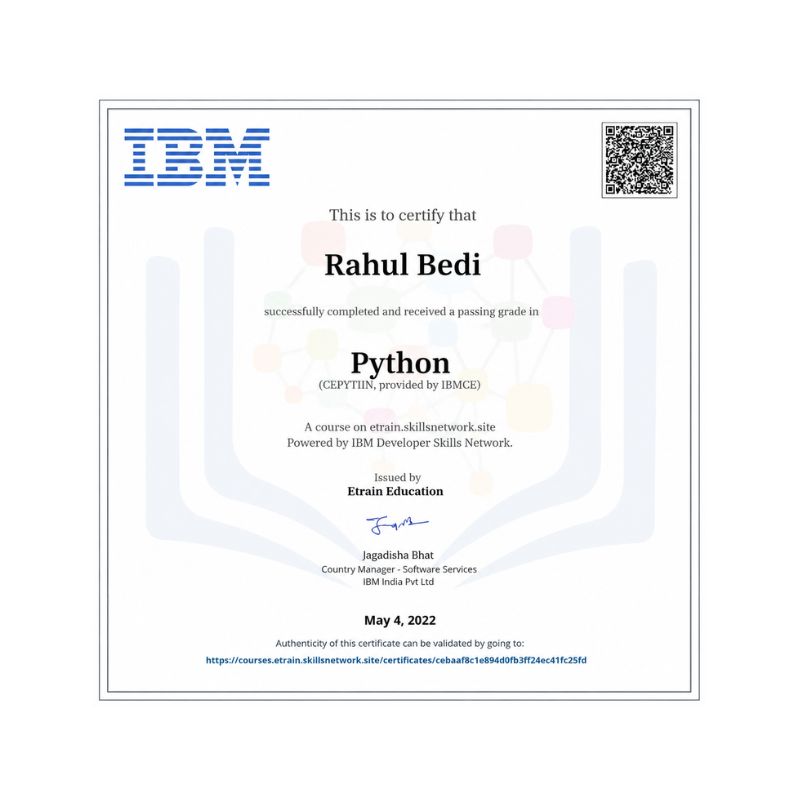
The Core Java course fees are typically around 25,000 INR, depending on the specific program you choose (basic, intermediate, or full stack), and the duration is usually 2 to 3 months with IBM certification. For further details on fees, duration, and certification, it is best to contact our Core Java Training Institute in OMR directly.
What are some job roles related to the Core Java course?
Some job roles in Core Java Skills include
- Core Java Developer
- Android Developer
- Full-stack Developer
- Software Engineer
- Java Software Architect
- Java DevOps Engineer
What is the salary range for core Java professionals?
In India, the average Java developer salary for freshers is ₹5.8 lakh per year, with a salary range of ₹3.0 to ₹10.0 lakh. The average salary for experienced Java developers is ₹19.3 lakhs, with the majority of workers earning between ₹15.0 lakhs and ₹47.0 lakhs.
List a few core Java real-time applications.
Core Java is a versatile language that is widely used for the following real-time applications:
- Web Applications
- Enterprise Applications
- Android Mobile Apps
- Content Management Systems (CMS)
- Healthcare Applications
- E-Commerce Platforms
- IoT Applications
Boost Your Skills with Our Core Java Training Experts
Our Mentors are from Top Companies like:
- Our Core Java trainers are highly skilled experts in object-oriented programming with extensive backgrounds in coding and software development.
- They have 15+ years of expertise teaching students the language step-by-step and possess a thorough understanding of Java’s foundations.
- They ensure that our students receive skill sets that apply to the business because they are experts in their own right and have worked extensively in the software development field.
- By fostering a stimulating and creative learning environment and applying their knowledge to address particular issues, our trainers help learners become more engaged and capable.
- Our trainers employ a cutting-edge, interactive teaching methodology that incorporates real-world examples to facilitate students’ comprehension of the intricate subjects covered in Core Java.
- Our trainers are adept at pinpointing the students’ areas of weakness and adjusting the curriculum accordingly to guarantee success.
- The trainers are passionate about helping students obtain the necessary skills to land their ideal employment and approach the task with a team mentality.
What Modes of Training are available for Core Java Course?
Offline / Classroom Training
- Direct Interaction with the Trainer
- Clarify doubts then and there
- Airconditioned Premium Classrooms and Lab with all amenities
- Codeathon Practices
- Direct Aptitude Training
- Live Interview Skills Training
- Direct Panel Mock Interviews
- Campus Drives
- 100% Placement Support
Online Training
- No Recorded Sessions
- Live Virtual Interaction with the Trainer
- Clarify doubts then and there virtually
- Live Virtual Interview Skills Training
- Live Virtual Aptitude Training
- Online Panel Mock Interviews
- 100% Placement Support
Corporate Training
- Industry endorsed Skilled Faculties
- Flexible Pricing Options
- Customized Syllabus
- 12X6 Assistance and Support
Certifications
Improve your abilities to get access to rewarding possibilities
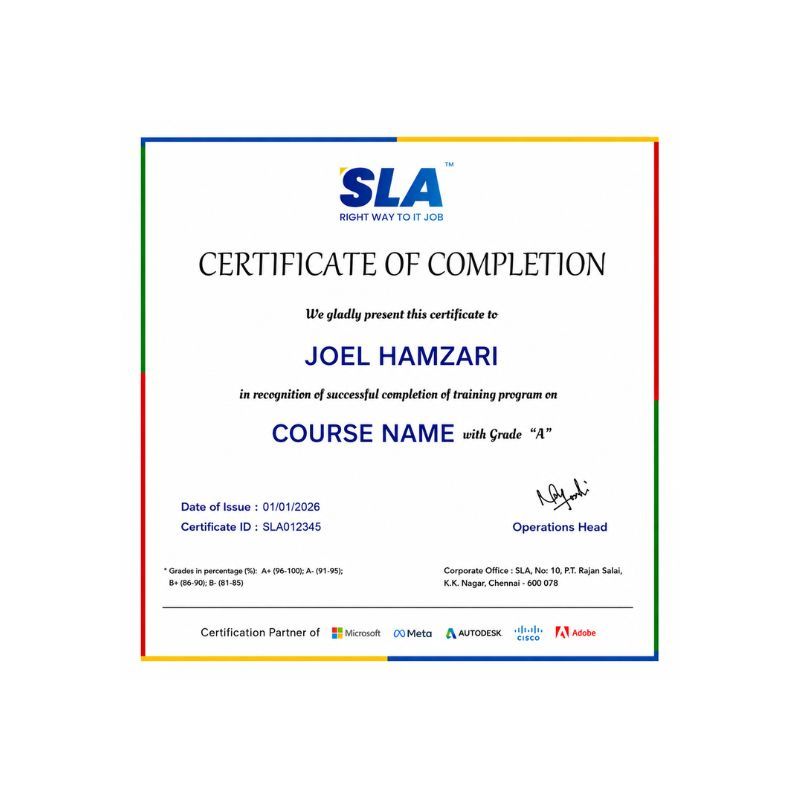
Earn Your Certificate of Completion
Take Your Career to the Next Level with Certifications
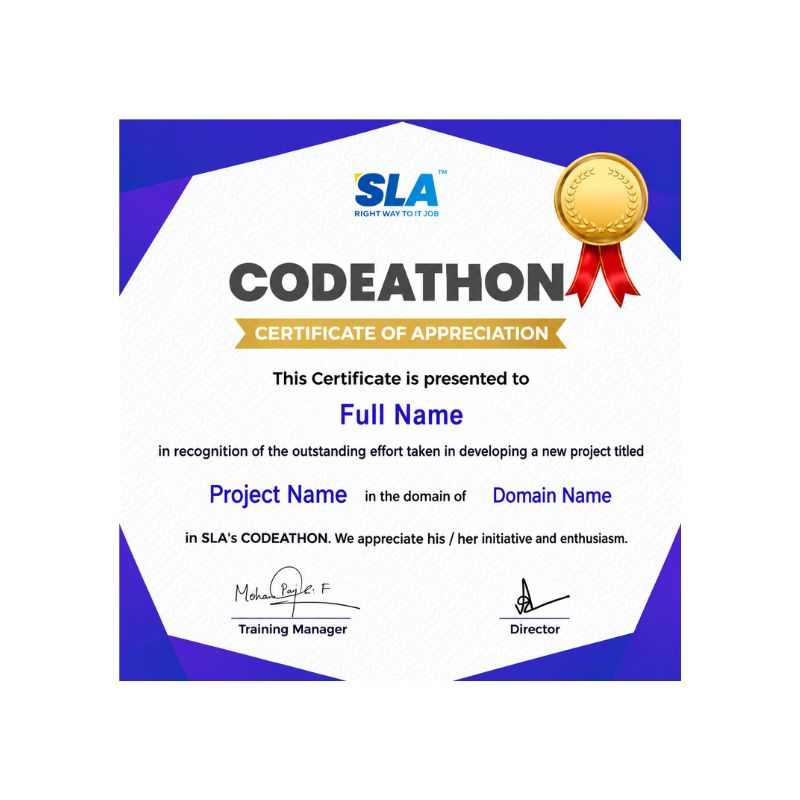
Stand Out from the Crowd with Codethon Certificate
Hands-on Project Practices in Core Java Course
bFit
Notes & Password Manager
Relationship Manager for Customers
Library Management System
Android Contact App Development
QuizUp
Stock Tracker
Bug Tracking System
Breakout Ball Game
The SLA Way to Get Placed in Top IT Companies
Enrollment
Technology Training
Realtime Projects
Placement Training
Interview Skills
Panel Mock
Interview
Unlimited
Interviews
Interview
Feedback
100%
IT Career
Placement Support for a Core Java Job
Genuine Placements. No Backdoor Jobs at Softlogic Systems.
Aptitude Training
from Day 1
Interview Skills
from Day 1
Softskills Training
from Day 1
Build Your Resume
Build your LinkedIn Profile
Build your GitHub
digital portfolio
Panel Mock Interview
Unlimited Interviews until you get placed
Life Long Placement Support at no cost
FAQs
What distinguishes Java from Core Java?
Java is typically used to create a wide range of applets and programs. Creating server-based and online applications is the usual use for Core Java. Core Java is a subset of Java. A subset of the Java language is called Core Java.
What are the concepts in Core Java?
Core Java Course Syllabus covers fundamentals of Java that include OOPs concepts, overloading and overriding, inheritance, abstraction, exception handling, and so on. It also covers packages such as collections, multithreading, swings, and Applets JDBC.
Is core Java easy to learn?
It’s not too difficult to learn core Java. The longest and more complex syntax of Java than that of a language like Python presents the biggest learning obstacle. We have simplified the learning path in our core Java training in OMR at SLA.
Can Core Java get me a job?
Yes. Possessing good fundamental Java skills will undoubtedly help in your job search.
What comes after core Java?
Following Core Java Learn Java EE (Enterprise Edition), sometimes referred to as Advanced Java. You can work on web development as soon as you start studying Java EE because it contains specifications for extra capabilities like web services and distributed computing.
How long does it take to learn a Core Java course in OMR?
The expected time frame for someone already familiar with a programming language is 2 to 3 months. Get in touch with our learning managers and explore various aspects of studying core Java.
Does SLA provide placement support with the core Java course in OMR?
Yes, SLA helps its students get into Java positions. To assist you in beginning your job search, SLA offers extra tools like recruiting drives, practice interviews, and interview preparation classes in our Core Java training institute in OMR.
What kind of payment methods does SLA accept for Java courses in OMR?
Payments in cash, checks, cards, and digital UPI payments of any form are all accepted by SLA.
I have a few more inquiries.
Kindly contact our course advisor via phone at +91 86818 84318 or by WhatsApp. As an alternative, you can use our website’s form or send us an email at [email protected].
What is the number of SLA branches?
SLA has two locations: one in OMR, Navalur, and one in K.K. Nagar.
Additional Information for
the Core Java Course
DevOps
The latest trend in software development, DevOps, is perfectly apt for Java applications.
Cloud Computing
The cloud provides a scalable, pay-as-you-go platform that can be used to host Java applications.
GitHub Future
GitHub is regarded as cutting-edge technology and has grown to be a vital resource for Java developers.
VS Code Adoption
A large number of the world’s leading Java developers now use VS Code as their main integrated development environment.
Artificial Intelligence
One of the most popular programming languages, Java, is perfect for creating robust AI ecosystems.
Spring Framework
It’s reasonable to assume that Spring will remain a prominent trend in Java programming.
Mobile App Development
Java is commonly employed in Android smartphone development.