
Our Node JS Online Training programs are designed for students, freshers, and working professionals who want to upskill and stay relevant. We offer NodeJS Online Courses that are practical, interactive, and aligned with the latest industry demands. Our Node.js syllabus covers the Node.js architecture, asynchronous programming, modules, file system handling, Express.js framework, RESTful APIs, authentication, and deployment. Enroll now and learn from industry experts with flexible timings and get Job support.
Node Js Online Training
DURATION
1 Months
EMI
0% Interest
Mode
Live Online / Offline
Let's take the first step to becoming an expert in Node.js
100% Placement
Assurance
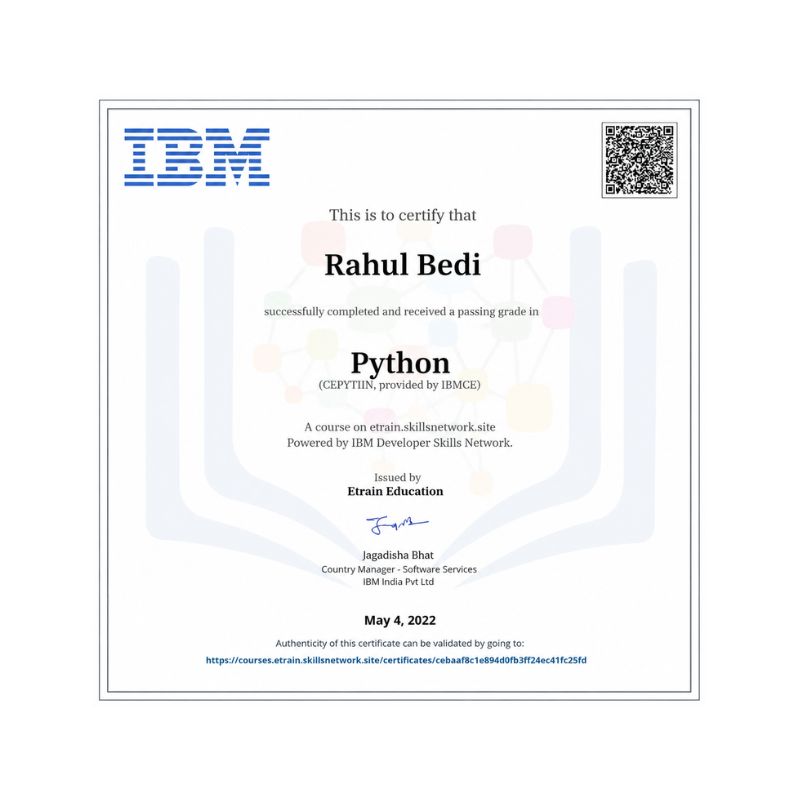
Get Certified
JOB PLACEMENT ELIGIBILITY TEST
Your Placement Eligibility Report
Want more details about Node.js Course?
Course Schedules
Course Syllabus
Course Fees
or any other questions...
Fees, Duration & Batch Timings for Node.js Course
Hands On Training
3-5 Real Time Projects
60-100 Practical Assignments
3+ Assessments / Mock Interviews
July 2026
Week days
(Mon-Fri)
Online/Offline
2 Hours Real Time Interactive Technical Training
1 Hour Aptitude
1 Hour Communication & Soft Skills
(Suitable for Fresh Jobseekers / Non IT to IT transition)
July 2026
Week ends
(Sat-Sun)
Online/Offline
4 Hours Real Time Interactive Technical Training
(Suitable for working IT Professionals)
Save up to 20% in your Course Fee on our Job Seeker Course Series
Syllabus of Node.js Course
Session 1: Node JS Modules
- Functions
- Buffer
- Module
- Modules Types
- Core Modules
- Local Modules
- Modules Exports
Session 2: Node Package Manager
- What is NPM
- Installing Packages Locally
- Installing package globally
- Adding dependency in package Json
- Updating packages
Session 3: Creating Web Server
- Creating Web Server
- Sending Requests
- Handling HTTP requests
Session 4: File System
- Read File
- Writing a File
- Opening a File
- Deleting a File
- Writing a file asynchronously
- Other I/O Operations
Session 5: Debugging Node JS Application
- Core Node JS Debugger
Session 6: Events
- Event Emitter class
- Inheriting Events
- Returning event emitter
Session 7: Express JS
- Configuring Routes
- Working with Express
Session 8: Serving Static Resources
- Serving Static Files
- Working with Middle Ware
Session 9: Database Connectivity
- Connecting String
- Configuring
- Updating Records
- Working with Select Command
- Deleting Records
Session 10: Project Development
- Project Development using Node JS
Objectives of Node.js Training
Our Node.js Online Training is completely reliable due to the fact that the syllabus is curated by experts and professionals from the IT industry. In addition to that, the syllabus is als expertly curated while bearing in mind the current trends and standards in the IT industry. Furthermore, the syllabus also serves both beginners and experienced students so the topics in the syllabus starts from fundamental and goes all the way to advanced, some of those topics are explored below:
- The syllabus begins with fundamental topics like, Node JS Modules such as – Functions, Buffer, Module etc.
- The syllabus then goes a little deeper into Node.js by exploring topics like, Core Node JS Debugger, Event Emitter class, Inheriting Events, Returning event emitter etc.
- The syllabus then explores advanced topics like, Database Connectivity where you will learn topics like, Connecting String, Configuring,Updating Records etc.
Why Softlogic Systems is the Best Choice for Node.js Training – Learn, Practice, and Get Placed!
Online & Offline Training Options
Learn from 100+ Real-Time Developers
Hands-on Projects & Codeathons
0% EMI Fee Options
Resume & Interview Support
Placement with Top IT Firms
1000+ Hiring Partners
No Backdoor Jobs
Highlights of Node.js Course
What is Node.js?
Node.js is a runtime environment that allows an individual to run JavaScript code outside of a web browser. Traditionally, JavaScript was used only for adding interactivity to web pages. Node.js opens up JavaScript for server-side scripting and building web applications.
What are the reasons for learning Node.js?
The following are the reasons for learning Node.js:
- Asynchronous and Non-blocking: Node.js handles tasks efficiently by not waiting for one task to finish before starting another, which is great for handling many tasks at once.
- Large Ecosystem: Node.js offers many tools and options to build different kinds of applications, like websites or IoT devices, thanks to its wide range of libraries and frameworks like Express.js.
Community Support: Many developers actively contribute to Node.js, providing help and resources through forums and tutorials, making it easier to learn and solve problems.
What are the prerequisites for learning Node.js Online Training?
SLA does not demand any prerequisites for any courses as all the courses cover topics from fundamental to advanced level. However having a basic knowledge on these below topics can be beneficial in learning Node.js easily:
- JavaScript: Knowing the basics of JavaScript, like how to work with variables, use loops and functions, and understand different data types, is super important because Node.js uses JavaScript as its foundation.
- Asynchronous Programming: Understanding things like callbacks, promises, and async/await is really important because Node.js does a lot of tasks simultaneously, and these concepts help manage that.
- HTTP and Web Servers: Having some knowledge about how the internet works, especially with web servers and the HTTP protocol, is useful because Node.js often deals with building web applications.
Our Node.js Course is suitable for:
- Students
- Job Seekers
- Freshers
- IT professionals aiming to enhance their skills
- Professionals seeking career change
- Enthusiastic programmers
What are the course fees and duration?
The Node.js course fees depend on the program level (basic, intermediate, or advanced) and the course format (online or in-person).On average, the Node.js course fees come in the range of ₹25,000 to ₹30,000 INR for 1-2 months, inclusive of international certification. For some of the most precise and up-to-date details on fees, duration, and certified Node.js certification, kindly contact our Best Placement Training Institute in Chennai directly.
What are some of the jobs related to Node.js?
The following are some of the jobs related to Node.js:
- Node.js Developer
- Full Stack Developer
- Backend Developer
- Web Developer
What is the salary range for the position of Node.js Developer?
The Node.js Developer freshers salary typically with less than 1 year of experience earn approximately ₹3-4 lakhs annually. For a mid-career Node.js Developer with around 3 years of experience, the average annual salary is around ₹5-6 lakhs. An experienced Node.js Developer with more than 5 years of experience can anticipate an average yearly salary of around ₹9-10 lakhs. Visit SLA for more courses.
List a few real time Node.js applications.
Here are several real time Node.js applications:
- Chat Application
- Task Management System
- Blogging Platform
- Real-time Polling App
Boost Your Skills with Our Node.js Training Experts
Our Mentors are from Top Companies like:
The following are our trainer’s profile for the Node.js Online Training:
- With over 10 years of experience in Node.js Training, our trainers have extensive hands-on expertise.
- They’ve successfully guided and supported over 2000 students annually, showcasing a track record of effective training and mentoring.
- Our trainers ensure high-quality education that aligns with industry standards, providing top-notch training consistently.
- They possess a deep understanding of both theoretical concepts and practical applications, effectively bridging theory and real-world scenarios.
- Leveraging strong connections with hiring HRs in multinational companies, our trainers offer insights into industry trends, requirements, and exclusive job opportunities for a competitive edge.
- Proficient in essential Node.js concepts like asynchronous programming, Express.js, database integration, and server-side development, they provide comprehensive knowledge and hands-on guidance in these key areas.
- Excelling in communication skills, our trainers make the learning experience engaging and understandable by delivering course content with suitable examples in each Node.js class.
- Dedicated to helping students achieve their goals, they prepare learners to approach interviews with confidence and readiness.
What Modes of Training are available for Node.js Course?
Offline / Classroom Training
- Direct Interaction with the Trainer
- Clarify doubts then and there
- Airconditioned Premium Classrooms and Lab with all amenities
- Codeathon Practices
- Direct Aptitude Training
- Live Interview Skills Training
- Direct Panel Mock Interviews
- Campus Drives
- 100% Placement Support
Online Training
- No Recorded Sessions
- Live Virtual Interaction with the Trainer
- Clarify doubts then and there virtually
- Live Virtual Interview Skills Training
- Live Virtual Aptitude Training
- Online Panel Mock Interviews
- 100% Placement Support
Corporate Training
- Industry endorsed Skilled Faculties
- Flexible Pricing Options
- Customized Syllabus
- 12X6 Assistance and Support
Certifications
Improve your abilities to get access to rewarding possibilities
Earn Your Certificate of Completion
Take Your Career to the Next Level with Certifications
Stand Out from the Crowd with Codethon Certificate
Hands-on Project Practices in Node.js Course
Recipe Sharing Platform with Social Features
Real-time Dashboard for IoT Devices
Task Management API with GraphQL
Online Quiz Application
Location-based Social Network
Real-time Collaborative Code Editor
File Sharing Platform
Task Scheduler with Email Notifications
Real-time Chat Application with Video Calling
The SLA Way to Get Placed in Top IT Companies
Enrollment
Technology Training
Realtime Projects
Placement Training
Interview Skills
Panel Mock
Interview
Unlimited
Interviews
Interview
Feedback
100%
IT Career
Placement Support for a Node.js Job
Genuine Placements. No Backdoor Jobs at Softlogic Systems.
Aptitude Training
from Day 1
Interview Skills
from Day 1
Softskills Training
from Day 1
Build Your Resume
Build your LinkedIn Profile
Build your GitHub
digital portfolio
Panel Mock Interview
Unlimited Interviews until you get placed
Life Long Placement Support at no cost
FAQs
How many branches does SLA have?
SLA has two branches, one is in K.K. Nagar and another is in Navalur, OMR.
What are the special characteristics of SLA’s OMR branch?
SLA’s OMR branch is located in the middle of OMR’s IT hub, this gives SLA major credibility.
What type of payment methods does SLA accept?
SLA accepts all types of payment methods ranging from cheques, cash, cards (debit/credit), to all types of digital UPI payments.
How experienced are SLA’s trainers?
SLA trainers are incredibly experienced both in the fields of teaching and IT.
How does SLA deal with conflicts, and issues among students?
SLA has authorized HR personnel, who will deal with student issues.
How can I handle file uploads in Node.js?
You can manage file uploads in Node.js using tools like Multer or Formidable, which can process multipart form data and save uploaded files onto the server.
What is middleware in Express.js?
Middleware in Express.js are functions that work within the request-response cycle, accessing request and response objects, and handling tasks such as logging, authentication, and error management.
How can I implement authentication in a Node.js application?
Authentication in Node.js apps can be done using methods like JSON Web Tokens (JWT), OAuth, or session-based authentication, with libraries like Passport.js offering middleware to integrate these methods into your app.
What is the difference between callback functions and promises in Node.js?
Callbacks are traditionally used in Node.js for managing asynchronous operations, while promises provide a cleaner way to handle asynchronous code, allowing chaining of operations and easier error handling. Async/await, a newer JavaScript feature, further simplifies working with promises by allowing synchronous-style coding.
Is it possible to improve the performance of my Node.js application?
To enhance Node.js app performance, strategies include optimizing database queries, caching frequently accessed data, using reverse proxies like Nginx, and scaling horizontally by deploying multiple instances behind a load balancer.
Additional Information for
the Node.js Course
Current Trends in Node.js
- Deepening Integration with AI and Machine Learning (ML): Node.js is increasingly utilized for developing applications that harness AI and ML capabilities, such as chatbots, recommendation systems, and fraud detection.
- Emergence of Serverless Architecture: Serverless architecture enables developers to create and deploy applications without managing servers, with Node.js being particularly suitable for serverless functions due to its rapid startup times and adeptness at handling short-lived tasks.
- Rising Adoption of GraphQL: GraphQL, an API query language, allows developers to request specific data from an API, and Node.js seamlessly integrates with GraphQL to construct efficient and adaptable APIs.
- Persistent Emphasis on Microservices: Microservices architectures segment applications into smaller, autonomous services, with Node.js being a favored option for constructing microservices owing to its modular design and scalability.
Surge in Edge Computing: Edge computing brings processing closer to data sources, and Node.js is applicable for crafting lightweight applications that operate on edge devices.