
Join Our 100% Job-Guaranteed Spring Course in OMR. We Provide Quality Spring training with an affordable Cost in OMR. Our Spring Syllabus covers the Spring Core, Spring MVC, Spring Boot, dependency injection, data access with Spring JDBC & JPA, RESTful web services, and Spring Security. At Softlogic Systems, you’ll earn globally recognized certifications, build real-time projects, and receive complete placement assistance to launch a successful career in your chosen field.
Spring Training In OMR
DURATION
2 Months
EMI
0% Interest
Mode
Live Online / Offline
Let's take the first step to becoming an expert in Spring
100% Placement
Assurance
Get Certified
JOB PLACEMENT ELIGIBILITY TEST
Your Placement Eligibility Report
Want more details about Spring Course?
Course Schedules
Course Syllabus
Course Fees
or any other questions...
Fees, Duration & Batch Timings for Spring Course
Hands On Training
3-5 Real Time Projects
60-100 Practical Assignments
3+ Assessments / Mock Interviews
July 2026
Week days
(Mon-Fri)
Online/Offline
2 Hours Real Time Interactive Technical Training
1 Hour Aptitude
1 Hour Communication & Soft Skills
(Suitable for Fresh Jobseekers / Non IT to IT transition)
July 2026
Week ends
(Sat-Sun)
Online/Offline
4 Hours Real Time Interactive Technical Training
(Suitable for working IT Professionals)
Save up to 20% in your Course Fee on our Job Seeker Course Series
Syllabus of Spring Course
Spring Training Course Syllabus
- Introduction to Spring Framework.
- Dependency Injection /Inversion of control.
- IOC Containers.
- Aspect Oriented Programming.
- Spring web MVC.
- Spring DAO
- Object Relational Mapping Intergration.
- Transaction Management
- Spring Security
- Spring Web flow
- Spring-JSF Integration
Objectives of Spring Training
Our Spring Training in OMR has a specialized and up-to-date syllabus curated by reliable IT industry experts while bearing in mind the recent trends and standards in the IT industry. The syllabus caters to students of all level of experiences by having the course start from fundamental and all the way to advanced levels, some of those topics are discussed below:
- The Spring syllabus begins with basic topics like, Introduction to Spring Framework, Dependency Injection /Inversion of control, IOC Containers, Aspect Oriented Programming etc.
- The syllabus then moves towards a little deeper into frameworks through the topics like Spring web MVC, Spring DAO etc.
- The syllabus finally moves towards advanced topics like, Transaction Management, Spring Security, Spring Web flow etc.
Why Softlogic Systems is the Best Choice for Spring Training – Learn, Practice, and Get Placed!
Online & Offline Training Options
Learn from 100+ Real-Time Developers
Hands-on Projects & Codeathons
0% EMI Fee Options
Resume & Interview Support
Placement with Top IT Firms
1000+ Hiring Partners
No Backdoor Jobs
Highlights of Spring Course
What is Spring?
The Spring Framework stands as a powerful and extensively employed open-source application framework tailored for Java. Its primary aim lies in furnishing holistic infrastructure assistance for the creation of Java applications, encompassing a diverse array of features and functionalities crafted to streamline the development journey and amplify productivity levels.
What are the reasons for learning Spring?
The following are the reasons for learning Spring:
- Streamlined Development: Spring presents an integrated framework streamlining Java app development with reusable components, trimming redundant code, and accelerating the pace of development.
- Dependency Injection (DI) Mastery: Spring makes comprehension of DI principles, enabling the creation of loosely coupled, easily maintainable codebases, thus facilitating efficient dependency management and bolstering testability.
- Harnessing Aspect-Oriented Programming (AOP): Leveraging Spring’s AOP capabilities permits developers to compartmentalize pervasive concerns like logging, security, and transaction handling, fostering a more organized code structure.
What are the prerequisites for learning the Spring Training in OMR?
SLA does not demand any prerequisites for any courses as all the courses cover topics from fundamental to advanced level. However having a basic knowledge on these below topics can be beneficial in learning the Spring easily:
- Mastery of Core Java: Proficiency in fundamental Java concepts like classes, objects, inheritance, polymorphism, interfaces, and exception handling is indispensable for grasping the Spring Framework.
- Understanding Object-Oriented Programming (OOP): Acquaintance with OOP principles and practices is pivotal for comprehending the intricate design patterns and architecture employed in Spring.
- Grasp of Basic Web Development: Familiarity with web fundamentals such as the HTTP protocol, HTML, and web servers proves advantageous, particularly when engaging with Spring’s web-centric modules like Spring MVC.
Our Spring Course is suitable for:
- Students
- Job Seekers
- Freshers
- IT professionals aiming to enhance their skills
- Professionals seeking career change
- Enthusiastic programmers
What are the course fees and duration?
The Spring course fees depend on the program level (basic, intermediate, or advanced) and the course format (online or in-person).On average, the Spring course fees come in the range of ₹30,000 to ₹40,000 INR for 2 months, inclusive of international certification. For some of the most precise and up-to-date details on fees, duration, and certified Spring certification, kindly contact our Best Placement Training Institute in Chennai directly.
What are some of the jobs related to Spring?
The following are some of the jobs related to Spring:
- Spring Developer
- Java Developer
- Web Application Developer
- Enterprise Java Developer
What is the salary range for the position of Spring Developer?
The Spring Developer freshers salary typically with around less than a year of experience earn approximately ₹4-5 lakhs annually. For a mid-career Spring Developer with around 3 years of experience, the average annual salary is around ₹6-7 lakhs. An experienced Spring Developer with more than 5 years of experience can anticipate an average yearly salary of around ₹8-9 lakhs. Visit SLA for more courses.
List a few real time Spring applications.
Here are several real time Spring applications:
- Online Bookstore Applications
- Employee Management System
- E-Commerce Platform
- Blog Application.
Boost Your Skills with Our Spring Training Experts
Our Mentors are from Top Companies like:
The following are our trainer’s profile for the Spring Training in OMR:
- Our instructors specialize in providing high-quality training in software development to students.
- With a decade of industry experience, they possess extensive knowledge in utilizing and developing various software tools such as Java, MySQL, AngularJS, etc.
- Emphasizing practical examples, they help students understand concepts and applications effectively, favoring interactive sessions for comprehensive learning.
- Experts in curating course content tailored to specific training programs, they ensure the inclusion of materials best suited for each course.
- Having trained numerous individuals from diverse backgrounds, they stay updated on industry trends by monitoring news and updates regularly.
- Their hands-on approach enables students to identify and utilize potential solutions to programming issues confidently.
- Proficient in topics including OOPs development, MVC framework, HTML 5, JavaScript, XML, Rest APIs, and web technologies, they prepare students for future career opportunities by keeping up with industry standards and trends.
- Serving as mentors and motivators, they help students derive maximum benefit from training programs.
- Our trainers assist students with resume building, interview preparation, and various placement activities to enhance their career prospects.
What Modes of Training are available for Spring Course?
Offline / Classroom Training
- Direct Interaction with the Trainer
- Clarify doubts then and there
- Airconditioned Premium Classrooms and Lab with all amenities
- Codeathon Practices
- Direct Aptitude Training
- Live Interview Skills Training
- Direct Panel Mock Interviews
- Campus Drives
- 100% Placement Support
Online Training
- No Recorded Sessions
- Live Virtual Interaction with the Trainer
- Clarify doubts then and there virtually
- Live Virtual Interview Skills Training
- Live Virtual Aptitude Training
- Online Panel Mock Interviews
- 100% Placement Support
Corporate Training
- Industry endorsed Skilled Faculties
- Flexible Pricing Options
- Customized Syllabus
- 12X6 Assistance and Support
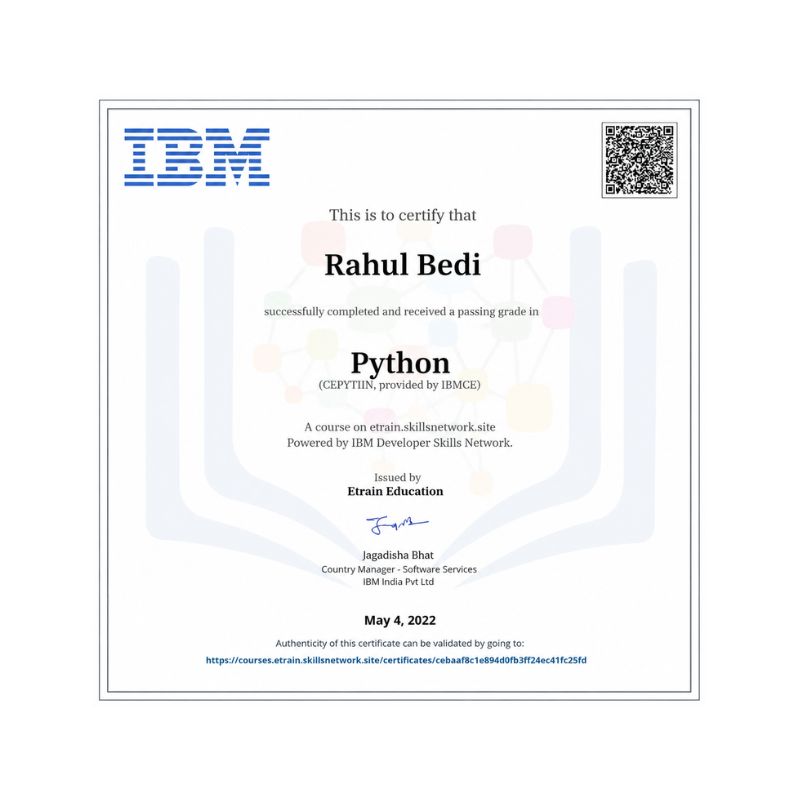
Certifications
Improve your abilities to get access to rewarding possibilities
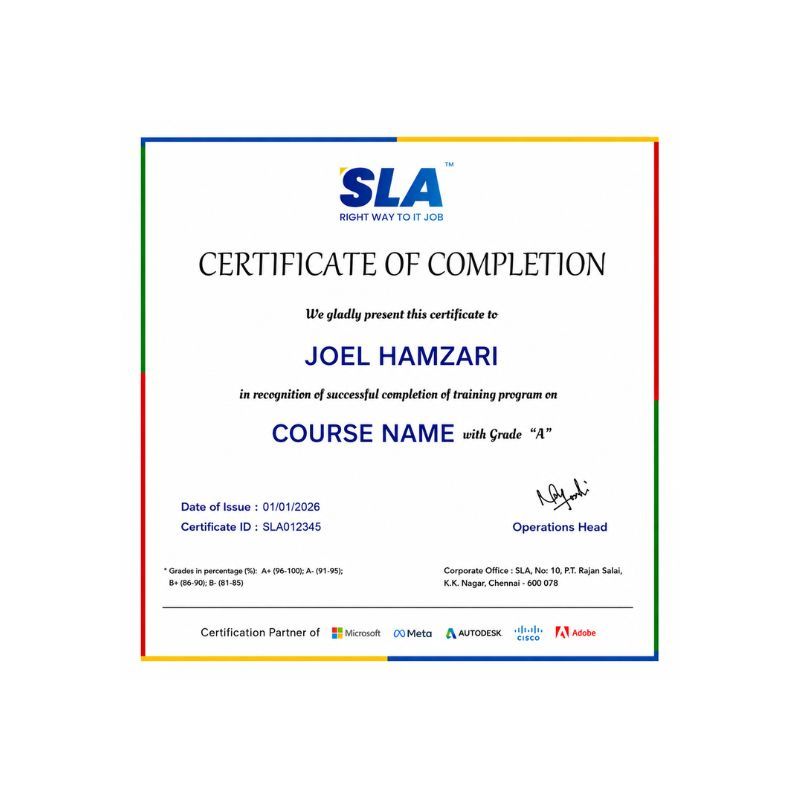
Earn Your Certificate of Completion
Take Your Career to the Next Level with Certifications
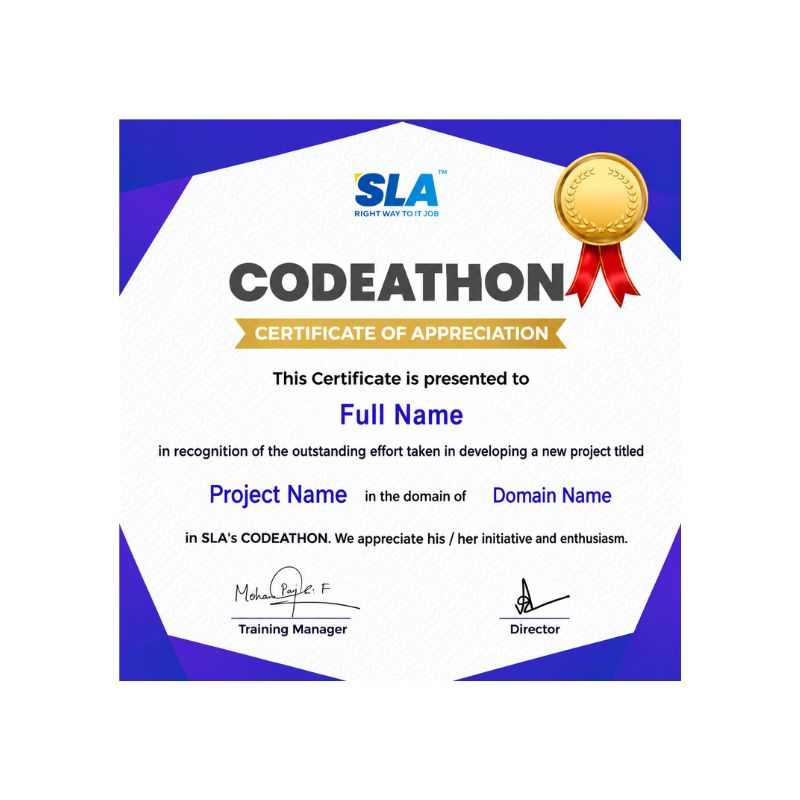
Stand Out from the Crowd with Codethon Certificate
Hands-on Project Practices in Spring Course
Ticket Booking System
Job Portal Application
Online Learning Platform
Real Estate Management System
Fitness Tracker App
Inventory Tracking System
Travel Booking Application
Event Management System
Social Media Platform
The SLA Way to Get Placed in Top IT Companies
Enrollment
Technology Training
Realtime Projects
Placement Training
Interview Skills
Panel Mock
Interview
Unlimited
Interviews
Interview
Feedback
100%
IT Career
Placement Support for a Spring Job
Genuine Placements. No Backdoor Jobs at Softlogic Systems.
Aptitude Training
from Day 1
Interview Skills
from Day 1
Softskills Training
from Day 1
Build Your Resume
Build your LinkedIn Profile
Build your GitHub
digital portfolio
Panel Mock Interview
Unlimited Interviews until you get placed
Life Long Placement Support at no cost
FAQs
Does SLA accept cash payments only?
No, SLA accepts all kinds of payments ranging from cash, cheques to all type digital UPI and card payments.
Does SLA have experienced trainers in its institutes?
Yes, SLA has a lot of well experienced trainers , who are qualified in both IT and teaching.
Does SLA address student issues?
SLA has its own HR personnel who will look into student issues.
How many branches does SLA have?
SLA has two branches in total so far, one in K.K. Nagar and another in Navalur, OMR.
What is the unique feature of SLA’s OMR branch?
SLA’s OMR branch is located amidst major IT hubs in OMR which gives students enormous opportunity in placements and internships.
What is dependency injection in Spring?
Dependency injection (DI) is a design pattern utilized in the Spring Framework to manage object dependencies. It involves injecting dependencies into a class rather than creating them within the class, promoting loose coupling and simplified testing.
What is Spring MVC and how does it function?
The Model represents data, the View handles presentation, and the Controller manages user requests and updates the Model accordingly. Incoming requests are routed to appropriate controllers by the DispatcherServlet, which then processes the requests and generates suitable responses.
How does transaction management work in Spring?
Spring facilitates declarative transaction management, where transactional behavior is specified using annotations or XML configuration. Through Aspect-Oriented Programming (AOP), Spring applies transactional behavior to methods annotated with @Transactional. Transactions are managed by transaction managers, which handle operations such as begin, commit, and rollback.
What are the advantages of using Spring Boot?
Spring Boot simplifies the development and deployment of Spring-based applications by offering several benefits:
- Auto-configuration: Spring Boot automatically configures the application based on dependencies and properties.
- Embedded servers: It provides embedded servers like Tomcat, Jetty, or Undertow, eliminating the need for external server deployment.
- Opinionated defaults: Spring Boot offers sensible defaults, reducing the need for manual configuration.
Explain how Spring Security works and what are its main features?
Spring Security intercepts requests and enforces security constraints based on developer-provided configurations, offering flexibility through various authentication mechanisms.
Additional Information for
the Spring Course
Current Trends in Spring
- Microservices Architecture: Spring Boot’s popularity in building microservices continued to rise due to its simplicity, quick development features, and ability to create lightweight, independent services.
- Reactive Programming: Spring WebFlux saw increased adoption for reactive programming, offering advantages like non-blocking I/O and improved scalability, particularly suited for fast and high-volume applications.
- Cloud-Native Development: Spring Cloud remained a top choice for constructing cloud-native systems, providing tools for implementing common distributed system patterns such as service discovery, configuration management, and circuit breaking.
- Serverless Computing: Integrating Spring with serverless platforms like AWS Lambda and Azure Functions became more common, aided by Spring Cloud Function and Spring Cloud Stream, which abstract away infrastructure concerns for developers, allowing them to focus on business logic.
- Kotlin Integration: Kotlin gained popularity as an alternative to Java for Spring development, with Spring’s support for Kotlin improving over time. Developers valued Kotlin’s concise syntax, safety features, and ability to work seamlessly with existing Java code.
- GraphQL Support: Spring Framework began embracing GraphQL, a query language for APIs, with tools like Spring GraphQL. GraphQL’s flexibility and efficiency in data fetching compared to traditional REST APIs made it appealing for modern app development.
- Reactive Security: With the rise of reactive architectures, there was an increased demand for reactive security solutions. Spring Security adapted to support reactive programming, enabling developers to secure reactive applications effectively.
These trends reflect Spring’s ongoing evolution to meet modern application development needs, including microservices, cloud-native architectures, reactive programming, and serverless computing.