
Softlogic Systems is No. 1 institute for Data Science training in Chennai for assured placements. Our Data Science Syllabus Covers Python programming, statistics, data wrangling, data visualization, machine learning, deep learning, and big data analytics. Our Data Science course in Chennai comes with placement support, flexible schedules, real-time projects, and certification to help you successfully launch your career. Our placement team connects you with top IT companies for a smooth career transition.
Datascience Training In Chennai
DURATION
4 to 8 Months
EMI
0% Interest
Mode
Live Online / Offline
Let's take the first step to becoming an expert in Data Science
100% Placement
Assurance
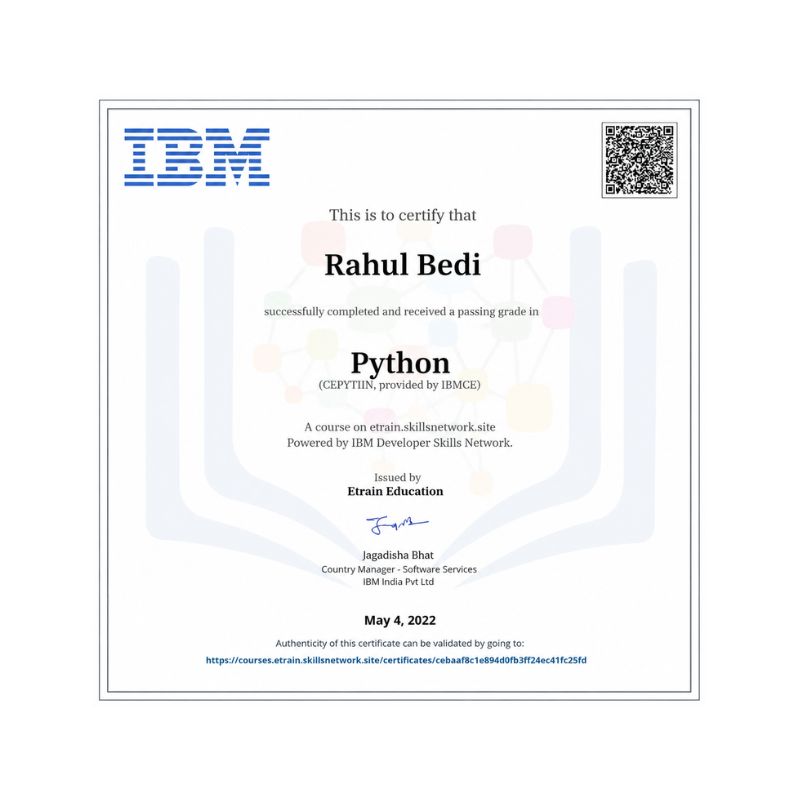
Get Certified
JOB PLACEMENT ELIGIBILITY TEST
Your Placement Eligibility Report
Want more details about Data Science Course?
Course Schedules
Course Syllabus
Course Fees
or any other questions...
Fees, Duration & Batch Timings for Data Science Course
Hands On Training
3-5 Real Time Projects
60-100 Practical Assignments
3+ Assessments / Mock Interviews
June 2026
Week days
(Mon-Fri)
Online/Offline
2 Hours Real Time Interactive Technical Training
1 Hour Aptitude
1 Hour Communication & Soft Skills
(Suitable for Fresh Jobseekers / Non IT to IT transition)
June 2026
Week ends
(Sat-Sun)
Online/Offline
4 Hours Real Time Interactive Technical Training
(Suitable for working IT Professionals)
Save up to 20% in your Course Fee on our Job Seeker Course Series
Syllabus of Data Science Course
Introduction
- Introduction to Data Analytics
- Introduction to Business Analytics
- Understanding Business Applications
- Data types and data Models
- Type of Business Analytics
- Evolution of Analytics
- Data Science Components
- Data Scientist Skillset
- Univariate Data Analysis
- Introduction to Sampling
Basic Operations in R Programming
- Introduction to R programming
- Types of Objects in R
- Naming standards in R
- Creating Objects in R
- Data Structure in R
- Matrix, Data Frame, String, Vectors
- Understanding Vectors & Data input in R
- Lists, Data Elements
- Creating Data Files using R
Data Handling in R Programming
- Basic Operations in R – Expressions, Constant Values, Arithmetic, Function Calls, Symbols
- Sub-setting Data
- Selecting (Keeping) Variables
- Excluding (Dropping) Variables
- Selecting Observations and Selection using Subset Function
- Merging Data
- Sorting Data
- Adding Rows
- Visualization using R
- Data Type Conversion
- Built-In Numeric Functions
- Built-In Character Functions
- User Built Functions
- Control Structures
- Loop Functions
Introduction to Statistics
- Basic Statistics
- Measure of central tendency
- Types of Distributions
- Anova
- F-Test
- Central Limit Theorem & applications
- Types of variables
- Relationships between variables
- Central Tendency
- Measures of Central Tendency
- Kurtosis
- Skewness
- Arithmetic Mean / Average
- Merits & Demerits of Arithmetic Mean
- Mode, Merits & Demerits of Mode
- Median, Merits & Demerits of Median
- Range
- Concept of Quantiles, Quartiles, percentile
- Standard Deviation
- Variance
- Calculate Variance
- Covariance
- Correlation
Introduction to Statistics – 2
- Hypothesis Testing
- Multiple Linear Regression
- Logistic Regression
- Market Basket Analysis
- Clustering (Hierarchical Clustering & K-means Clustering)
- Classification (Decision Trees)
- Time Series Analysis (Simple Moving Average, Exponential smoothing, ARIMA+)
Introduction to Probability
- Standard Normal Distribution
- Normal Distribution
- Geometric Distribution
- Poisson Distribution
- Binomial Distribution
- Parameters vs. Statistics
- Probability Mass Function
- Random Variable
- Conditional Probability and Independence
- Unions and Intersections
- Finding Probability of dataset
- Probability Terminology
- Probability Distributions
Data Visualization Techniques
- Bubble Chart
- Sparklines
- Waterfall chart
- Box Plot
- Line Charts
- Frequency Chart
- Bimodal & Multimodal Histograms
- Histograms
- Scatter Plot
- Pie Chart
- Bar Graph
- Line Graph
Introduction to Machine Learning
- Overview & Terminologies
- What is Machine Learning?
- Why Learn?
- When is Learning required?
- Data Mining
- Application Areas and Roles
- Types of Machine Learning
- Supervised Learning
- Unsupervised Learning
- Reinforcement learning
Machine Learning Concepts & Terminologies
Steps in developing a Machine Learning application
- Key tasks of Machine Learning
- Modelling Terminologies
- Learning a Class from Examples
- Probability and Inference
- PAC (Probably Approximately Correct) Learning
- Noise
- Noise and Model Complexity
- Triple Trade-Off
- Association Rules
- Association Measures
Regression Techniques
- Concept of Regression
- Best Fitting line
- Simple Linear Regression
- Building regression models using excel
- Coefficient of determination (R- Squared)
- Multiple Linear Regression
- Assumptions of Linear Regression
- Variable transformation
- Reading coefficients in MLR
- Multicollinearity
- VIF
- Methods of building Linear regression model in R
- Model validation techniques
- Cooks Distance
- Q-Q Plot
- Durbin- Watson Test
- Kolmogorov-Smirnof Test
- Homoskedasticity of error terms
- Logistic Regression
- Applications of logistic regression
- Concept of odds
- Concept of Odds Ratio
- Derivation of logistic regression equation
- Interpretation of logistic regression output
- Model building for logistic regression
- Model validations
- Confusion Matrix
- Concept of ROC/AOC Curve
- KS Test
Market Basket Analysis
- Applications of Market Basket Analysis
- What is association Rules
- Overview of Apriori algorithm
- Key terminologies in MBA
- Support
- Confidence
- Lift
- Model building for MBA
- Transforming sales data to suit MBA
- MBA Rule selection
- Ensemble modelling applications using MBA
Time Series Analysis (Forecasting)
- Model building using ARIMA, ARIMAX, SARIMAX
- Data De-trending & data differencing
- KPSS Test
- Dickey Fuller Test
- Concept of stationarity
- Model building using exponential smoothing
- Model building using simple moving average
- Time series analysis techniques
- Components of time series
- Prerequisites for time series analysis
- Concept of Time series data
- Applications of Forecasting
Decision Trees using R
- Understanding the Concept
- Internal decision nodes
- Terminal leaves.
- Tree induction: Construction of the tree
- Classification Trees
- Entropy
- Selecting Attribute
- Information Gain
- Partially learned tree
- Overfitting
- Causes for over fitting
- Overfitting Prevention (Pruning) Methods
- Reduced Error Pruning
- Decision trees – Advantages & Drawbacks
- Ensemble Models
K Means Clustering
- Parametric Methods Recap
- Clustering
- Direct Clustering Method
- Mixture densities
- Classes v/s Clusters
- Hierarchical Clustering
- Dendogram interpretation
- Non-Hierarchical Clustering
- K-Means
- Distance Metrics
- K-Means Algorithm
- K-Means Objective
- Color Quantization
- Vector Quantization
Tableau Analytics
- Tableau Introduction
- Data connection to Tableau
- Calculated fields, hierarchy, parameters, sets, groups in Tableau
- Various visualizations Techniques in Tableau
- Map based visualization using Tableau
- Reference Lines
- Adding Totals, sub totals, Captions
- Advanced Formatting Options
- Using Combined Field
- Show Filter & Use various filter options
- Data Sorting
- Create Combined Field
- Table Calculations
- Creating Tableau Dashboard
- Action Filters
- Creating Story using Tableau
Analytics using Tableau
- Clustering using Tableau
- Time series analysis using Tableau
- Simple Linear Regression using Tableau
R integration in Tableau
- Integrating R code with Tableau
- Creating statistical model with dynamic inputs
- Visualizing R output in Tableau
- Case Study 1- Real time project with Twitter Data Analytics
- Case Study 2- Real time project with Google Finance
- Case Study 3- Real time project with IMDB Website
Objectives of Data Science Training
The Data Science Training in Chennai will cover all the topics ranging from fundamental to advanced concepts, which will make it easy to grasp Data Science. The Data Science Course Curriculum is composed of some of the most useful and rare concepts that will surely give students a complete understanding of Data Science. So, some of those curriculum are discussed below:
- The syllabus begins with fundamental concepts such as – Data Science Components, Data Scientist Skill Set, Univariate Data Analysis, Introduction to Sampling, Types of Objects in R, Naming standards in R, Creating Objects in R etc.
- The syllabus then moves and explores Data Science a little bit more where students will learn concepts like- Geometric Distribution, Poisson Distribution, Bubble Chart, Sparklines, Data Mining, Application Areas and Roles etc.
- The syllabus then goes towards the advanced topics where students will learn about – Adding Totals, sub totals, Captions, Advanced Formatting Options, Clustering using Tableau, Time series analysis using Tableau, Simple Linear Regression using Tableau, Creating statistical model with dynamic inputs, Visualizing R output in Tableau etc.
Why Softlogic Systems is the Best Choice for Data Science Training – Learn, Practice, and Get Placed!
Online & Offline Training Options
Learn from 100+ Real-Time Developers
Hands-on Projects & Codeathons
0% EMI Fee Options
Resume & Interview Support
Placement with Top IT Firms
1000+ Hiring Partners
No Backdoor Jobs
Highlights of Data Science Course
What is Data Science?
Data Science is an interdisciplinary field utilizing scientific methods and algorithms to derive insights from structured and unstructured data. It integrates mathematics, statistics, computer science, and domain-specific knowledge to analyze data, discover patterns, predict outcomes, and guide decision-making across industries, encompassing stages from data collection to interpretation.
What is Data Science Full Stack?
Data Science Full Stack refers to expertise in both data science and data engineering, covering the complete lifecycle from data collection and preprocessing through modeling, deployment, and visualization. Professionals in this role manage end-to-end projects, delivering scalable solutions that combine advanced analytics with practical implementation for real-world use.
What are the reasons for learning Data Science?
The following are the reasons for learning Data Science:
- Rising Demand: Data Science skills are highly sought after across industries due to the abundant data availability and the need for extracting actionable insights.
- Diverse Career Paths: Learning Data Science opens doors to careers in healthcare, finance, e-commerce, marketing, and other sectors, with attractive salaries and job stability.
- Analytical Problem Solving: Data Science equips individuals with tools to tackle complex challenges and make informed decisions based on data insights.
- Drive Innovation and Efficiency: Businesses leverage Data Science to innovate products, optimize operations, and enhance efficiency through data-driven strategies.
What are the prerequisites for learning Data Science?
The following are the prerequisites for learning Data Science:
- Programming Skills: Proficiency in programming languages such as Python or R is crucial for tasks involving data manipulation, analysis, and modeling.
- Statistics and Mathematics: Understanding fundamental concepts in statistics (e.g., probability, hypothesis testing, regression) and mathematics (e.g., linear algebra, calculus) is essential for effective data analysis and modeling.
- Data Handling and SQL: Familiarity with techniques for data manipulation, data structures (like data frames), and SQL (Structured Query Language) for extracting and managing data from databases.
- Machine Learning Concepts: Basic knowledge of machine learning algorithms (e.g., supervised and unsupervised learning, feature engineering, model evaluation) to apply them to data for predictive modeling.
Our Data Science Online Course in Chennai is fit for:
- Students eager to excel in Data Science
- Professionals considering transitioning to Data Science careers
- IT professionals aspiring to enhance their Data Science skills
- Software Developers who are enthusiastic about expanding their expertise.
- Individuals seeking opportunities in the Data Science field.
What are the course fees and duration?
The Data Science course fees depend on the program level (basic, intermediate, or advanced) and the course format (online or in-person). On average, the Data Science course fees come in the range of 30,000 INR – 40,000 INR for 3 months, inclusive of international certification. For some of the most precise and up-to-date details on fees, duration, kindly contact our Best Data Science Training Institute in Chennai directly.
What are some job roles related to Data Science?
The following are the jobs related to Data Science:
- Data Scientist
- Data Analyst
- Machine Learning Engineer
- Business Intelligence (BI) Analyst
- Data Engineer
List a few real-time Data Science applications.
The following are the real-time Data Science applications:
- Predictive Modeling with Machine Learning
- Natural Language Processing (NLP) Application
- Image Recognition and Classification
- Recommendation Systems
- Time Series Forecasting
What is the salary for a Data Scientist?
The Data Scientist freshers salary typically with less than 2 years of experience earn approximately ₹9-10 lakhs annually. For mid-career Data Scientists with around 4 years of experience, the average annual salary is around ₹14.1 lakhs. An experienced Data Scientist with more than 7 years of experience can anticipate an average yearly salary of around ₹19.6 lakhs.
Boost Your Skills with Our Data Science Training Experts
Our Mentors are from Top Companies like:
- Experienced and driven Data Science trainers specializing in educating students at all proficiency levels in Data Science concepts.
- They demonstrate proficiency in programming languages such as R, Python, and Scala for data analysis, predictive modeling, and visualizations.
- They possess in-depth knowledge of machine learning algorithms including Linear Regression, Logistic Regression, Random Forests, Gradient Boosting, and clustering techniques.
- They excel in developing predictive models using regression and classification methodologies.
- They have hands-on experience with SQL, NoSQL, and big-data technologies for constructing robust data pipelines.
- They leverage tools like Tableau, Power BI, and Google Data Studio proficiently to create compelling visualizations for business presentations.
- They possess a keen understanding of real-world data analysis scenarios and the importance of high-level data interpretation.
- They inspire and guide students to apply Data Science techniques effectively in solving business challenges within the Data Science Training in Chennai.
- They are adept at teaching fundamental principles and industry trends, continually updating their knowledge of developments in the Data Science field.
- They are skilled in instructing students on using appropriate tools, both industry-standard and open-source, for various Data Science tasks, with a focus on designing and delivering hands-on projects and assignments.
- They are proficient in teaching fundamental concepts of statistics and mathematics through practical problem-solving approaches.
- They build strong, supportive relationships with students and effectively motivate them in complex tasks, assignments, resume building, and interview preparation.
What Modes of Training are available for Data Science Course?
Offline / Classroom Training
- Direct Interaction with the Trainer
- Clarify doubts then and there
- Airconditioned Premium Classrooms and Lab with all amenities
- Codeathon Practices
- Direct Aptitude Training
- Live Interview Skills Training
- Direct Panel Mock Interviews
- Campus Drives
- 100% Placement Support
Online Training
- No Recorded Sessions
- Live Virtual Interaction with the Trainer
- Clarify doubts then and there virtually
- Live Virtual Interview Skills Training
- Live Virtual Aptitude Training
- Online Panel Mock Interviews
- 100% Placement Support
Corporate Training
- Industry endorsed Skilled Faculties
- Flexible Pricing Options
- Customized Syllabus
- 12X6 Assistance and Support
Certifications
Improve your abilities to get access to rewarding possibilities
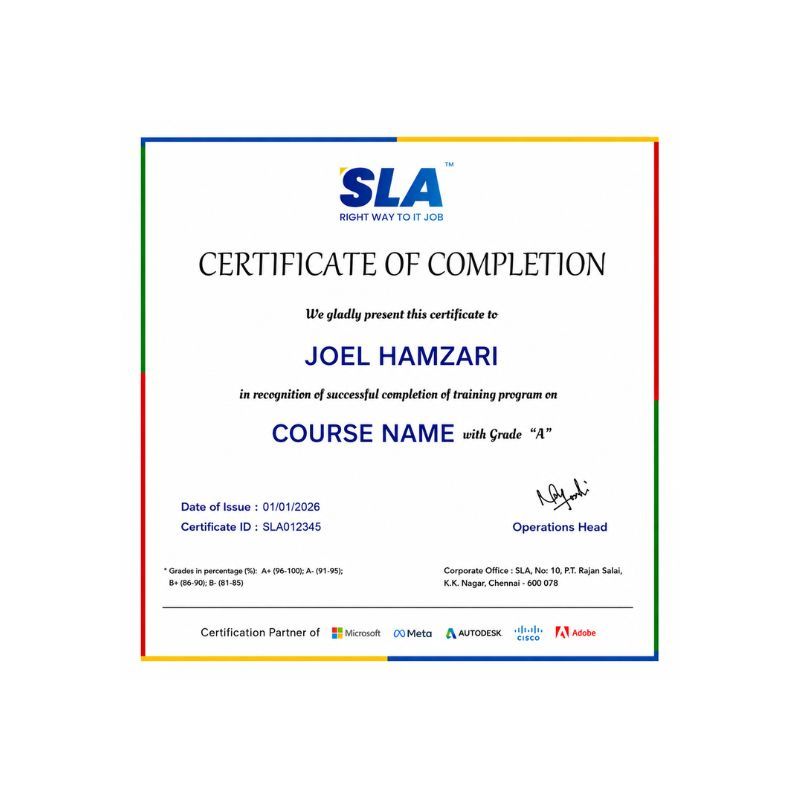
Earn Your Certificate of Completion
Take Your Career to the Next Level with Certifications
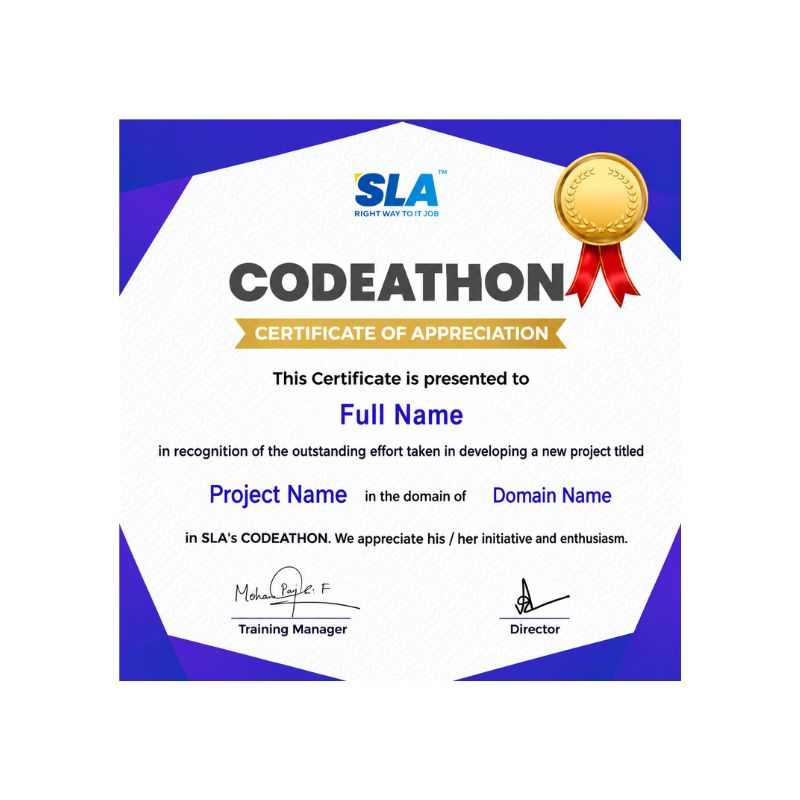
Stand Out from the Crowd with Codethon Certificate
Hands-on Project Practices in Data Science Course
Sales Forecasting with Predictive Modeling
Customer Churn Prediction
Social Media Sentiment Analysis
Deep Learning for Image Recognition
Market Basket Analysis
Healthcare Data Analytics
Financial Fraud Detection
Natural Language Generation (NLG)
Time Series Forecasting
The SLA Way to Get Placed in Top IT Companies
Enrollment
Technology Training
Realtime Projects
Placement Training
Interview Skills
Panel Mock
Interview
Unlimited
Interviews
Interview
Feedback
100%
IT Career
Placement Support for a Data Science Job
Genuine Placements. No Backdoor Jobs at Softlogic Systems.
Aptitude Training
from Day 1
Interview Skills
from Day 1
Softskills Training
from Day 1
Build Your Resume
Build your LinkedIn Profile
Build your GitHub
digital portfolio
Panel Mock Interview
Unlimited Interviews until you get placed
Life Long Placement Support at no cost
FAQs
What programming languages are essential for Data Science?
Proficiency in Python and R is essential for performing data manipulation, statistical analysis, and machine learning tasks in Data Science.
What are the key libraries and frameworks used in Data Science?
Important libraries include NumPy and Pandas for data manipulation, Scikit-learn and TensorFlow for machine learning, and Matplotlib and Seaborn for data visualization.
Could you explain the difference between supervised and unsupervised learning?
Supervised learning involves training models on labeled data to predict outcomes, whereas unsupervised learning discovers patterns in unlabeled data without predefined outcomes.
How do you handle incomplete data in a dataset?
Techniques for handling missing data include imputation (replacing missing values), deletion of missing data points, or using algorithms designed to handle missing values directly.
What is cross-validation and why is it crucial in machine learning?
Cross-validation is a technique to evaluate model performance by partitioning data into subsets, training on one subset, and validating on another to ensure robustness and generalizability.
Could you describe the concept of bias-variance tradeoff in machine learning models?
The bias-variance tradeoff balances a model’s ability to capture complex patterns (low bias) against its sensitivity to noise (variance), aiming to minimize prediction errors.
What are feature selection techniques and why are they important?
Feature selection involves choosing the most relevant variables from a dataset to improve model accuracy, reduce overfitting, and enhance interpretability of results.
How do you evaluate the performance of a classification model?
Performance metrics for classification models include accuracy, precision, recall, F1-score, and AUC-ROC, selected based on specific goals and requirements of the classification task.
How many branches does the Softlogic Systems have at the moment?
The Softlogic Systems has two branches currently – one is in K.K.Nagar and another is in OMR, Navalur.
Does Softlogic Systems have an EMI option?
Yes, Softlogic Systems has an EMI option available with 0% interest.
Additional Information for
the Data Science Course
Scopes available in the future for learning Data Science
The following are the scopes available in the future for learning the Data Science Course:
- Industry Demand: Data Science skills are increasingly sought after across sectors such as healthcare, finance, retail, marketing, and telecommunications, driven by the need to extract actionable insights from data.
- Career Pathways: Embracing Data Science opens pathways to various roles including Data Scientist, Data Analyst, Machine Learning Engineer, Business Analyst, and AI Specialist, all offering competitive salaries and avenues for career growth.
- Technological Advancements: Continuous advancements in AI, machine learning, and big data technologies are expanding the applications of Data Science, creating new roles and opportunities.
- Business Intelligence: Data-driven decision-making is pivotal for businesses to gain a competitive edge, fueling demand for professionals skilled in interpreting and analyzing complex data.
- Healthcare and Life Sciences: Data Science is transforming healthcare through applications like personalized medicine, disease prediction, drug discovery, and healthcare analytics.
- Finance and Banking: In finance, Data Science aids in risk management, fraud detection, algorithmic trading, and customer segmentation, enhancing operational efficiency and decision-making.
- E-commerce and Retail: Data Science drives personalized recommendations, demand forecasting, customer behavior analysis, and supply chain optimization in e-commerce and retail.
- Smart Cities and IoT: Data Science plays a crucial role in analyzing IoT data for smart city initiatives, improving infrastructure, transportation systems, energy management, and urban planning.
- Education and Research: Data Science enhances educational research by optimizing learning outcomes through adaptive learning platforms, educational analytics, and predicting student performance.
- Social Sciences and Policy Making: Data Science contributes to evidence-based policy-making, social sciences research, sentiment analysis, and public opinion studies using large-scale data analysis.